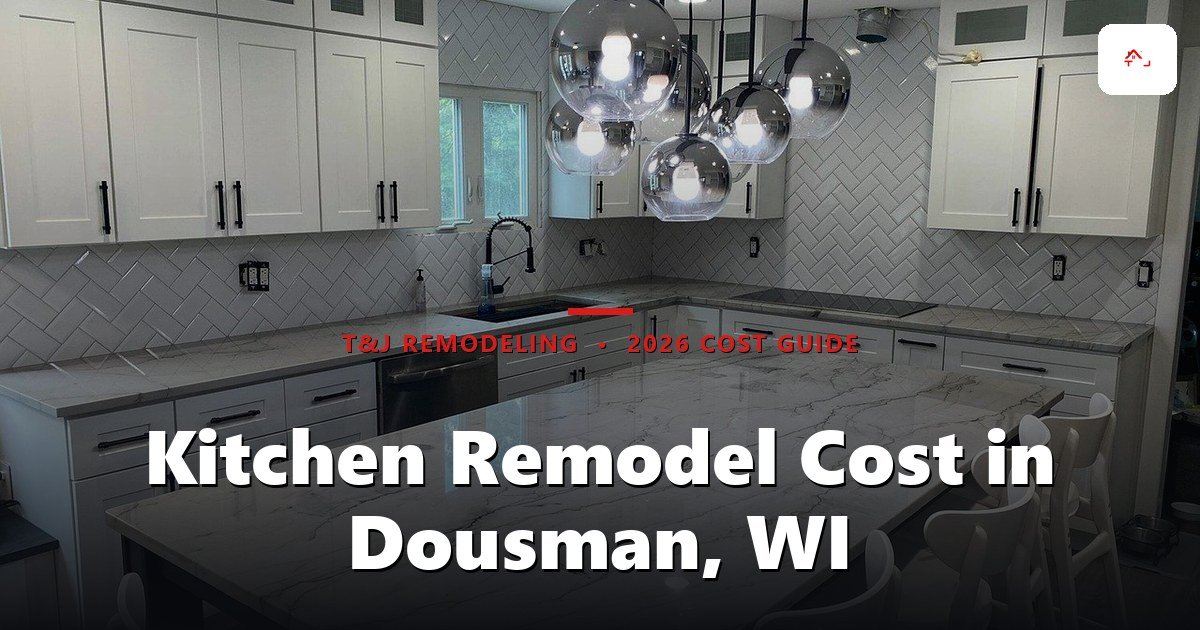
 Kitchen project - T&J
Typical Wisconsin kitchen remodels run $13,000 to $33,000 for a moderate project, with the average full remodel around $22,000. Once bids climb past that, the gap between them is usually explained by six specific line items. This guide shows you how to find them, so you can work out which bid is actually the cheapest rather than which number is smallest.
The Six Things That Explain Almost Every Gap
Work through these in order. In our experience they account for most of the distance between a low bid and a high one.
1. Cabinets, and which tier. This is the biggest single line in nearly every kitchen and the one most likely to differ. Stock, semi-custom and custom cabinets can differ by two or three times on the same layout. A bid that says "cabinets included" without naming a line, a door style and a construction type is not comparable to one that does.
2. Whether the layout moves. Keeping the sink, range and refrigerator where they are keeps plumbing, gas and electrical as connections. Moving any of them means new runs, and moving the sink or range is the expensive one. Some bidders will have quietly assumed the layout stays put.
3. Countertop material and square footage. Laminate to quartz to natural stone is a wide range, and fabricators charge for edge profiles, cutouts and seams that rarely appear in an early quote.
4. Electrical brought to current code. Older Waukesha County kitchens frequently lack the circuits a modern kitchen needs. One bidder may have priced bringing the kitchen up to code, another may have priced reusing what is there. That difference alone can be thousands.
5. What happens when the floor comes up. Nobody knows what is under old flooring or behind cabinets until demo. A careful bid names a per-unit allowance for subfloor repair. A cheap bid stays silent and raises a change order later.
6. Appliances, in or out. Sometimes they are in the number, sometimes they are your responsibility, and the bid does not always make it obvious.
A cheaper bid that omits code-required electrical and a subfloor allowance is not cheaper. It is the same project with two invoices, and the second one arrives when you have no leverage left.
How to Make Three Bids Actually Comparable
The problem is rarely that a contractor is dishonest. It is that you gave three people a paragraph and they each filled the gaps with their own assumptions. Close the gaps and the spread narrows on its own.
Send all three the same written scope and ask each to line-item it:
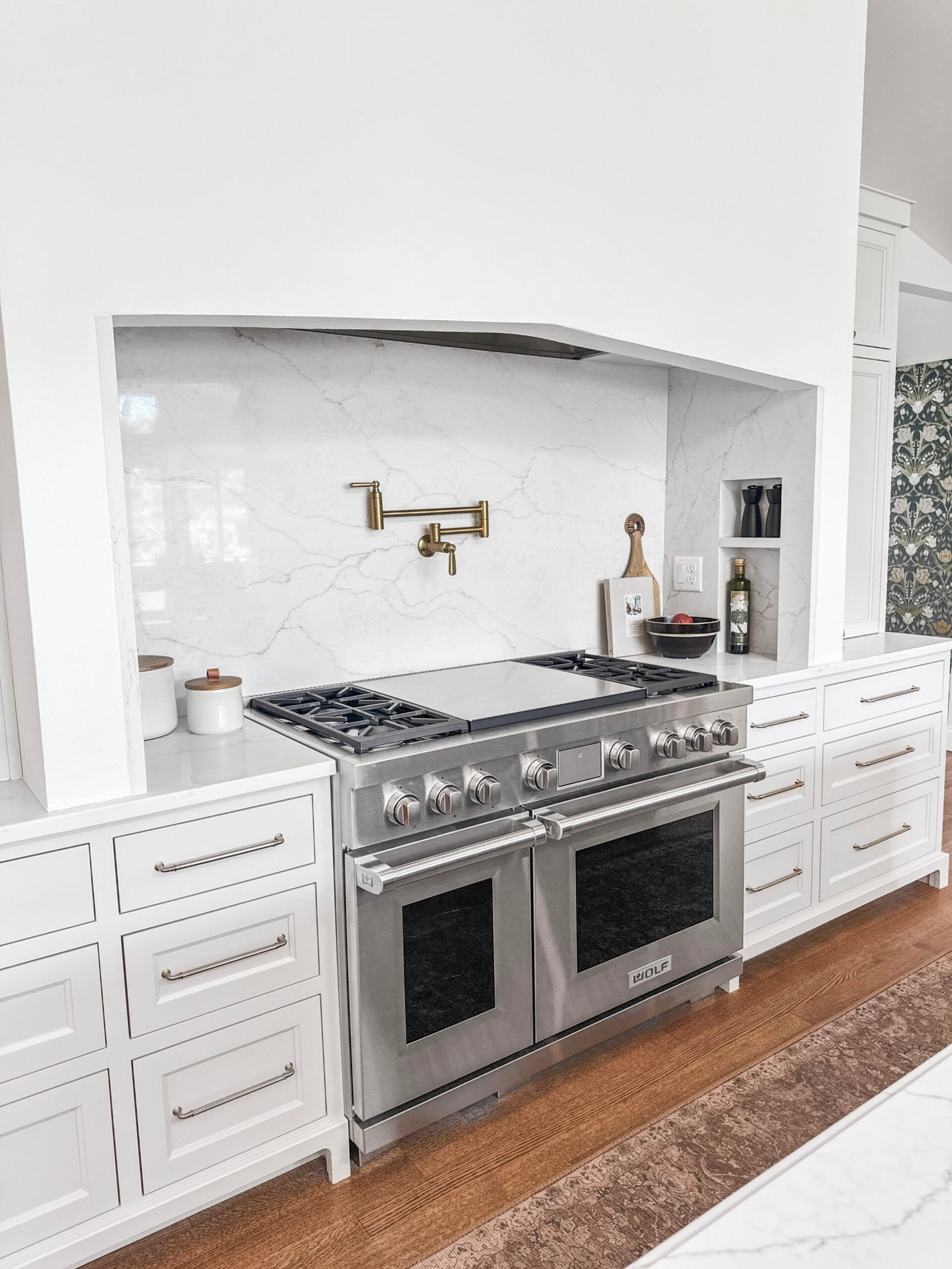
 Kitchen - T&J
Want this priced for your kitchen?
John walks your space, measures it, and leaves a written itemized estimate. No cost, no obligation, no sales script.
- Cabinets: manufacturer, line, door style, box construction, and whether soft-close is included
- Countertops: material, thickness, edge profile, and the square footage they measured
- Layout: explicitly, "sink stays / sink moves", for each of the three main fixtures
- Electrical: how many new circuits, and whether the panel has capacity
- Plumbing: new supply and drain runs, or reconnection only
- Flooring: material, and whether the old floor is being removed or covered
- Subfloor allowance: a dollar figure per sheet, not "if needed"
- Appliances: in the number, or excluded
- Permit: who pulls it and whether the fee is included
- Timeline: start date, working days, and what happens if it runs over
- Payment schedule: tied to inspected milestones, not calendar dates
- Contingency: a real percentage
Ask for it in writing, by email. A contractor who will not put a scope in writing before the contract will not be easier to pin down afterwards.
Questions to Ask Before You Sign
Which cabinet line, door style and box construction is in this number?
Does this price assume the sink, range and refrigerator stay where they are?
How many new electrical circuits, and does my panel have capacity?
What is your per-sheet price if you find rotted subfloor?
Are appliances in this bid?
Who pulls the permit, and is the fee included?
What contingency is built in, and what happens if we exceed it?
Is your crew employed by you or subcontracted?
What is the payment schedule, and is it tied to inspections?
What is your workmanship warranty, in years, in writing?
A contractor who answers all ten without hedging is worth more than one who is $2,000 cheaper.
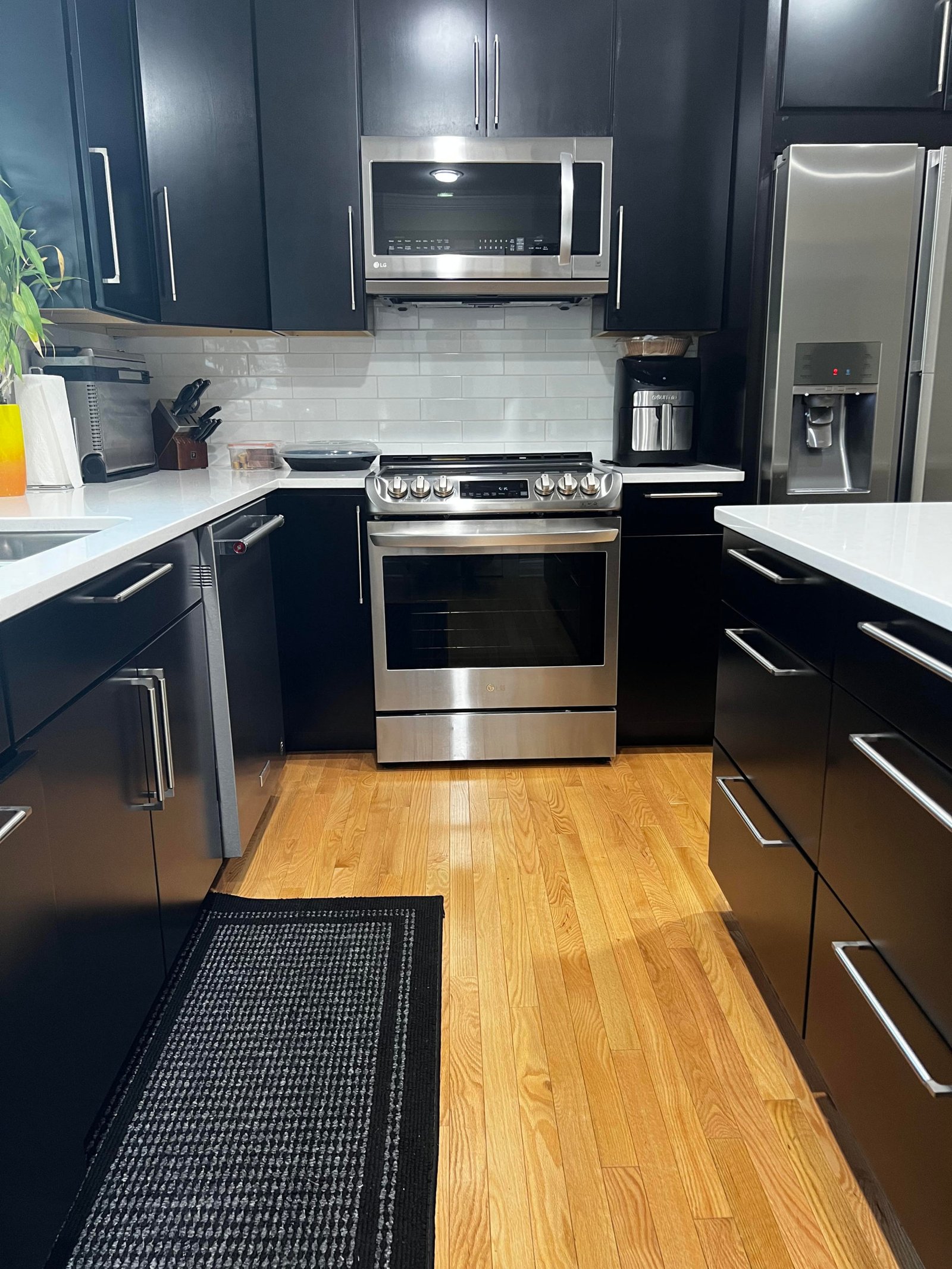
 Kitchen - T&J
Getting a Bid You Can Actually Compare
The most useful thing we do on a first visit is not give you a number. It is tell you what the other two bids are missing.
We measure, look at the panel, check what is under the flooring where we can, and give you a line-itemed scope you can hand to every other bidder so all three are pricing the same kitchen. If we are not the right fit, you still leave with a scope that makes the comparison fair.
Book a free in-home estimate and bring your other quotes. You can see our kitchen remodeling services or read how T&J Remodeling works with homeowners across Waukesha County, Brookfield, Pewaukee and Wauwatosa.
Frequently asked questions
Why are my three kitchen remodel quotes so different?
Because they are almost certainly pricing different projects. Six items explain most of the gap: cabinet tier, whether the layout moves, countertop material and measured square footage, electrical brought up to current code, an allowance for subfloor damage found at demo, and whether appliances are included. Send all three bidders one identical written scope and ask for line items. The spread usually narrows dramatically, and what remains is a genuine price difference you can judge on merit.
Should I always choose the middle quote?
No. That rule is popular because it feels safe, but it assumes all three bids cover the same work, which is the very thing that is usually untrue. Once you have matched the scopes, evaluate on what is included, whether the contractor carries insurance and a written workmanship warranty, whether payments are tied to inspected milestones, and how clearly they explain their number. A low bid from an efficient small contractor can be excellent. A low bid with no permit line and no contingency is not a bid, it is an opening position.
Is a $38,000 kitchen quote too low?
Not necessarily. Mid-range Wisconsin kitchen remodels commonly run $22,000 to $40,000 when the layout stays put, so $38,000 can be entirely legitimate. Check what it excludes rather than reacting to the number: cabinet tier, code electrical, subfloor allowance, permit and appliances. If those are all in it and the contractor is licensed, insured and gives you a written warranty, a $38,000 bid may simply be a well-run business with lower overhead than the $67,000 one.
What is the most expensive part of a kitchen remodel?
Cabinets, in nearly every project. They routinely account for the largest single share of the total, and the difference between stock, semi-custom and custom on the same layout can be two to three times. That is why "cabinets included" without a named manufacturer, line and door style makes a quote impossible to compare. The second largest swing is relocating the sink or range, which converts plumbing and electrical from reconnection work into new runs.
How do I stop change orders from blowing up my budget?
Insist on three things before signing. A named per-unit allowance for the surprises everyone knows are possible, particularly subfloor repair and electrical capacity. A written change-order process that requires your signature and a price before any extra work begins. And a contingency of 10 to 20 percent that you hold, so a genuine surprise does not become a financing emergency. Most budget overruns are not caused by dishonesty, they are caused by a scope that was never specific enough to hold anyone to.
Do I need a permit for a kitchen remodel in Wisconsin?
For cosmetic work like paint, hardware or a countertop swap, generally no. For anything that moves plumbing or adds electrical circuits, yes, and the work falls under Wisconsin's Uniform Dwelling Code. Most full kitchen remodels need at least an electrical permit, since a modern kitchen requires circuits older homes often lack. Your contractor should pull it, and a bidder who suggests skipping it is telling you something useful about how they handle the parts you cannot see.