 Addition project - T&J
What a 600 Sq Ft Master Suite Addition Costs in Wisconsin (2026 Numbers)
Cost Range: $120,000-$150,000 for a 600 sq ft master suite addition in Waukesha County (2026), or roughly $200-$250/sqft at the typical midpoint.
A master suite addition isn't a plain room addition, it concentrates the most expensive trades in the house (plumbing, tile, cabinetry, HVAC) into one space, which is why per-square-foot costs run higher than a bare addition shell. For a 600 sq ft suite in a suburban Waukesha County setting, picture a 1960s Brookfield ranch with a full basement and 2x4 framing, the believable midpoint is $200-$250/sqft.
You'll see Wisconsin "standard grade" home additions quoted at $82-$130 per square foot, averaging about $106. That figure is real, but it's the shell number: foundation, framing, roof, and weather-tight walls of an empty room. It does not include a bathroom, finished closet, HVAC extension, flooring, or trim. Treat $106/sqft as your floor, not your master suite price.
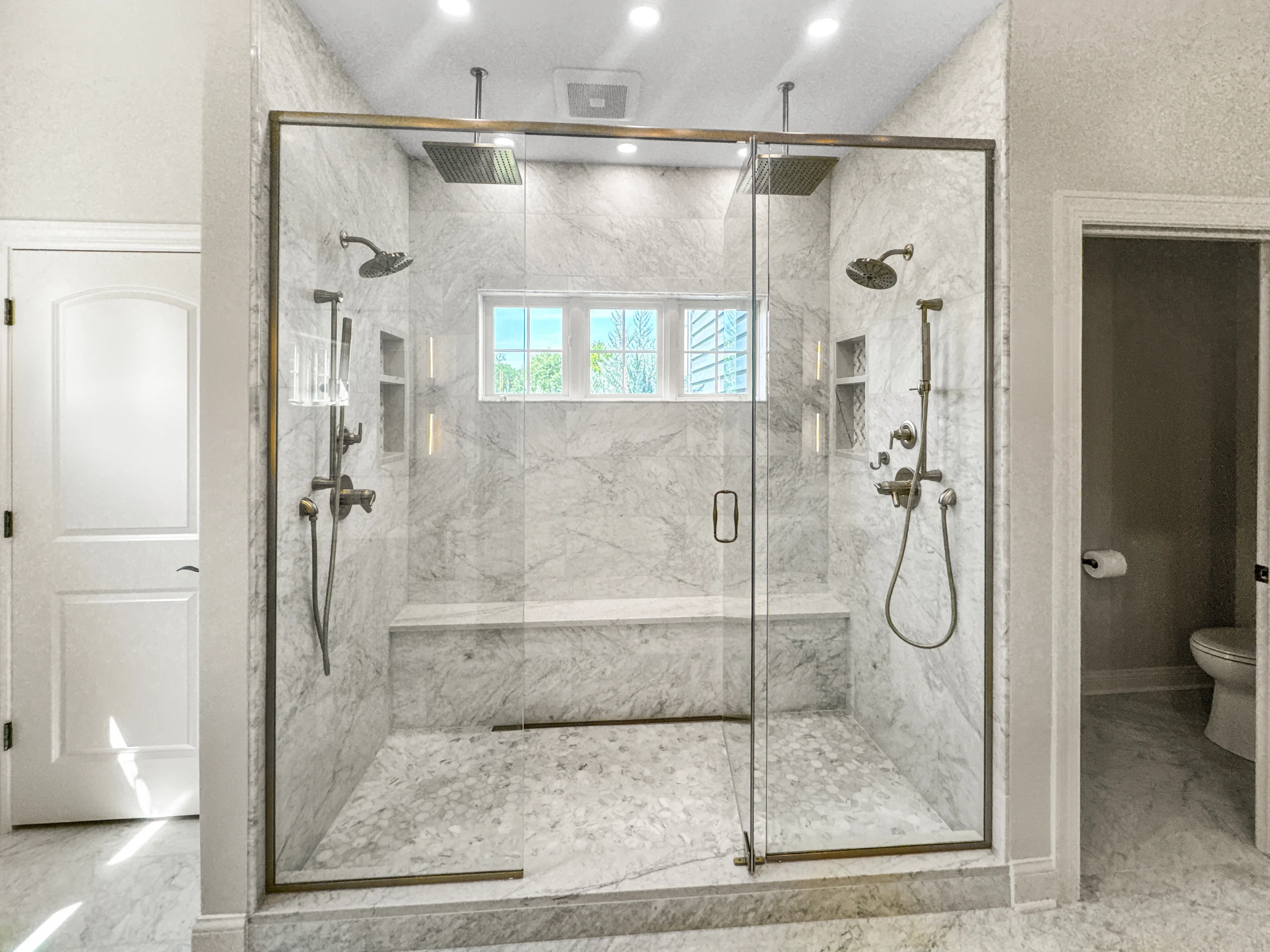
A master suite addition's bathroom alone can run $15,000-$50,000, the single most expensive component of the entire project.
The broader market puts master suite additions at $150-$350/sqft and $80,000-$200,000 total depending on size and finish. A 600 sq ft suite with custom finishes can push past $200,000. The biggest swing is structural, which is the next decision to settle.
Ground-Floor Extension vs. Second-Story Addition: The Cost Fork
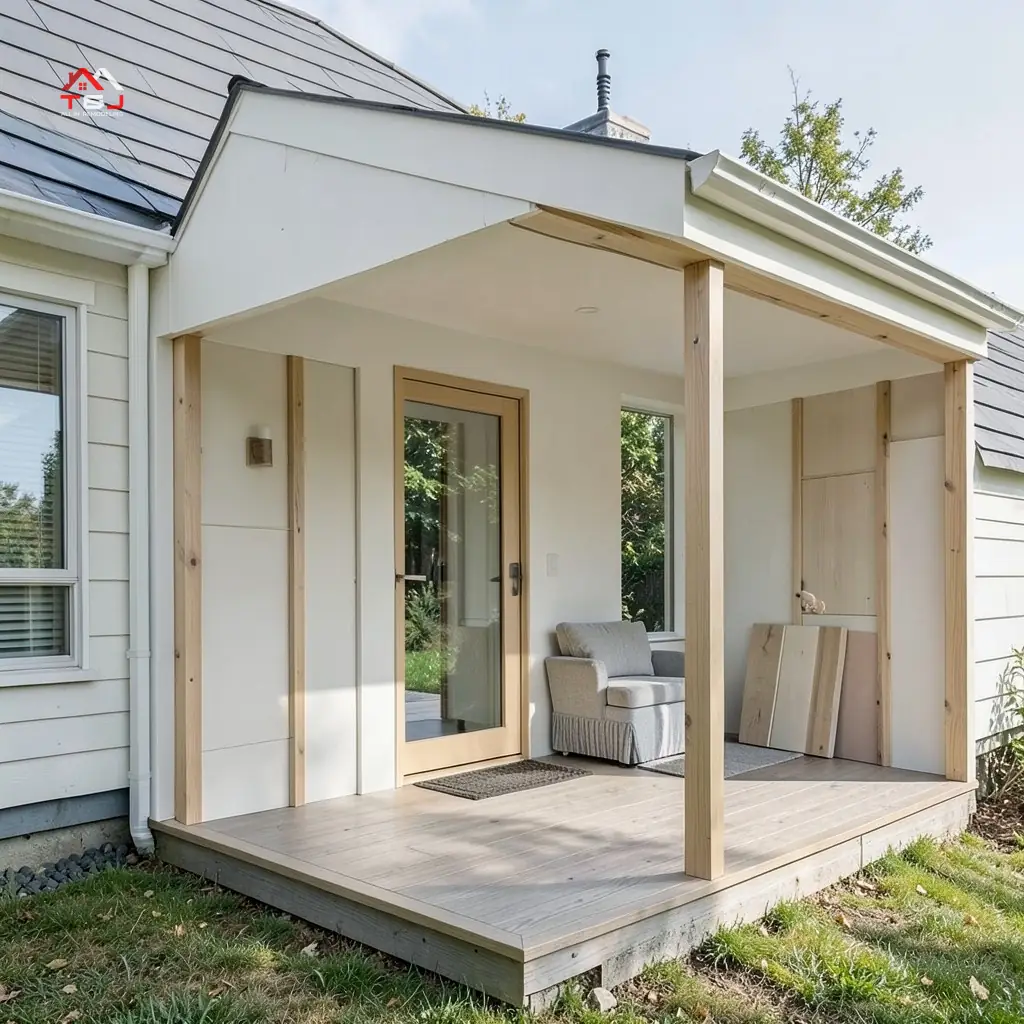
This is the single biggest variable in any addition quote, so settle it before you compare prices. A ground-floor extension (a new addition built out at grade on its own foundation) runs $200-$350/sqft. A second-story addition (new living space stacked over an existing footprint) runs $250-$450/sqft.
Ground-floor costs more in foundation work. Wisconsin requires footings below the frost line, typically 42-48 inches in Waukesha County, so you're paying for deep excavation, frost-depth footings, a new foundation wall, and a new roof section tied into the existing home. Low bids built on out-of-state estimates routinely underprice that frost-depth footing.
 Addition - T&J
Want this priced for your addition?
John walks your space, measures it, and leaves a written itemized estimate. No cost, no obligation, no sales script.
Second-story costs more in structure. There's no new foundation, but an engineer has to verify the existing walls and floor system can carry the new load, and older homes often need beam, wall, or footing upgrades before framing starts. Add temporary weatherproofing while the roof is open and the disruption of living in the home during construction, and the labor climbs.
Before you fall in love with a second story, ask a contractor to walk your basement and check the existing foundation and bearing walls. If those need reinforcement, the "cheaper, no new foundation" second story can flip to the more expensive option fast.
Which one fits your home? Available lot space and setbacks point you to ground-floor; a tight lot or a desire to preserve yard points you up. If you're still weighing the bigger picture, we cover whether an addition makes more sense than buying a larger home separately.
Component-by-Component Cost Breakdown
Here's where the money actually goes. The hard line-item data below comes from a 400 sq ft addition baseline; where we scale to 600 sq ft we say so, because honest scaling beats invented numbers.
Foundation and Framing
Framing runs $15-$30/sqft, which is $6,000-$12,000 on a 400 sq ft project and roughly $9,000-$18,000 scaled to 600 sq ft. Roofing runs $5-$10/sqft ($2,000-$4,000 at 400 sqft, roughly $3,000-$6,000 at 600). Siding runs $5-$15/sqft ($2,000-$6,000 at 400 sqft, roughly $3,000-$9,000 at 600). On a ground-floor build, add the frost-depth footing cost that out-of-state guides often skip.
Master Bathroom
The bathroom is the most expensive component, period, $15,000-$50,000 depending on finish tier. A basic bath runs $10,000-$20,000; a luxury spa bath with custom tile and a double vanity runs $30,000-$50,000. The hidden driver is plumbing distance from the existing stack: the farther the new bathroom sits from the main drain, the longer the pipe run and the more labor and slab work the rough-in takes. Plumbing for the addition itself runs $1,500-$5,000 before fixtures.
HVAC and Electrical
Extending ductwork to the addition runs $1,000-$3,000. If your existing furnace and A/C can't carry the extra load, a new HVAC unit runs $5,000-$15,000, a big swing worth confirming early. Electrical wiring runs $3-$5/sqft, about $1,200-$2,000 at 400 sqft and roughly $1,800-$3,000 scaled to 600 sq ft.
Walk-In Closet and Finishes
A standard 4-foot reach-in closet runs about $1,400-$1,540 in Wisconsin; a walk-in with built-in shelving and drawers runs meaningfully higher than that baseline. Flooring depends on material: hardwood $8-$15/sqft, tile $10-$25/sqft, carpet $3-$7/sqft. Painting and trim run $2,000-$6,000 on a 400 sq ft addition, or roughly $3,000-$9,000 scaled to 600 sq ft.
Permits and Design Fees
A Wisconsin building permit for an addition runs $1,000-$3,000. Design and architectural fees run 5-15% of total project cost, on a $150,000 project that's roughly $7,500-$22,500. The addition is governed by UDC SPS 321, Wisconsin's Uniform Dwelling Code chapter that sets minimum standards for new one- and two-family construction, including frost-depth footings, insulation values, egress, and fire separation.
What Moves Your Quote Up or Down
Use this as your bid-review checklist. When two quotes differ by $40,000, one of these is usually the reason, and you want to know which.
- Plumbing distance from the existing stack. Farther = more pipe, more labor, higher cost. Ask each contractor where they're tying in.
- Existing structural condition. An older Brookfield or Waukesha home may need wall, beam, or footing reinforcement before the addition can attach. Ask whether an engineer has reviewed the connection.
- Finish tier. Builder-grade vs. semi-custom vs. luxury swings the bathroom alone from $10,000 to $50,000. Make sure all bids assume the same tier.
- HVAC capacity. If the existing system is undersized, that's a $5,000-$15,000 add. Ask whether HVAC capacity is included or carried as an allowance.
- Lot constraints. Setbacks, grade changes, and tree removal add site cost. Ask what site prep is in the number.
- Season. Winter concrete pours in Wisconsin require frost protection, which can add time and cost November through March.
How to Read a Contractor Quote (and Spot What's Missing)
The "lowest bid wins" instinct is natural, you're spending six figures and you want to be smart about it. But here's the honest mechanic of how addition bids work: a low quote usually isn't dishonest, it's incomplete. The contractor strips scope to win the job, then recoups margin through change orders once the walls are open. The final cost catches up to the higher bid, but with more stress and less predictability.
A complete-scope quote shows these line items. If a bid doesn't, ask for them explicitly:
 Addition - T&J
Permit fees
, and who pulls the permit
Design / engineering fees
, especially for a second story
HVAC upgrade
, if the existing system is undersized
Egress window
, required for the sleeping room under UDC code
Site prep / excavation
, including frost-depth footing
Finish allowances
, flooring, tile, cabinetry, fixtures with dollar figures
Warranty and callback labor
, what's covered and for how long
A bid that's $30,000 under the others and doesn't itemize permits, HVAC, or design fees isn't a deal, it's a scope gap waiting to become a change order after demo starts, when you have the least leverage to negotiate.
This is also the honest answer to "why is your quote higher than the other guy's?" A complete quote includes permit pulling, change-order discipline, and warranty work that stripped-down bids leave off. With T&J, John handles every project's communication directly, so scope questions get answered before you sign, not discovered mid-project.
Wisconsin Permit Requirements for Home Additions
Every home addition in Wisconsin requires a building permit under UDC SPS 321, the Uniform Dwelling Code chapter that sets minimum structural, insulation, egress, and fire-separation standards. Permit costs run $1,000-$3,000 depending on municipality and project value. Expect inspections at four stages: footing/foundation, framing, rough mechanical, and final.
Because the addition includes a sleeping room, it needs a code-compliant egress window, an emergency exit window sized large enough to climb out of, required by code for any bedroom. On a ground-floor build, footings must reach below the frost line, typically 42-48 inches in the Waukesha County region.
UDC SPS 321 governs new one- and two-family additions statewide; you can review the chapter through the Wisconsin Department of Safety and Professional Services at dsps.wi.gov. Skipping permits creates liability at resale and can void homeowner's insurance claims. A credited Wisconsin contractor pulls the permits and schedules inspections, John is a credited contractor in the state of Wisconsin, so that paperwork is part of the job, not your homework. We handle it on every project across home additions in Waukesha County.
ROI: Does a Master Suite Addition Add Value in Wisconsin?
On average, homeowners recoup roughly 60% of a master suite addition's cost at resale, adding square footage tends to recover more than half the investment. So a $150,000 addition might add around $90,000 in appraised value: a real gain, not a dollar-for-dollar return. Appraisers value added square footage and bathroom count, but your neighborhood's price ceiling caps how far any single upgrade pushes a home's value. In Waukesha County's market, a master suite addition makes a home more competitive and faster to sell, but the honest reason most homeowners build one is quality of life. To run your own numbers, our home remodeling cost calculator is a quick starting point.
Timeline: How Long Does a Master Suite Addition Take in Wisconsin?
Most master suite additions take 3-6 months from start to finish. A ground-floor extension adds roughly 2-4 weeks for foundation work; a second-story addition adds 4-8 weeks for structural reinforcement and any staircase work. Concrete pours between November and March require frost protection, which can extend the schedule or add cost. Permit review timelines vary by municipality, Brookfield, Waukesha, and New Berlin each run their own review queues. As a planning data point, T&J's typical lead time to start after the consultation runs 4-8 weeks depending on season. The bathroom and HVAC rough-in phases are the most schedule-sensitive, because inspections must clear before walls close.
 Addition - T&J