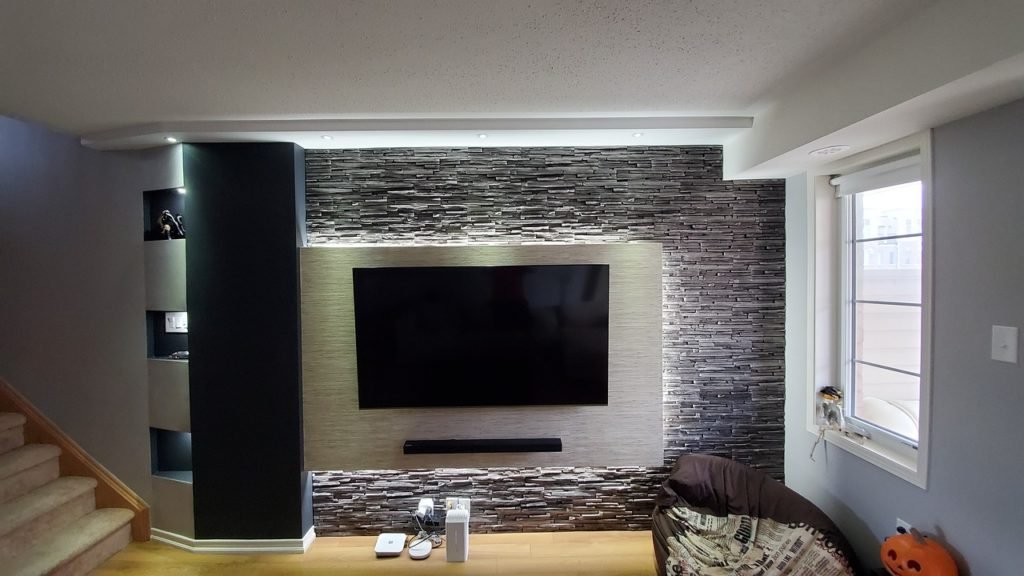
 Basement project - T&J
In Wisconsin, basement water usually arrives with spring snowmelt or a heavy summer storm, and how it got in decides how your claim is handled. This guide walks through the first steps in order.
Step 1: Make It Safe Before You Go Down
- Do not touch anything electrical while it is wet or while you are standing in water.
- Turn off the electricity if it is safe to do so. If reaching the panel means stepping into water, do not do it; call your electric utility or an electrician.
- Avoid wading in floodwater, which can be contaminated and hide debris.
- Wear heavy work gloves, protective clothing and boots for any cleanup.
- Run generators and gas pumps only outdoors, away from windows.
- If you smell gas, leave the house and call your gas utility from outside.
Step 2: Figure Out Where the Water Came From
This is the question your insurance company will ask first. Wisconsin's Office of the Commissioner of Insurance explains that water coming from the top down is generally covered by a standard homeowners policy, while water coming from the bottom up is not.
| Where the water came from | Examples | Standard homeowners policy |
|---|---|---|
| From above | A burst supply line, a failed water heater, a split washer hose | Generally covered |
| From below or outside | Water seeping through the foundation, overland flow from outside | Not covered |
| Sewer backup or sump pump overflow | Water coming up through a floor drain, a pump that failed or could not keep up | Not covered by homeowners or flood insurance without a special endorsement |
 Basement - T&J
Flood insurance through the National Flood Insurance Program generally has a 30-day waiting period from purchase before coverage starts, so it has to be in place well before the storm.
Look for the obvious signs while you are taking photos: a wet line running down a wall, water pooling around a floor drain, or a sump pit that is overflowing. Our guide to the signs of water damage in a Wisconsin basement covers what slower leaks look like.
Want this priced for your basement?
John walks your space, measures it, and leaves a written itemized estimate. No cost, no obligation, no sales script.
Step 3: Document Everything Before You Clean
Wisconsin's insurance regulator lists these steps after water damage:
Notify your insurance agent or company as soon as possible
to start a claim.
Take photos or video of the damage
before anything is moved or thrown out.
Make a detailed list of damaged or lost property.
Keep samples of materials
such as carpet, curtains and furniture fabric.
Take steps to reduce further damage
until permanent repairs can be done.
Do not begin permanent repairs
until your agent or insurance company approves them.
Keep receipts for anything you buy or rent during the emergency, such as fans, dehumidifiers or a pump, and note the date and time you made each call.
Step 4: Get It Dry Within 24 to 48 Hours
EPA advises drying water-damaged areas and items within 24 to 48 hours to prevent mold growth. That means removing standing water, getting wet belongings out of the basement, and running fans and dehumidifiers with the windows managed so you are not pulling in humid outdoor air.
Porous materials are the hard part. EPA notes that absorbent materials such as ceiling tiles and carpet may have to be thrown away if they become moldy. Wet carpet pad, the paper face of drywall and fiberglass insulation hold water out of sight, so a wall can look dry on the surface while staying wet inside.
If the water came from a sewer backup or other contaminated source, EPA says to call in a professional rather than clean it yourself. For any cleanup, EPA suggests an N-95 respirator, long gloves that reach the middle of the forearm, and goggles without ventilation holes.
When to Call a Professional
- The water was sewage or otherwise contaminated.
- There is a lot of water damage, or mold covers more than 10 square feet. EPA points to its professional remediation guidance for damage on that scale, and if you hire help, make sure the contractor has experience cleaning up mold.
- The basement is finished. Water behind drywall, under flooring and inside stud walls has to be found and dried, which usually means opening walls.
- You cannot get it dry in 48 hours. After that window, the risk of mold goes up.
See our water damage restoration services for what that work involves.
 Basement - T&J
Rebuilding a Finished Basement the Right Way
A flood is a chance to fix the reason it happened before new walls go back up. If water came through the foundation, the repair starts outside the finished space: grading, downspouts, drainage or waterproofing. Our guide to basement waterproofing cost in Wisconsin explains the options.
When it is time to rebuild, choose materials that can handle a basement, such as flooring that tolerates moisture. Wisconsin's Uniform Dwelling Code also prohibits a non-rigid sheet vapor retarder rated 0.1 perm or less, such as plastic sheeting, on a concrete or masonry wall that is below grade, or on an insulated stud wall built in front of one. If you are deciding whether to finish the space again at all, our article on whether finishing a basement is worth it in Wisconsin walks through the trade-offs, and our basement remodeling services page shows how we approach the work.
How to Lower the Odds Next Time
- Check your policy now. Ask your agent whether you have a sewer backup and sump overflow endorsement, since neither a homeowners nor a flood policy covers that damage without one.
- Decide on flood insurance before you need it. The 30-day wait means buying it after a forecast is usually too late.
- Test the sump pump before the spring thaw by pouring water into the pit and watching it cycle.
- Move water away from the foundation. Keep gutters clear and downspouts discharging well away from the house.
- Keep valuables off the floor. Store boxes and important papers on shelves or in sealed bins.
Getting Help With the Repair
Once the water is out and the insurance company has seen the damage, homeowners in Waukesha County can book a free in-home consultation, which can help you understand what needs to be opened up, dried and rebuilt.
T&J is a father-and-son team that has worked in Wisconsin since 1989. John is your single point of contact from the first call through the final walkthrough, Telli is on site running the work, and T&J gives a written 2-year warranty on its work.
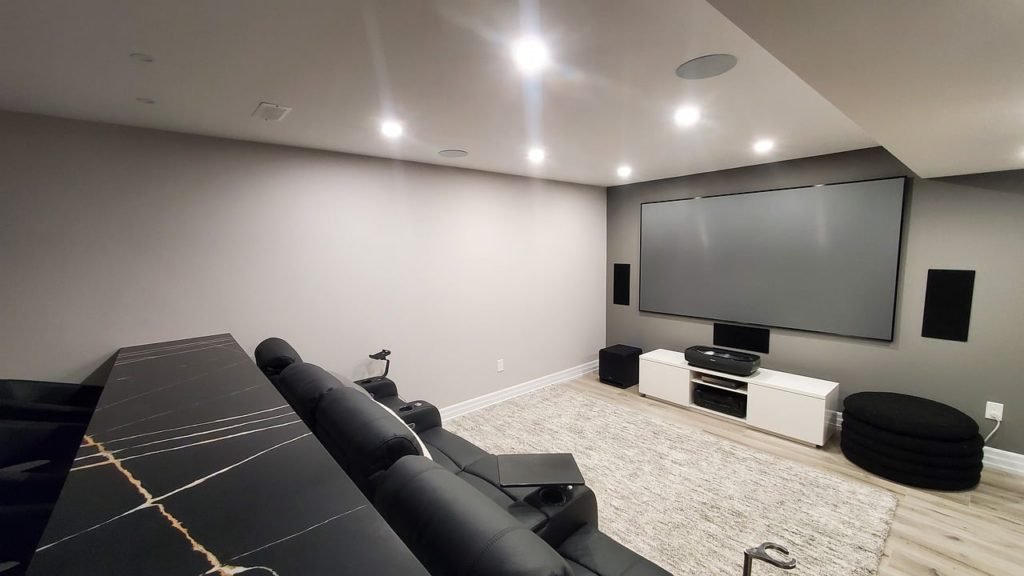 Basement - T&J
For a firm number on your own project, free in-home estimate.
Frequently asked questions
What should I do first when my basement floods?
Make it safe: do not touch anything electrical while it is wet or while you are standing in water, and turn off the power only if you can do so safely. Then take photos, call your insurer and start drying the space.
Does homeowners insurance cover a flooded basement in Wisconsin?
It depends on where the water came from. Water from the top down, such as a burst pipe, is generally covered; water coming up from below, seepage through the foundation and overland flow are not covered by a standard homeowners policy.
Is a sump pump failure covered by insurance?
Not by a standard homeowners policy or by flood insurance. Damage from sewer backup or sump pump overflow requires a special homeowners policy endorsement.
How fast do I need to dry a flooded basement?
EPA advises drying water-damaged areas and items within 24 to 48 hours to prevent mold growth.
Do I have to throw out wet carpet?
Not always, but EPA notes that absorbent materials such as carpet and ceiling tiles may have to be thrown away if they become moldy. Keep a sample of the carpet for your insurance claim before it goes.
Can I clean up a flooded basement myself?
Often, for small jobs. EPA says that if the moldy area is less than about 10 square feet, in most cases you can handle it yourself with the right protective gear. If the water came from a sewer backup, or there is a lot of water damage or more than 10 square feet of mold, EPA points to professional help.
Should I start repairs before the adjuster comes?
Take steps to prevent further damage, such as removing water and drying the space, but do not begin permanent repairs until your insurance agent or company approves them.