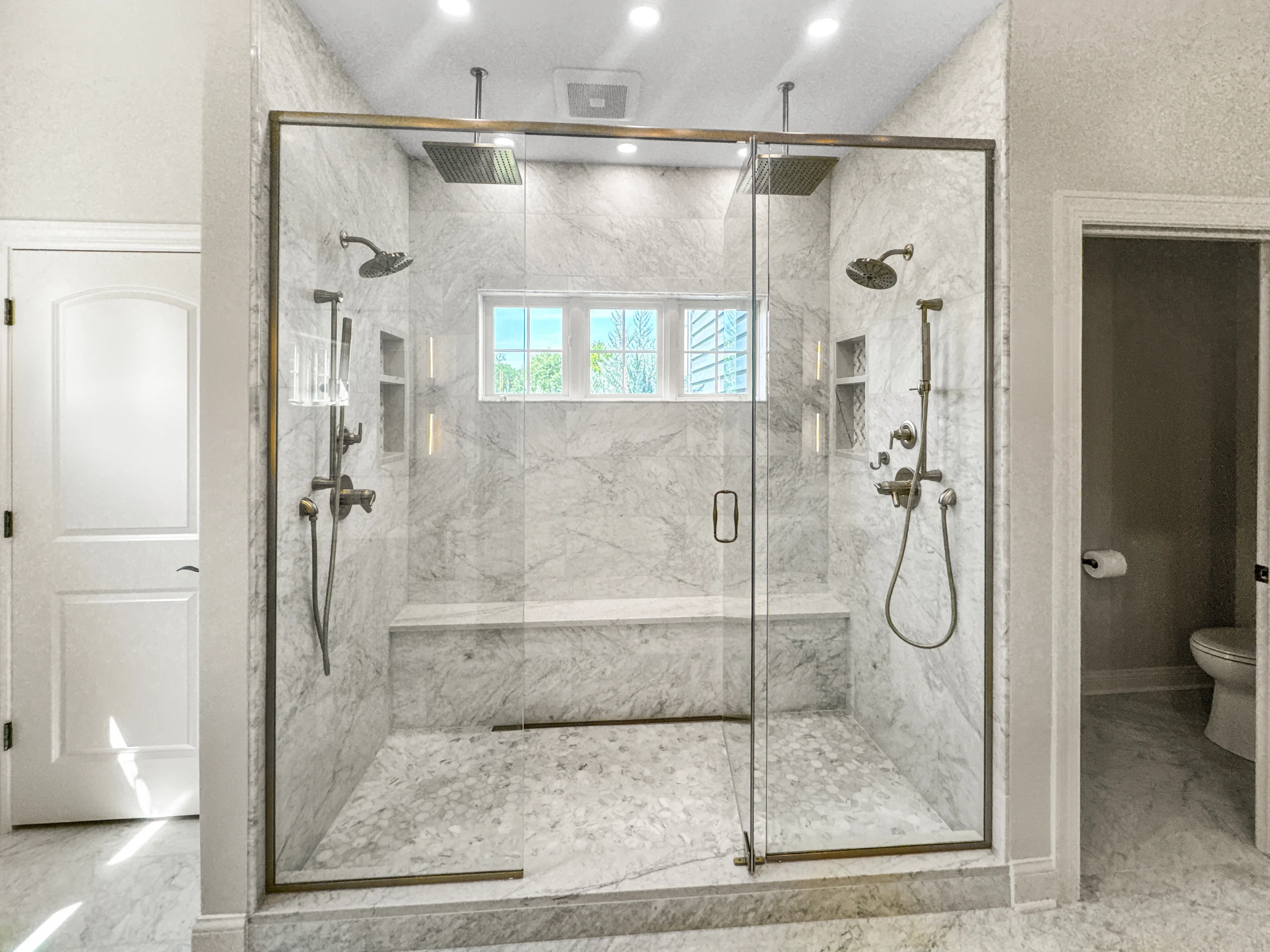
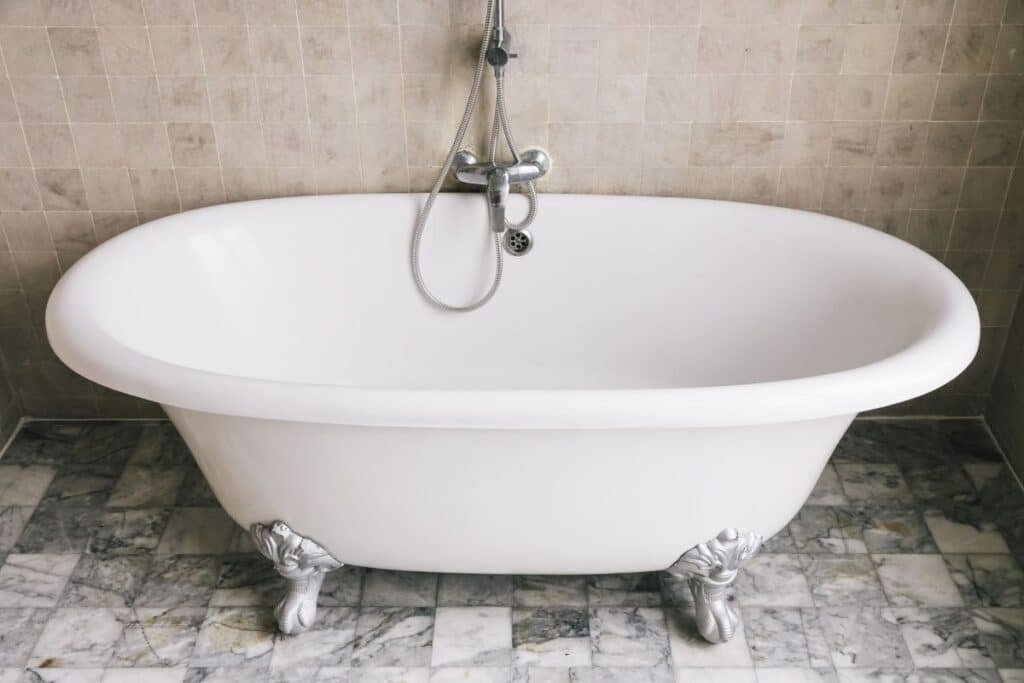
 Bathroom project - T&J
| Factor | Walk-In Shower | Soaking / Walk-In Tub |
|---|---|---|
| Installed cost | $450-$10,000+ | $400-$8,000 |
| Footprint | ~9 sq ft | ~13 sq ft |
| Water per use | 10-25 gallons, under 10 min | 35-80 gallons, plus 15-30 min fill/drain |
| Electrical | Standard 15-amp circuit | Dedicated 15-20 amp GFCI circuit for jetted models |
| Resale impact | Neutral to positive if a tub remains elsewhere | Protects resale if it's the only bathroom |
| Install complexity | Higher if curbless (subfloor, drain slope) | Lower if swapping into existing 60-inch alcove |
Cost Comparison: Walk-In Shower vs Soaking Tub Installed
A tub-shower combo installs for $400-$8,000, and a standalone shower runs $450-$10,000 or more depending on amenities like tile, glass, and fixtures. Neither number tells the whole story by itself. What pushes either option toward the top of its range is finish level, not the fixture type. A basic fiberglass tub-shower combo can cost less than a basic shower. A luxury curbless shower with frameless glass, on the other hand, can easily cost more than a simple soaking tub.
We saw this play out on a 1960s ranch in Waukesha a couple years back. The homeowners were replacing a worn tub-shower combo in their only full bath. They started out wanting a full curbless conversion with a rain head and glass wall, but once John walked them through the itemized quote, they scaled back to a shower pan with a half-glass panel and kept the cost near the lower end of the range. Same footprint, same room, very different number, just based on finish choices they made on the spot.
Tubs carry their own cost trigger that catches homeowners off guard. A jetted or hydrotherapy walk-in tub needs a dedicated 15-20 amp GFCI circuit (a grounded, shock-protected electrical line separate from your regular outlets), rather than the standard 15-amp circuit most bathrooms already share with a fan and a light. The National Electrical Code requires GFCI protection for bathroom receptacles and hydromassage tub equipment specifically because of the shock risk around standing water. That's a real line item most homeowners don't budget for until an electrician actually looks at the panel.
Standalone showers with premium finishes can run up to $10,000 or more, while a basic tub-shower combo starts around $400.
Curious what your bathroom's specific numbers might look like once you factor in your layout and finish level?
For a broader sense of where your project might land before you collect bids, our realistic bathroom remodel budget breakdown walks through what actually drives the number up or down room by room. If you're weighing a straight fixture swap instead of a full conversion, our tub-to-shower conversion cost guide covers that narrower scope in more detail.
Space and Layout: What Fits Your Bathroom
A standard tub footprint runs about 13 square feet, versus roughly 9 square feet for a standard shower. That 4-square-foot difference matters in the 5x7 and 5x8 bathrooms common in homes built across Waukesha, Milwaukee, and Ozaukee counties from the 1950s through the 1970s, where a vanity, a door swing, and often a linen closet already claim most of the floor.
On a Brookfield remodel we finished not long ago, pulling the original tub-shower combo out of a cramped 5x7 hall bath opened up a walk-in shower as wide as 5 feet. The homeowner told us the room felt almost twice as big once the tub deck was gone, even though the actual square footage hadn't changed an inch. That's the practical payoff of reclaiming that 4 square feet: more elbow room without touching a load-bearing wall.
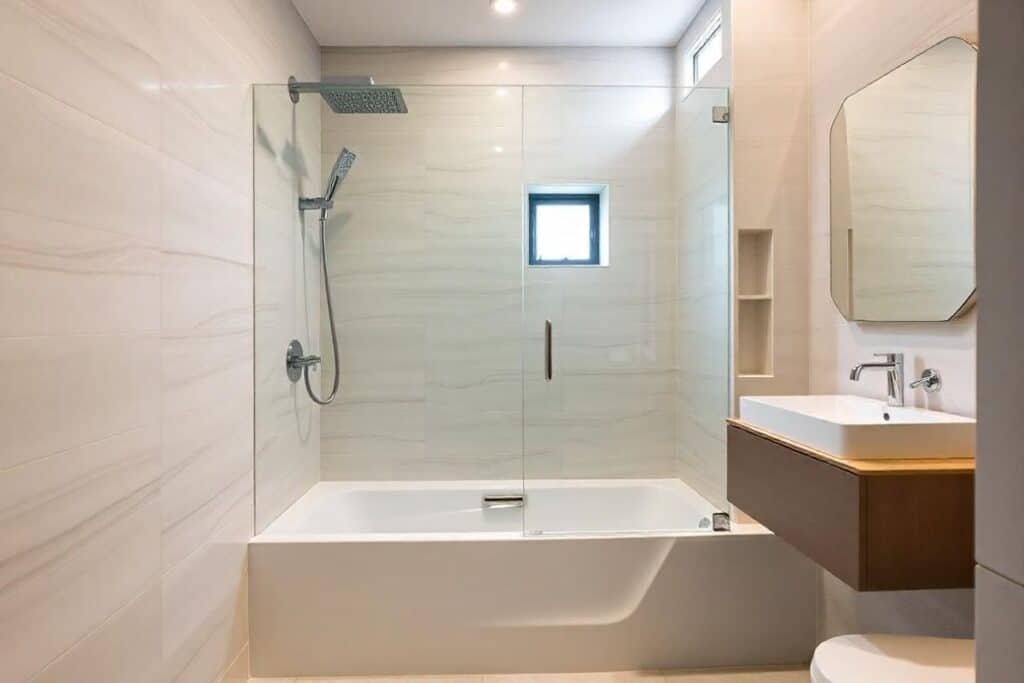 Bathroom - T&J
Want this priced for your bathroom?
John walks your space, measures it, and leaves a written itemized estimate. No cost, no obligation, no sales script.
Walk-in tubs are actually the easier structural swap. Most are built to fit the standard 60-inch alcove, the same footprint your existing tub already occupies. That means replacing tub-for-tub usually doesn't require reframing the wall or touching the subfloor. Converting that same alcove to a curbless shower is a bigger question. The subfloor needs rework so the drain slopes correctly without a curb to contain water. That's why a curbless conversion typically adds a few extra days to the install timeline compared to a tub-for-tub swap, even when the fixture itself costs less.
If a bid doesn't mention subfloor or drain-slope work for a curbless conversion, ask about it directly. Skipping that step is how homeowners end up with water pooling at the shower entrance within the first year.
If you're not sure how your specific layout scales, our sizing guide for a 5x7 bathroom remodel gives cost context based on square footage rather than fixture type alone.
Water Use and Daily Practicality
Showers use 10-25 gallons per session in under 10 minutes, while a full bath uses 35-50 gallons or more per fill. Larger walk-in tubs specifically hold 40-80 gallons. That upper end matters in Wisconsin, where most homes run a standard 40-50 gallon water heater.
Quick comparison, per session:
- Shower: 10-25 gallons, under 10 minutes - Standard bath: 35-50+ gallons - Walk-in tub: 40-80 gallons, plus 15-30 extra minutes to fill and drain before it's safe to get in or out A single walk-in tub fill can come close to draining your entire hot water supply before anyone else in the house gets a shower. The EPA's WaterSense program notes that showers account for nearly 20% of indoor household water use nationally, and that share climbs fast once a jetted tub enters the mix.
There's a time cost too. Walk-in tubs add 15-30 minutes per session just for filling and draining, on top of the actual bathing time, because the water needs to reach a safe level before you step in and drain back down before you step out. That's a real factor for a family sharing one morning bathroom on a school-day schedule in a Menomonee Falls or New Berlin subdivision.
A retired couple with time to soak in the evening has a very different water and time budget than a family rushing out the door. The shower wins on speed and water use almost every time. The tub wins on the relaxation experience it's built for, and that's really the whole tradeoff in one sentence.
Resale Value: Should You Keep at Least One Tub?
Yes, if it's your only bathroom, keep the tub. Home resale experts generally recommend having at least one tub in the house to protect resale value, because buyers with young kids often search specifically for a bathtub and will pass on a home that doesn't have one. Buyer preference research from the National Association of Home Builders backs this up too, showing bathtub presence remains a common filter in family-oriented markets like much of Waukesha and Milwaukee counties.
If your home has two or more full bathrooms, this concern mostly disappears. Convert one bathroom to a walk-in shower for daily use and keep a tub in the other. That gives you the upgrade you actually want to live with, plus the buyer safety net if you sell down the road. Single-bathroom homes, especially smaller ranches and starter homes common in Sussex, New Berlin, and older Waukesha neighborhoods, should think twice before going shower-only.
Aging in Place: Accessibility Matters Too
For a lot of Waukesha County homeowners, this decision isn't about resale or water bills at all. It's about staying in the house long-term. A curbless shower entry (no raised threshold to step over) paired with grab bars and a fold-down bench is one of the most common aging-in-place upgrades we install, because it removes the single biggest fall risk in most bathrooms: stepping over a tub wall with wet feet.
Low-threshold walk-in tubs solve a different problem. They give someone with limited mobility a door-entry tub instead of a step-over wall, but that added safety comes with the 15-30 minute fill-and-drain wait mentioned above. That matters if the household includes a caregiver working on a schedule. For most aging-in-place plans we see across Brookfield, Waukesha, and New Berlin, a curbless shower with a bench and grab bars covers the daily need more practically than a walk-in tub. Still, the right answer depends on the specific mobility concern, not a general rule.
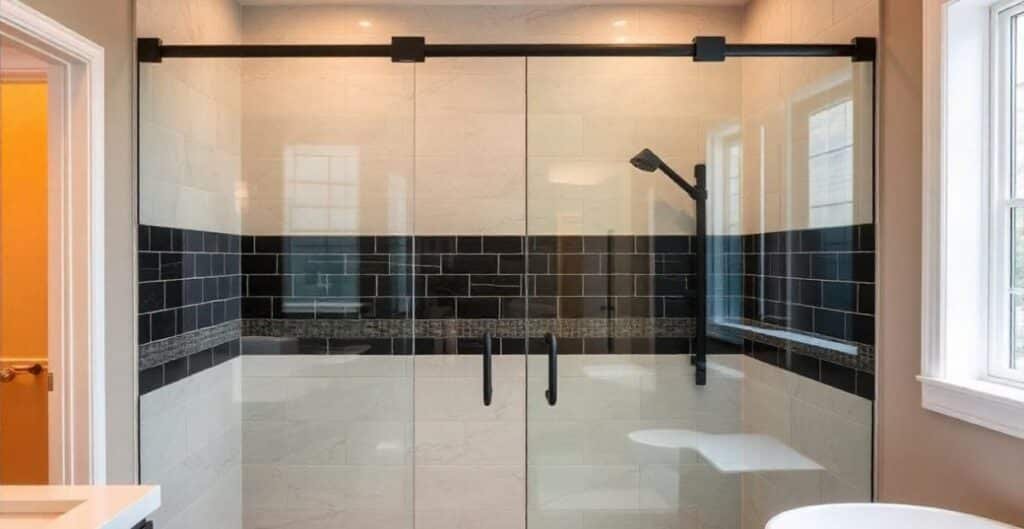 Bathroom - T&J
What a Complete Quote Includes (and What Cheap Bids Skip)
A complete bathroom remodel quote, tub or shower, covers demo and disposal, a subfloor and moisture check, correct drain slope work for curbless designs, a real waterproofing membrane (not just tile mastic troweled under the tile), GFCI electrical work if you're installing a walk-in tub, permit pulling for plumbing and electrical, glass or door installation, and a final walkthrough with warranty documentation. When a bid is missing several of these, it usually isn't a better price. It's a smaller scope wearing the same total price tag.
Here's why that gap costs more later instead of saving you money now. Skip the waterproofing membrane and you might not see a problem for a year, until moisture works into the subfloor and you're looking at mold remediation instead of a simple retile. That risk runs higher in Wisconsin's humid summers and freeze-thaw winters than in drier climates. Skip the plumbing permit and you've got no inspection record if you ever sell the house, and no recourse if the work fails. Wisconsin's Department of Safety and Professional Services generally requires a permit for bathroom plumbing work that involves moving or adding fixtures. Our plumbing permit guide breaks down exactly when that applies to your project.
Walk-in tubs with hydrotherapy jets need their own dedicated 15-20 amp GFCI circuit, separate from the shared 15-amp circuit most bathrooms already run, per NEC Article 680 requirements for hydromassage equipment. If a quote doesn't itemize this, ask whether it's included or coming later as a change order.
So when a homeowner asks why our quote is higher than another bid, the honest answer is usually scope, not markup. We had a Waukesha couple last year who came to us after getting a bid nearly half our number for the same shower conversion. When we walked through it line by line, that bid had no line item for a waterproofing membrane and no mention of who was pulling the plumbing permit. Once we added those back in on paper, the gap between the two quotes nearly closed. Our quotes include the project management and change-order discipline that a stripped-down bid leaves off. John runs communication personally on every project we take on, so nothing gets missed between the demo crew, the electrician, and the tile setter. That kind of coordination doesn't show up as a line item, but it's the reason a job finishes on schedule instead of stalling out waiting on a permit nobody pulled.
Questions to Ask Every Contractor Before You Sign
If you're comparing quotes right now, ask every bidder these same six questions and compare the answers side by side, not just the bottom-line number:
Does the quote include the plumbing permit, and who's pulling it?
If the answer is vague, that's scope missing from the number.
What waterproofing method are you using under the tile?
A membrane system costs more than mastic, and it's the difference between a bathroom that lasts and one that doesn't.
Is the GFCI circuit for a walk-in tub included, or is that an add-on later?
This alone can shift a quote once the electrician gets involved.
What's the warranty on labor versus materials?
Manufacturers warranty their fixtures. Not every contractor warranties their own installation work the same way.
Is the quote itemized, or one lump number?
An itemized quote lets you see what you're paying for and where two bids actually differ.
How do you handle change orders if something's found once demo starts?
Old houses hide surprises behind walls. The good contractors already have a process for it.
If a bid can't answer these clearly on the spot, it's probably missing scope, not saving you money. A contractor who's done this for decades has these answers memorized, not looked up.
Getting the Right Fit for Your Bathroom
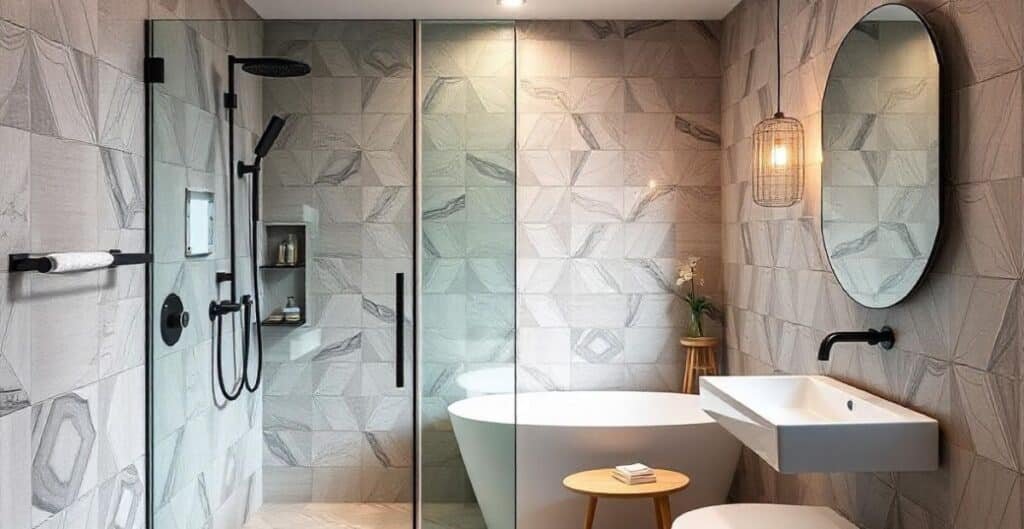
The right choice depends on how many bathrooms you have, how many people share them, and how you actually bathe, not which option is trending on Pinterest. Spa-style curbless showers are the strongest bathroom trend we're seeing across Waukesha County in 2026, but that doesn't mean every household should give up their only tub to chase it.
We'll walk your specific bathroom, talk through your household's daily routine, and give you an itemized quote before you commit to anything. Learn more about our remodeling services in Waukesha County, or run your numbers first through our bathroom remodeling cost calculator. When you're ready to talk specifics, call us at (262) 352-9525 or book a free Waukesha County consultation and we'll walk the space with you in person. T&J Remodeling has handled this exact decision on bathrooms across Brookfield, Waukesha, Sussex, and the surrounding area, and there's no cost or obligation to find out what your project actually needs.
 Bathroom - T&J
For more on this kind of project, see our bathroom remodeling services.
Frequently asked questions
Is a walk-in shower cheaper than a soaking tub in Wisconsin?
Generally yes for installation cost. Showers run toward the lower-to-mid end of typical remodel pricing, while tubs, especially walk-in or jetted models, run toward the mid-to-high end because they need a dedicated electrical circuit and more plumbing capacity. The real cost driver isn't tub-versus-shower though, it's finish level. A basic shower can cost less than a basic tub, but a luxury curbless shower with frameless glass can cost more than a simple soaking tub, because labor and waterproofing scope scale with complexity, not with which fixture you pick.
Should I remove my only bathtub for a walk-in shower?
Think carefully before you do. If it's the only full bathroom in the house, resale guidance generally recommends keeping at least one tub, because buyers with young kids often search specifically for one. If you have two or more bathrooms, converting one to a shower and keeping a tub elsewhere gets you the daily-use upgrade without the resale risk. A tub can double as a shower with a curtain, but a shower can't function as a bath, so removing your only tub permanently narrows what the space can do.
Do walk-in tubs need special electrical work?
Yes. Models with hydrotherapy jets need a dedicated 15-20 amp GFCI circuit, more than the standard shared 15-amp circuit most bathrooms already have, per National Electrical Code requirements for hydromassage bathtub equipment. That means an electrician has to run new wiring, which adds cost and often requires its own permit. It's one of the most commonly missed line items in a low bid, because a contractor who doesn't plan for it upfront either skips it (a code violation) or adds it later as a surprise change order.
How much water does a soaking tub use compared to a shower?
A shower typically uses 10-25 gallons for a sub-10-minute session, while a full bath uses 35-50 gallons or more, and larger walk-in tubs can hold 40-80 gallons, which can exceed what a standard 40-50 gallon water heater supplies in one fill. The practical impact matters more than the math: if multiple people are showering back-to-back on a morning schedule, a tub-heavy bathroom plan can strain your hot water recovery time, not just your water bill.
Can a walk-in tub fit in the same space as my current bathtub?
Usually, yes. Most walk-in tubs are built to the standard 60-inch alcove footprint, so replacing tub-for-tub typically doesn't require reframing the wall. A tub-for-tub swap usually finishes in a day or two once the old unit is out. Converting that same space to a curbless walk-in shower takes longer, often adding a few extra days to the schedule, because the floor needs rework to slope toward a drain without a curb. That's why shower conversions sometimes cost more in labor even when the fixture itself is cheaper.
What should I ask a contractor to compare bathroom remodel quotes fairly?
Ask whether the plumbing permit is included and who's pulling it, what waterproofing method is used under the tile, whether GFCI electrical work is itemized separately, and whether the warranty covers labor as well as materials. Two quotes can look close on the total number but be wildly different in scope, and the gaps, no permit, no membrane, no warranty, are exactly what turn a good deal into a mid-project change order.