 Remodel project - T&J
If you're comparing contractors right now, this guide covers what your pre-sale project should cost, which repairs are non-negotiable, and how to vet a contractor before you sign anything.
The answer splits into two clear paths. Fix structural and safety issues that block FHA and VA buyers. Skip cosmetic upgrades that rarely return full cost. Everything below is grounded in 2026 Waukesha County and Milwaukee-area market data, with cost figures drawn from current regional contractor pricing.
Repairs That Almost Always Pay: Safety and Structural Issues
Think of this tier as table stakes, not upgrades. A 1960s Brookfield ranch with a soft roof, a bowing basement wall, and a 60-amp panel isn't just a fixer-upper. It's a home that FHA and VA loan buyers (buyers using government-backed financing that requires the property to meet HUD minimum property standards under FHA Title II, 24 CFR Part 200, before a loan can close) legally cannot purchase. When you remove those buyers from the pool, you're left with cash investors who will price in every defect aggressively. Fixing structural and safety issues doesn't just add value. It widens your buyer pool, and that's where the real return comes from.
With more than 35 years of combined remodeling experience across Wisconsin and the greater Milwaukee area, we've watched sellers leave $15,000-$20,000 on the table by deferring structural repairs that cost half that to fix. The math is rarely close.
Here are the 2026 Milwaukee-market cost ranges for common structural and safety repairs:
| Repair | 2026 Cost Range |
|---|---|
| Roof replacement (asphalt, ~1,800 sq ft) | $8,000-$15,000 |
| Foundation repair (bowing wall, piers/anchors) | $6,000-$12,000 |
| Major foundation repair (underpinning, multiple piers) | $15,000-$25,000+ |
| Furnace replacement | $3,500-$6,500 |
| Central A/C replacement | $4,000-$7,000 |
| Electrical panel upgrade (100A to 200A) | $2,000-$4,000 |
| Knob-and-tube rewire (whole house) | $8,000-$15,000 |
| Water heater replacement | $1,200-$2,500 |
| Lead paint remediation | $1,500-$5,000+ |
| Mold remediation (basement, moderate) | $2,500-$6,500 |
| Sewer lateral replacement | $3,500-$8,000 |
A buyer's home inspector will flag every item on that list. If you don't fix them on your timeline, you'll fix them on the buyer's timeline, at a discount negotiated under pressure after you've already accepted an offer. Sellers who defer structural repairs almost always net less than sellers who address them before listing.
For Wisconsin-specific guidance on what lenders require before closing, the Wisconsin Department of Financial Institutions publishes consumer resources on mortgage lending standards worth reviewing before you decide what to fix. The HUD handbook for FHA minimum property standards spells out exactly which defects will kill a loan.
Wisconsin sellers are also subject to mandatory disclosure requirements under Wis. Stat. § 709.02, which requires disclosure of known structural defects, water intrusion, and hazardous materials including lead paint. Fixing these issues before listing removes the disclosure liability entirely, not just the repair cost.
Cosmetic Updates: High Visibility, Modest Returns
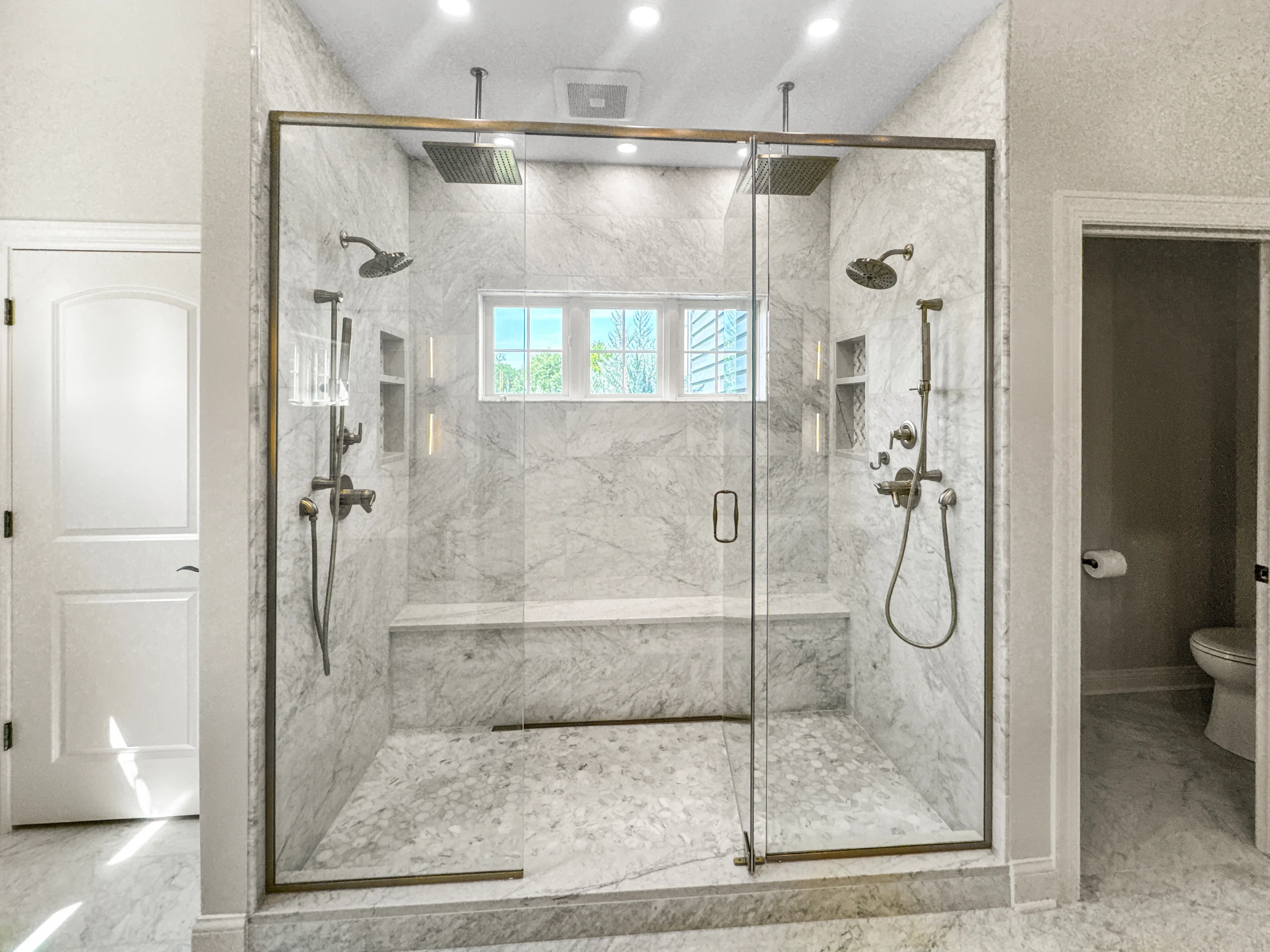
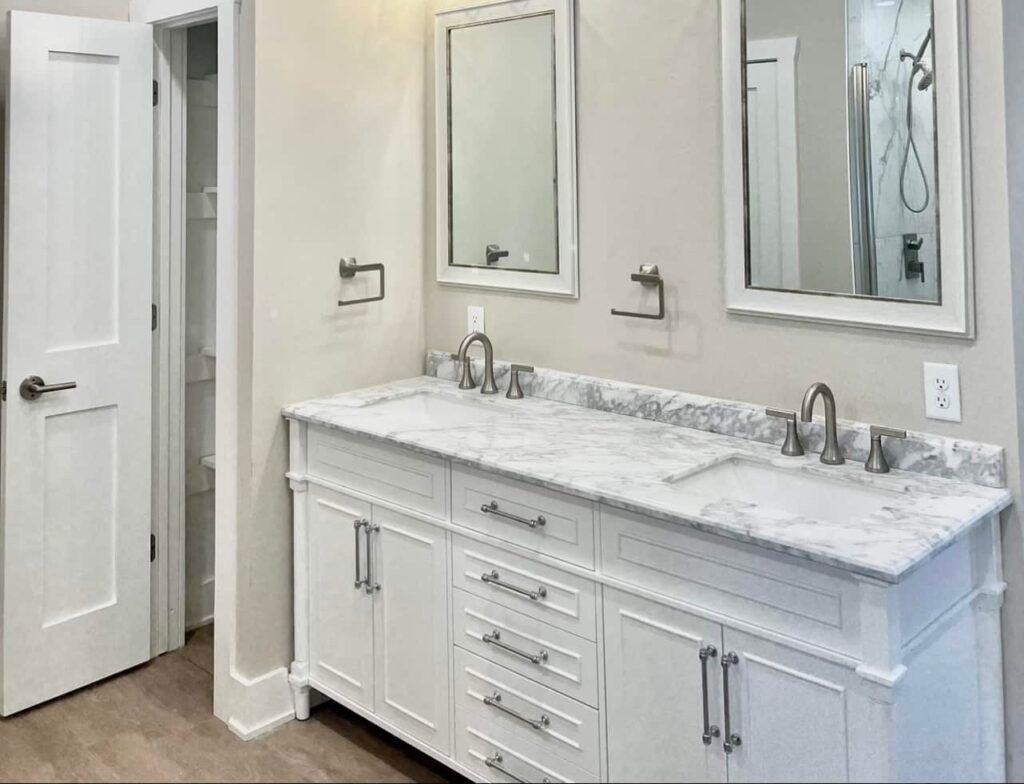
Cosmetic updates sit in a different category entirely. Whole-house paint, flooring, and fixture replacements typically run $10,000-$25,000 in the Milwaukee market. A mid-range bathroom renovation lands at $8,000-$18,000. A mid-range kitchen renovation runs $15,000-$35,000. The ROI on these projects is honest but sobering: minor kitchen updates recover 60-80% of cost at resale, and a complete kitchen overhaul recovers only 50-60%.
That doesn't mean cosmetic work is always wrong. It means the decision depends on where your home sits in the market. If your home is priced in a competitive bracket where buyers in Wauwatosa, Shorewood, or Greenfield have three similar options on the same street, fresh paint and updated flooring can shorten days-on-market and support a higher list price. That's a real benefit, even if it's not a dollar-for-dollar return.
 Remodel - T&J
Want this priced for your remodel?
John walks your space, measures it, and leaves a written itemized estimate. No cost, no obligation, no sales script.
But if your home is already at or near the neighborhood's price ceiling, cosmetic upgrades won't push you past it. Appraisers use comparable sales, not your invoice. You can spend $20,000 on a bathroom renovation and still appraise at the same number you would have without it, because the comps on your street don't support a higher value.
The simple filter: cosmetic updates are worth considering when your home is priced below the neighborhood ceiling and buyers have alternatives. They're worth skipping when you're already at the top of the comp range. For a detailed breakdown of what these projects actually cost line by line, see our guide on what a mid-range bathroom renovation actually costs in Wisconsin.
Curb appeal improvements (fresh exterior paint, landscaping cleanup, power washing) tend to punch above their cost because they affect first impressions and online listing photos. Buyers mentally discount homes that look neglected before they even schedule a showing. Low-cost visibility improvements often move the needle more than expensive interior upgrades.
The Over-Improvement Trap: When Upgrades Hurt Your Net Proceeds
Over-improvement (spending more on upgrades than the neighborhood's price ceiling allows you to recover) is the most common mistake sellers make when they're trying to maximize their sale price.
Here's a concrete example from current Southeast Wisconsin market data: a seller puts luxury finishes into a home in a subdivision where the highest comparable sale is $350,000, then lists at $425,000. The $75,000 gap doesn't disappear because the kitchen looks great. It fails to appraise. The buyer's lender won't fund above the appraised value, the buyer can't cover the gap in cash, and the deal falls apart. The seller either re-lists at a lower price or negotiates a price cut, having already spent the renovation budget.
The mechanism is straightforward. Appraisers are required to use comparable sales on your street and in your neighborhood. Your invoice is not a comp. A $30,000 kitchen renovation in an entry-level Waukesha County subdivision will not push your appraised value above what the street's sales history supports.
This pattern is especially common in entry-level subdivisions across Waukesha, Dane, and Outagamie counties, where tight comp ceilings mean luxury finishes simply can't break through the neighborhood's price floor. We see it in New Berlin, Menomonee Falls, and Oconomowoc just as often as in Milwaukee proper.
The practical rule: before committing to any project over $15,000, pull the highest comparable sale on your street in the last six months. If your planned asking price would exceed that number by more than 5-10%, either scale back the finish level or skip the upgrade entirely. It's also worth understanding the 30% rule for remodeling budgets before you commit to a large pre-sale project, because the same ceiling logic applies.
The Real Math: Fix-and-List vs. Sell As-Is in Wisconsin
The gap between fix-and-list and sell-as-is is real. But it's smaller than most sellers expect, and the direction it goes depends entirely on what kind of repairs you're looking at.
Using a Milwaukee bungalow as the working example from 2026 regional market data: median sale price around $230,000, realistic repair budget of $35,000-$60,000 covering roof, foundation, HVAC, lead paint, and cosmetic updates, carrying costs of $3,000-$9,000 over a six-month repair-and-list timeline, and transaction costs of $21,000-$24,000 on a roughly $260,000 sale. Net proceeds after all of that: approximately $191,000.
A cash as-is offer on the same home would likely land at $170,000-$185,000. The difference in net proceeds is $10,000-$20,000. That's real money. But it's not the dramatic gap sellers often imagine when they picture "fixing everything."
The fix-and-list advantage over a cash as-is offer in a typical Milwaukee-market scenario is $10,000-$20,000 net, not $50,000.
Fix-and-list wins when the repairs are structural (they widen the buyer pool to FHA and VA borrowers), the timeline is manageable, and the seller isn't carrying $1,500 a month in holding costs for six months. It loses when the repairs are purely cosmetic, the seller needs speed, or the carrying costs erode the margin before the home even lists.
A simple decision rule: if your repair list is under $20,000 and structural, fix it. If it's $40,000 or more in cosmetic work, run the full math including carrying costs before you commit. Our guide to average kitchen remodel costs in Wisconsin can help you pressure-test a kitchen quote before you decide whether it pencils out.
What a Complete Pre-Sale Scope Looks Like vs. a Low-Ball Estimate
When you're looking at two or three contractor quotes for pre-sale work, the price difference almost always comes down to what's included, not what the work actually costs. A complete pre-sale scope covers permit pulling, demo, structural rough-in, inspections, finish work, and cleanup. A low-ball quote often omits permit fees, haul-away, subcontractor coordination, and a contingency for what's found behind walls. Those omissions don't make the work cheaper. They make the surprises show up after you've signed.
Before you accept any quote for pre-sale work, ask these four questions:
 Remodel - T&J
Does this quote include permit fees?
In Waukesha County, permit fees are real costs that vary by municipality. A quote that leaves them out will add them later.
Who pulls the permit, you or me?
A contractor who hands permit responsibility to the homeowner is also handing you the liability if something fails inspection.
What happens if demo reveals additional damage?
Every pre-sale project on a home built before 1980 has a real chance of finding something behind the walls. A contractor who can't answer this question clearly doesn't have a change-order process.
Is there a written change-order process?
Verbal agreements on scope changes are how budgets balloon. Get it in writing before work starts.
A complete scope costs more upfront. It costs less in surprises. John handles every T&J project's communications from first call through final walkthrough, so there's never a junior project manager translating between you and the person making decisions on your job.
If a quote comes in 20-30% below two other bids, it almost certainly omits permit fees, haul-away, or a contingency line. Ask the contractor to itemize those specifically. If they can't, the low number will catch up to you mid-project.
For a sense of what full-scope kitchen costs look like before you start comparing quotes, our guide to the average kitchen remodel cost in Wisconsin breaks down the line items in detail.
Timeline Reality: Six Months Is the Norm, Not the Exception
Six months is a realistic baseline for a meaningful repair-and-list project. That timeline includes contractor scheduling lead time (typically 4-8 weeks for licensed contractors in Waukesha County), permit processing, active work, inspections, staging, and listing.
Carrying costs during that window run $500-$1,500 per month in property taxes, insurance, utilities, and maintenance. Over six months, that's $3,000-$9,000 added to the true cost of pre-sale work. Those costs don't show up on a contractor's quote, but they come directly out of your net proceeds.
Start the contractor conversation 2-3 months before your target list date, not 2 weeks before. Quality contractors in Waukesha County book 4-8 weeks out. If you call in April hoping to list in May, you're already behind the schedule that gets you the best work at the best price.
The practical implication: if you're planning to list in spring, the contractor conversation should happen in late fall or early winter. That's not a sales pitch. It's just the math of how permit timelines and contractor schedules work in this market.
The Decision Framework: A Simple Yes/No Filter for Wisconsin Sellers
Three questions will sort most pre-sale projects into the right category.
Is the issue structural or safety-related? Fix it. Roof, foundation, HVAC, electrical, lead paint, mold, sewer lateral. These expand your buyer pool to FHA and VA borrowers and remove the deal-killers a home inspector will find anyway. The ROI comes from not losing the sale, not from adding value.
Does the upgrade push your ask above the neighborhood's highest comp? Skip it, or scale back the finish level. Appraisers use comparable sales. Your invoice doesn't change the ceiling. Spending $30,000 on a kitchen in a neighborhood where the highest sale is $350,000 will not get you to $425,000.
Will the carrying costs during repairs eat the margin you'd gain? Run the numbers. At $500-$1,500 per month, a six-month project adds $3,000-$9,000 in holding costs before you list. If the expected gain from the repairs is $15,000 and the carrying costs are $9,000, the real advantage is $6,000. That might still be worth it. But it's a different decision than the headline number suggests.
If you're not sure which category your project falls into, a pre-sale scope conversation with T&J costs nothing and takes about an hour. You can also explore our full range of pre-sale home remodeling services in Waukesha County to understand what a complete project scope looks like.
Working With a Contractor on Pre-Sale Projects in Waukesha County
Pre-sale remodeling in Waukesha County serves one goal: get the home sold at the best net proceeds without over-spending on work that won't return. That's a different scope conversation than a full renovation, and it requires a contractor who understands the difference.
Telli and John, the father-son team behind T&J Remodeling, handle pre-sale projects personally across Waukesha County and the Greater Milwaukee area, including Brookfield, Menomonee Falls, New Berlin, Oconomowoc, and surrounding communities. Telli is on-site running the work. No junior project manager in between.
 Remodel - T&J
If you're comparing quotes right now and want one from a contractor who will give you the complete scope upfront, book a free Waukesha County consultation. No cost, no obligation, and you'll walk away knowing what the work actually costs and whether it makes sense to do it at all.
Frequently asked questions
Does remodeling a house before selling actually increase the sale price in Wisconsin?
Sometimes, but rarely dollar-for-dollar. The 2026 Cost vs. Value Report (Remodeling Magazine, Midwest Region) shows sellers recovering 60-75% of renovation costs at resale, even on the highest-ROI projects. Structural repairs tend to recover more because they widen the buyer pool to FHA and VA borrowers, which creates real competition for the home. Cosmetic upgrades can improve days-on-market and support a higher list price, but they rarely return full cost. The core reason: appraisers are required to use comparable sales on your street, not your invoice, so the neighborhood's price ceiling caps what any upgrade can return regardless of finish quality.
What repairs are required before selling a house in Wisconsin?
Wisconsin does not legally require sellers to fix everything before listing. But buyers using FHA or VA financing cannot purchase homes with certain safety or structural defects, including active roof leaks, failing foundations, inoperable HVAC systems, knob-and-tube wiring, and lead paint hazards, under HUD minimum property standards (FHA Title II, 24 CFR Part 200). Skipping these repairs limits your buyer pool to cash investors, who will price in the risk with a steep discount. Wisconsin sellers are also required under Wis. Stat. § 709.02 to disclose known defects, so fixing them before listing removes both the repair cost and the disclosure liability.
Is it better to sell a house as-is or fix it up first in Wisconsin?
The gap is smaller than most sellers expect. Using a Milwaukee-market example from 2026 regional data: a fix-and-list scenario nets approximately $191,000 after repairs ($35,000-$60,000), carrying costs ($3,000-$9,000), and transaction costs ($21,000-$24,000) on a roughly $260,000 sale. A cash as-is offer on the same home might land at $170,000-$185,000, a difference of $10,000-$20,000. Fix-and-list wins when repairs are structural and the timeline is manageable. As-is wins when repairs are cosmetic, the seller needs speed, or carrying costs would erode the margin. The decision isn't emotional. It's arithmetic.
What is over-improvement and how do I avoid it when selling in Wisconsin?
Over-improvement means spending more on upgrades than the neighborhood's price ceiling allows you to recover. If the highest comparable sale on your street is $350,000, a $425,000 ask after luxury renovations will likely fail to appraise, and the buyer's lender won't fund the gap. The deal falls apart, and you've already spent the renovation budget. The fix is simple: before committing to any project over $15,000, check the highest recent comp on your street through the Wisconsin Department of Revenue's real estate transfer records. If your planned ask would exceed that number by more than 5-10%, scale back the finish level or skip the upgrade entirely.
How long before listing should I start talking to contractors in Wisconsin?
Start the contractor conversation 2-3 months before your target list date. Six months is a realistic baseline for a meaningful repair-and-list project, and licensed contractors in Waukesha County typically book 4-8 weeks out. Calling two weeks before you want to list means you're competing for contractor time at the worst possible moment in the schedule, and you'll either wait or settle for whoever is available. The carrying costs during that window run $500-$1,500 per month, so delays cost real money. Earlier is always better.
Which home improvements have the best ROI before selling in Wisconsin?
Structural and safety repairs consistently outperform cosmetic upgrades on ROI because they expand the buyer pool rather than just improving aesthetics. Among cosmetic projects, minor kitchen updates (new hardware, paint, modest countertop refresh) recover 60-80% of cost. A complete kitchen overhaul recovers only 50-60%. Curb appeal improvements (fresh exterior paint, landscaping cleanup, power washing) tend to punch above their cost because they affect first impressions and online listing photos. Buyers mentally discount homes that look neglected before they even walk in, so low-cost visibility improvements often move the needle more than expensive interior upgrades.