Mudroom Addition Cost in Wisconsin: 2026 Pricing Guide
Most Waukesha County mudroom projects land at $15,000 to $40,000 for 2026, depending on whether you're converting an existing covered porch or building a new addition from a fresh frost-depth foundation. A larger custom build with heated tile and a utility sink runs $40,000 to $60,000 or more. If you're comparing contractors right now, this guide covers what your project should actually cost, which permits you'll need, and how to vet a quote before you sign anything. The gap between two bids is almost always scope, not margin, and we'll show you exactly where.
Published 2026-08-03 · 12 min read · 2,765 words
What a Mudroom Addition Costs in Wisconsin (2026 Numbers)
A mudroom addition in Wisconsin runs $15,000 to $60,000 or more, and where you land inside that range comes down to size and whether you're building new or converting existing structure. Here's how the tiers break down, based on 2026 Wisconsin remodeling market data:
| Tier | Size | 2026 Cost |
|---|---|---|
| Small (porch conversion / bump-out) | 40-80 sq ft | $15,000-$25,000 |
| Medium (new addition) | 80-150 sq ft | $25,000-$40,000 |
| Large / luxury | 150+ sq ft | $40,000-$60,000+ |
You'll see a $12,000 national average floated for mudroom additions. Treat that as a floor that rarely applies here. It doesn't account for Wisconsin labor rates or our frost-depth footing requirements, both of which push a real new-construction addition higher. In a state where families track boots, coats, and road salt through the house from November to April, a mudroom earns its keep daily. It also reads as a strong buyer-appeal feature at resale across the Waukesha County family-home market.
What's Actually Inside a Mudroom Addition Quote
A complete mudroom quote covers three buckets: structural work, interior finishes, and soft costs. Miss any one of them and the number on paper looks great until the change orders start. In our years of building mudrooms across Waukesha County, the single most common mistake homeowners make is comparing bids on the bottom-line number instead of on what each line item actually includes. Here's every legitimate piece a full quote should name.
Structural (the part low bids hide)
Foundation is the big one: $5,000 to $15,000 depending on size and site conditions. Framing runs $4 to $16 per square foot. Roofline integration, meaning tying the new roof cleanly into your existing structure, adds $2,000 to $7,000. These three items are where low-ball quotes cut corners, because they're invisible on a spec sheet and the most technical to price.
Want this priced for your addition?
John walks your space, measures it, and leaves a written itemized estimate. No cost, no obligation, no sales script.
The most common missing line item is frost-depth foundation work. A quote that prices a shallow slab where code requires deep footings isn't cheaper, it's incomplete, and the difference lands on you as a change order once the crew is already on site.
Interior finishes
Durable flooring rated for wet, salt-tracked winters (porcelain tile, LVP, or sealed concrete) runs $5 to $15 per square foot installed. Custom built-ins, meaning the bench, cubbies, lockers, and cabinetry, run $3,000 to $10,000 or more depending on material and complexity. Electrical rough-in gets priced at an electrician's hourly rate of $50 to $100. An HVAC stub-in, so the space is actually heated, runs at an HVAC tech's rate of $100 to $250 per hour.
Soft costs
Permits range from $150 to $7,500 in Wisconsin depending on project valuation and municipality. Structural drawings typically run $500 to $2,000. If you bring in an architect or designer for full design service, budget $2,400 to $14,000. As a rule, permits, design fees, and utility upgrades add 15 to 25 percent on top of base construction. That's not padding. It's the paperwork and engineering that make the addition legal and weather-tight.
Small vs. Medium vs. Large: What You Get at Each Budget
Ranges are abstract until you can picture your own project. Here's what each tier actually buys, so you can self-select before you call anyone.
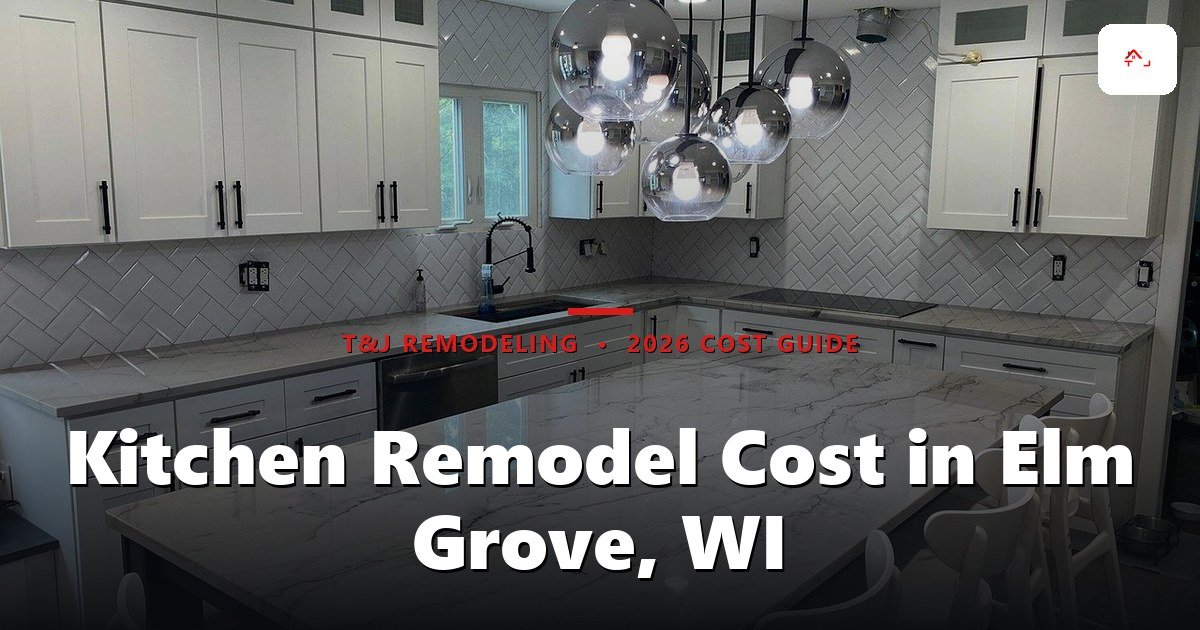
Small ($15,000-$25,000). Picture a 1950s ranch in Elm Grove with an existing covered porch off the kitchen. You're enclosing what's already there: adding walls, insulation, LVP flooring, a bench with hooks, and a light. Because the foundation and roof already exist, the heavy structural cost drops out. In 2026 we converted a covered porch on a family home in Elm Grove into roughly a 65 sq ft mudroom for a household of four. The project landed in the low end of this range and wrapped in about four weeks, because we were working with structure that was already standing.
Medium ($25,000-$40,000). A true new addition of 80 to 150 sq ft with a fresh frost-depth foundation, a full roofline tie-in, mid-range porcelain tile, and built-in cubbies with a storage bench. This is the most common mudroom build across Brookfield and New Berlin, a genuine bump-out where none existed before.
Large / luxury ($40,000-$60,000+). A 150+ sq ft multi-functional space: coat and gear storage, a utility sink, a pet washing station, custom cabinetry, heated tile floor, and premium finishes. This is the mudroom that does laundry-room and drop-zone duty at once.
In older neighborhoods like Wauwatosa and Elm Grove, where covered porches are common on the existing housing stock, converting is almost always the smartest money. You skip the two most expensive structural line items, foundation and roof framing, and spend on the parts you actually see and use.
What Moves the Price Up, and What Keeps It Down
Once you understand the drivers, two quotes that look wildly different usually make sense. Here's what pushes a mudroom addition up and what pulls it down.
Cost drivers:
- A new frost-depth foundation instead of working off an existing slab or porch.
- A complex roofline, like a hip-roof tie-in, versus a simple shed roof.
- Custom cabinetry instead of stock built-in components.
- Adding a utility sink, which brings a plumber in at $45 to $200 per hour.
- Heated floors.
- Matching exterior finish to your existing siding, especially older or discontinued profiles.
Cost savers:
- Converting an existing porch, because the foundation is already there.
- A simple shed-roof bump-out of two to six feet.
- Stock built-in components over full custom millwork.
- LVP flooring instead of tile.
- Keeping electrical to a single circuit.
Wisconsin frost depth runs roughly 48 inches, so footings have to reach that far below grade to avoid frost heave. That's a real, unavoidable line item that warmer-state cost estimates simply don't carry. When a Wisconsin quote costs more than a national calculator predicts, this is usually why. The governing standard sits in the Wisconsin DSPS Uniform Dwelling Code, and the NAHB publishes guidance on why footing depth matters structurally.
If you want to sanity-check the math against broader addition pricing, our breakdown of home-addition cost per square foot in Wisconsin puts the mudroom numbers in context, and our home additions in Waukesha County page covers the full scope of what we build.
Wisconsin Permits for a Mudroom Addition: What to Expect
Any structural addition in Wisconsin requires a building permit, and a mudroom is no exception. Permit cost ranges from $150 to $7,500 depending on your municipality and the project's valuation. Structural drawings are typically required too, usually $500 to $2,000. Your local building department, whether that's Brookfield, Waukesha, or New Berlin, reviews the plans, then inspects the footings, framing, and final work before the project can close out.
Skipping the permit isn't a shortcut, it's a liability. An unpermitted addition can surface during a title search, complicate a home sale, and give a homeowner's insurer grounds to deny a claim tied to the work. Some buyers walk away entirely rather than inherit the problem. That's a real resale risk, not a scare tactic. The U.S. Department of Energy's Energy Saver guidance reinforces why proper permitting and inspection protect the work long-term.
Some projects genuinely don't need a permit, and it's worth knowing the line. For a mudroom addition, though, you're pulling one. We handle the permit as part of every project scope, so it's in the quote from day one, not bolted on later.
How to Read a Mudroom Addition Quote (and Spot the Gaps)
Here's the part that matters most when you're holding two or three bids. A quote can look cheaper simply because it left things out. Before you accept any of them, verify these six line items are explicitly present, in writing:
Foundation depth.
Is it frost-depth compliant to roughly 48 inches, or does the quote quietly assume a shallow slab?
Roofline integration.
Is the tie-in to your existing roof included or excluded?
Permit fees.
Who pulls the permit, and who pays for it?
HVAC and electrical rough-in.
Are both mechanical rough-ins in the number?
Exterior finish.
Does the quote cover matching your existing siding and proper flashing?
Built-ins.
Custom or stock, and in what material?
The mechanism behind a low-ball bid is simple. A contractor wins the job on the lowest number, then discovers mid-project that the footings need to go deeper, the roof needs a real tie-in, or the permit costs money. Each becomes a change order, and by then you're committed and the crew is on site. The cheap bid catches up to you, plus surprises.
So when you ask us why our quote is higher than the cheapest one, the honest answer is that a complete scope costs more upfront and less overall. The foundation depth, permit, roofline, and mechanical rough-ins are all in the number before you sign, not discovered later. John walks through every T&J quote line by line before anyone commits, so there's no mid-project balloon. That's the whole point of a transparent scope: you know what you're buying.
Timeline: How Long Does a Mudroom Addition Take in Wisconsin?
Plan for 3 to 6 weeks of design and permitting before construction starts, longer if structural drawings are required. Construction itself runs 3 to 6 weeks for a small addition and 6 to 10 weeks for a medium or large build.
Timing matters more here than in most states. Breaking ground in frozen soil, typically November through March, adds cost and complexity because frost-depth foundation work is slower and harder when the ground is locked up. The best start window runs late spring through early fall, when footings go in clean.
One more scheduling factor: reputable crews in Waukesha County book out. Our typical lead time is 4 to 8 weeks from consultation to start, depending on the season, so it pays to start the conversation before you're ready to swing a hammer.
Is a Mudroom Addition Worth It in Wisconsin?
In a state where the entry point takes a beating from October boots to April slush, a mudroom pays first in daily function. It's the difference between salt and snowmelt stopping at the door versus tracking across your kitchen floor all winter. Boots, coats, backpacks, and dog leashes all get a home.
The resale case is real too. Mudrooms are a genuine buyer-appeal feature in Waukesha County's family-home market, where organized entry points are close to expected. A well-executed addition also adds finished square footage to the home's assessed value. We won't quote you a specific ROI percentage, because honest numbers vary too much by home and neighborhood to promise one. What we'll say plainly: a mudroom done right earns its keep in both daily use and appeal when you list.
Get an Accurate Mudroom Addition Quote in Waukesha County
Here's the short version. Mudroom additions in Wisconsin run $15,000 to $60,000 or more depending on size and scope, and the gap between two quotes is almost always what's included, not the contractor's margin. A complete quote covers foundation, roofline tie-in, permits, HVAC and electrical rough-in, and built-ins, all named before you sign.
Get your mudroom addition quote with a free in-home consultation, no cost and no obligation, and we'll break down every line item so you can compare bids with confidence. John handles every project's communication directly, from first estimate to final inspection. When you're ready, book a free Waukesha County consultation or learn more about T&J Remodeling. You can also estimate your mudroom addition cost with our home-remodeling cost calculator first.
Frequently asked questions
What is the average mudroom addition cost in Wisconsin?
A mudroom addition in Wisconsin typically runs $15,000 to $25,000 for a small 40 to 80 sq ft porch conversion or bump-out, $25,000 to $40,000 for a medium 80 to 150 sq ft addition with a new foundation, and $40,000 to $60,000 or more for a large or luxury build. The range is wide because scope varies enormously, our frost-depth footings add foundation cost that warmer-state estimates never carry, and finishes swing hard between LVP and heated tile. Compare bids on what each includes, not the bottom line, and the spread usually makes sense.
Do I need a permit for a mudroom addition in Wisconsin?
Yes. Any structural addition in Wisconsin requires a building permit, including mudroom bump-outs, and permit costs range from $150 to $7,500 depending on municipality and project valuation. Structural drawings are typically required too. Skipping it creates real problems: an unpermitted addition can surface in a title search and stall a sale, an insurer can deny a claim tied to the work, and you lose the inspection that confirms your footings and framing are sound. A licensed contractor pulls the permit as part of the job, so if a quote doesn't mention it, ask who handles it and who pays.
What's the cheapest way to add a mudroom in Wisconsin?
Converting an existing covered porch is the most cost-efficient path, because the foundation and roof already exist. You're only paying for walls, insulation, flooring, and built-ins rather than building from scratch, which can bring a functional mudroom in at the low end of the $15,000 to $25,000 range. The next most affordable option is a simple shed-roof bump-out of two to six feet with stock cabinetry and LVP flooring. Costs climb quickly once you add a utility sink, which requires a plumber, heated floors, or full custom cabinetry.
Can I convert a porch instead of building a new addition?
Often yes, and it's usually the smarter money if the existing structure is sound. A porch conversion reuses the foundation ($5,000 to $15,000 saved) and roof ($2,000 to $7,000 saved), so you only pay for walls, insulation, flooring, and built-ins. That's why conversions land at the low end of the range while new builds start at $25,000. The catch: if your porch is undersized or the framing is failing, a fresh addition can cost less than fixing both. We'll tell you honestly which way the math points at the consultation.
Why is one mudroom addition quote so much lower than the others?
Low-ball quotes almost always exclude one or more required items: frost-depth foundation work, roofline integration, permit fees, HVAC rough-in, or exterior finish matching your existing siding. None of those are optional for a code-compliant, weather-tight addition. The mechanism is straightforward, a contractor wins the job on a low number, then adds change orders once the work is underway and you're committed. Before you accept any bid, confirm in writing that foundation depth, permits, roofline tie-in, and mechanical rough-ins are explicitly included.
How long does a mudroom addition take to build?
Plan for 3 to 6 weeks of design and permitting before construction starts, then 3 to 6 weeks of construction for a small addition and 6 to 10 weeks for a medium or large build. Season matters here: breaking ground in frozen soil, typically November through March, slows frost-depth foundation work and adds cost, so the best start window runs late spring through early fall. Factor in contractor lead times as well, since reputable Waukesha County crews are often booked four to eight weeks out.
What should a mudroom addition include?
A functional mudroom should include durable flooring rated for wet, salt-tracked winters (porcelain tile, LVP, or sealed concrete), built-in storage such as a bench, cubbies, and hooks, adequate lighting, and at minimum a dedicated electrical circuit. Better builds add an HVAC stub-in so the space is actually heated, because an unheated mudroom in Wisconsin is uncomfortable and invites moisture problems. A utility sink is a popular upgrade for households with dogs or kids in sports. The exterior must match or complement your existing siding with proper flashing and weatherproofing.
Pricing is based on our own recent projects, cross-checked against 5 independent sources. Written by John (PM, 14 yrs) and reviewed by Telli, who has been remodeling in Wisconsin since 1989. Published 2026-08-03.
Ready to talk through your project?
Free in-home consultation. No cost or obligation. No sales script.
Estimates: open this week. New project starts are typically 4-6 weeks out, so the earlier we walk your space, the more flexibility you have on a start date.
- Walkthrough & written itemized estimate — free
- Real allowances, permit included, cement board behind every wet wall
- Two-year written workmanship warranty, no asterisks
- One accountable contact from day one to day done