 Bathroom project - T&J
What Bathtub Replacement Costs in Wisconsin in 2026
| Scope | What is involved | 2026 cost |
|---|---|---|
| Tub swap, existing surround kept | Same size alcove tub, minimal tile work | $3,500-$5,500 |
| Tub and surround replaced | New tub, new tiled walls, waterproofing | $6,000-$11,000 |
| Freestanding tub, plumbing moved | Floor mounted filler, new supply and drain | $9,000-$16,000 |
| Tub plus full wet area rebuild | Structure, subfloor repair, new fixtures | $12,000-$18,000+ |
The first row is narrower than people expect. A genuine like for like swap where the surround survives intact is uncommon, because removing a tub almost always damages the bottom course of tile and whatever sits behind it. Any contractor quoting the low end should be explaining how they intend to keep the surround intact.
These ranges reflect what we quote across Waukesha County and the Milwaukee metro.
Tub Types and What They Cost
Acrylic alcove, $400 to $1,200. The standard replacement. Light, warm to the touch, easy to handle in a tight bathroom, and available in the common sizes that fit existing openings.
Porcelain enamelled steel, $300 to $800. Inexpensive and durable in the surface, but cold and noisy, and heavy enough to complicate installation.
 Bathroom - T&J
Want this priced for your bathroom?
John walks your space, measures it, and leaves a written itemized estimate. No cost, no obligation, no sales script.
Cast iron, $700 to $2,500. Excellent heat retention and a solid feel. Very heavy, which matters in Wisconsin homes with older floor framing, and often requires reinforcement plus more labor to carry in.
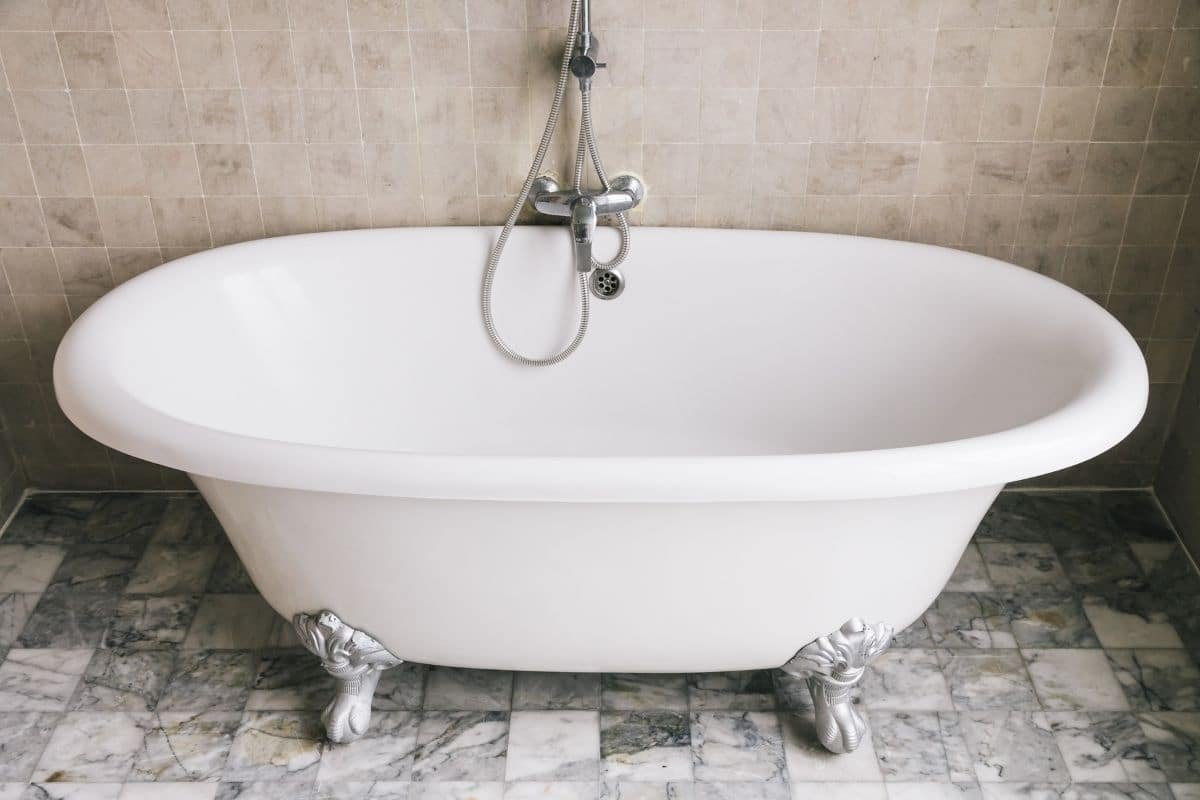
Freestanding soaking, $1,200 to $4,500. The design led option. The tub price is only part of it, because the plumbing usually has to move and a floor mounted or wall mounted filler is an additional cost.
Walk-in tub, $3,000 to $9,000. Aimed at accessibility. These need a dedicated approach to drainage and often a larger water heater, so installed cost runs well above the unit price. If accessibility is the goal, it is worth comparing against a curbless shower before committing, since for many people that ends up the better answer.
Where the Money Actually Goes
Demolition. Cutting out a cast iron tub in a second floor bathroom is genuinely hard work. It frequently has to be broken up in place, which is loud, slow, and messy, and it costs more than removing an acrylic unit.
What is behind the tub. This is the single biggest source of change orders in the whole project. Old tub surrounds frequently hide water damage: rotted studs, deteriorated subfloor at the tub edge, and failed waterproofing. Nobody can see it until the tub is out. A good contractor will tell you in advance that this is a possibility and give you a rate for the repair rather than pretending it will not happen.
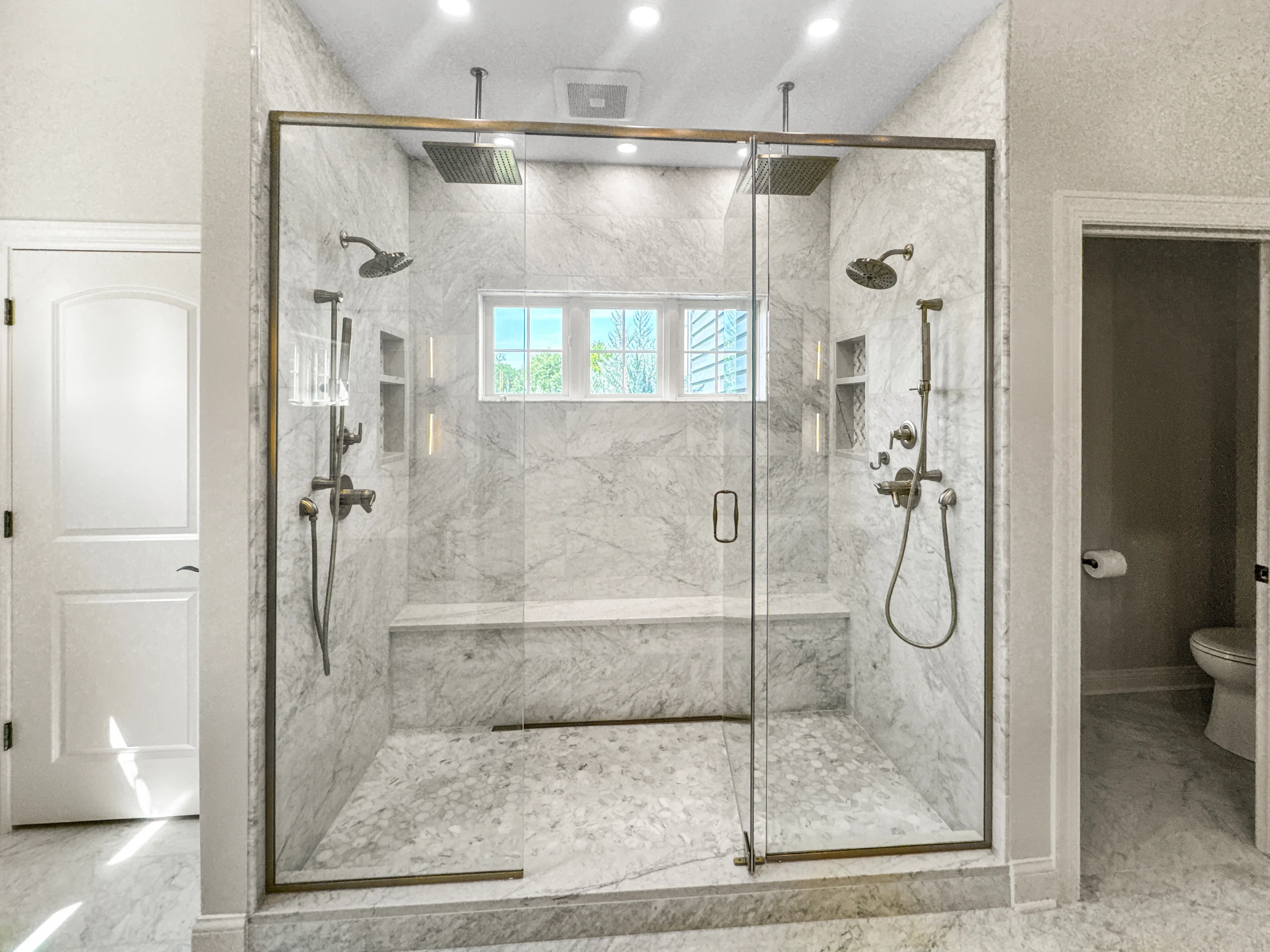
The surround. Tile costs more than a panel system and looks better. Waterproofing behind it is not optional and is where cheap quotes cut. Tile and grout are not waterproof on their own, and grout is porous by design, so a membrane behind the tile is what keeps water out of the framing.
Plumbing. Reusing the existing drain location is straightforward. Moving it, which a freestanding tub usually requires, means opening the floor and often the ceiling below.
Valve and trim. Replacing the tub is the moment to replace the mixing valve, because the wall is open. Doing it later means opening the new surround, which nobody wants to do.
Replace, Refinish, or Convert to a Shower?
Refinishing, $500 to $1,200. A coating applied over the existing tub. It looks good initially and is by far the cheapest option. It is a cosmetic fix with a finite life, typically several years rather than decades, and it cannot address a cracked tub or anything wrong behind the surround. It makes sense when the tub is structurally sound, merely stained or dated, and you are preparing to sell or buying time.
Replacing, $3,500 to $11,000. The durable answer, and the only one that lets you see and fix what is behind the wall. If the tub is cracked, if there is any sign of water damage, or if the surround is failing, this is the option.
Converting to a walk-in shower, $6,000 to $15,000. Worth serious consideration if nobody in the house takes baths. In Waukesha County we convert far more tubs to showers than we replace like for like, and homeowners rarely regret it. The one caution is resale: a home with no bathtub at all can narrow the buyer pool, particularly for families with small children. If it is your only tub, think carefully. If it is one of two, convert freely. Our tub to shower conversion guide covers that path in detail.
Wisconsin Permits
A straight tub swap reusing the existing drain and supply generally does not require a permit, since you are replacing a fixture rather than altering the system.
Moving the drain, relocating supply lines, or changing the layout is plumbing work under the Wisconsin Uniform Dwelling Code as administered by your local building department, and typically requires a permit and inspection. The threshold varies between municipalities, so a call to your building department is the reliable answer for your address.
 Bathroom - T&J
If demolition reveals structural damage requiring repair to floor framing, that may also bring the work into permitted territory. This is one more reason to use a contractor who will report what they find rather than cover it up.
How to Read a Tub Replacement Quote
What happens if there is damage behind the tub? Ask this directly and get the answer in writing, with a rate. This is the most likely change order on the job and a contractor who has not raised it is either inexperienced or leaving it as a surprise.
Is waterproofing named? For any tiled surround, the membrane system should be specified. Its absence is the single biggest predictor of failure in five years.
Is the mixing valve included? Replacing it while the wall is open is cheap. Doing it later is not.
Is demolition and disposal included? Cast iron in particular is heavy and expensive to remove and haul.
Is the tub supplied or an allowance? A $500 allowance and a $1,500 tub are different bathrooms.
Is subfloor repair excluded? Most quotes exclude it, which is reasonable since it cannot be seen. What matters is that the exclusion is stated with a rate rather than hidden.
Timeline
A straight tub swap where the surround survives runs two to three days. A tub with a new tiled surround runs five to eight working days, because waterproofing, tile setting, curing, and grouting each need their own time. Moving plumbing or repairing structure adds three to five days.
Tile curing is the pacing item and cannot be compressed. A promise of a fully tiled tub surround in two days means a step is being skipped, and it will be the step you cannot see.
Is Replacing Your Tub Worth It?
If the tub is cracked, leaking, or the surround is failing, this is not really a discretionary project. Water moving into framing gets more expensive every month it continues.
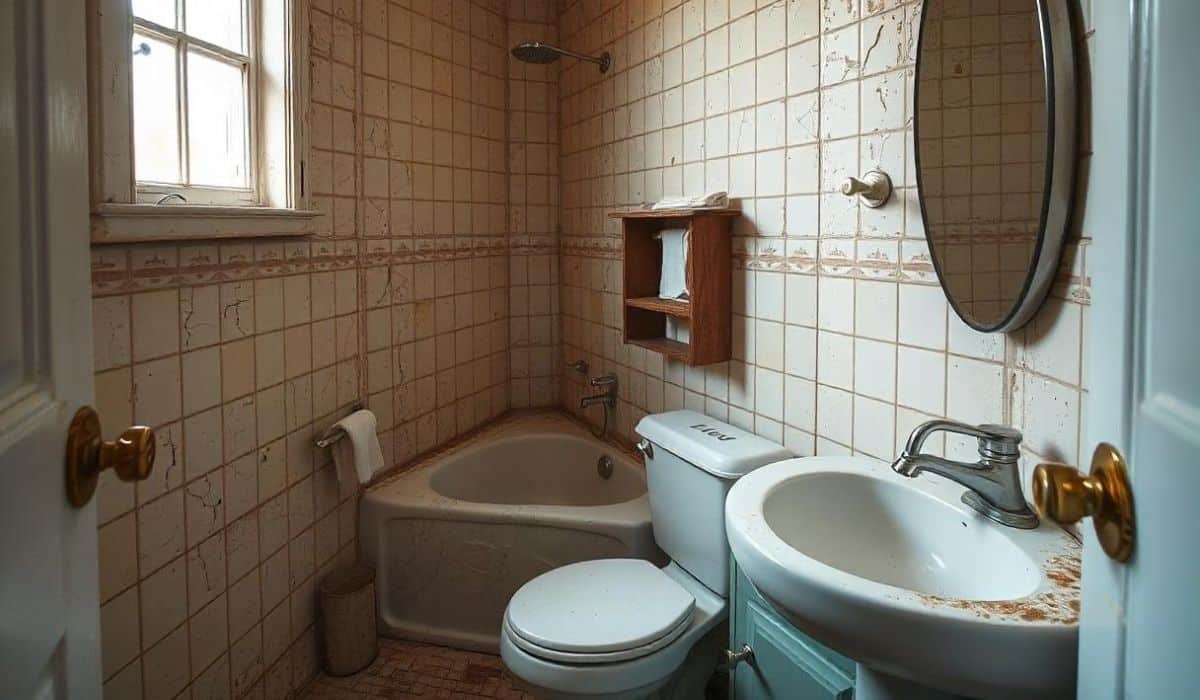
If the tub is merely dated, the honest answer depends on your plans. Refinishing is a reasonable bridge if you are selling within a couple of years. Replacement makes sense if you are staying, particularly because it is the only way to inspect and fix what is behind the wall.
 Bathroom - T&J
A word on the whole room. If the tub is dated, the vanity and the floor usually are too, and doing them together costs less than doing them separately because the trades are already there. Our guide to realistic bathroom remodel budgets in Wisconsin covers what a full remodel runs here, and it is worth comparing before committing to the tub alone.
Get a Tub Replacement Quote in Waukesha County
What your replacement costs depends on the existing tub, the condition of the surround, whether the drain stays put, and what is behind the wall. Only the last one is a genuine unknown, and an experienced eye can usually tell you how likely trouble is before demolition starts.
John will look at the bathroom, tell you honestly whether replacing, refinishing, or converting to a shower makes most sense for your situation, and leave a written itemized estimate with the possible repair work priced rather than hidden. We are a licensed and insured Wisconsin remodeling contractor serving Waukesha County and the Milwaukee metro since 2016.
Frequently asked questions
How much does it cost to replace a bathtub in Wisconsin?
Typically $3,500 to $8,500 in 2026 for a replacement in the same footprint, rising to $9,000 to $18,000 when the surround is retiled or the layout changes. The tub itself is usually $400 to $2,500 depending on material, so most of the cost is demolition, surround rebuild, waterproofing, and labor. A quote at the very bottom of that range should explain how it intends to keep the existing surround intact, because removing a tub usually damages it.
Is it cheaper to refinish or replace a bathtub?
Refinishing is far cheaper at $500 to $1,200, but it is a cosmetic coating with a finite life measured in years rather than decades. It cannot fix a cracked tub and it cannot address anything wrong behind the surround. Refinishing makes sense for a sound but dated tub when you are selling soon or buying time. Replacement is the durable answer and the only one that lets you see and repair what is behind the wall.
What is the most common unexpected cost?
Water damage behind the tub. Old surrounds regularly hide rotted studs and deteriorated subfloor at the tub edge, and none of it is visible until the tub comes out. Ask any contractor directly what happens if they find damage and get a repair rate in writing before work starts. A contractor who has not raised the possibility is either inexperienced or planning to present it as a surprise.
Should I replace my tub or convert to a walk-in shower?
Convert if nobody in the household takes baths, which is the case more often than people admit. Showers are easier to use, easier to clean, and better for accessibility as you age. The one caution is resale: a home with no bathtub at all narrows the buyer pool, especially for families with young children. If it is your only tub, weigh that seriously. If you have a second tub elsewhere, converting is usually the better decision.
Do I need a permit to replace a bathtub in Wisconsin?
Generally not for a straight swap reusing the existing drain and supply lines, since that is fixture replacement rather than altering the system. You typically do need one if the drain moves, if supply lines are relocated, or if the layout changes, all of which are plumbing work under the Wisconsin Uniform Dwelling Code as administered by your municipality. Structural repair discovered during demolition can also bring the job into permitted territory.
How long does a bathtub replacement take?
Two to three days for a straight swap where the surround survives, and five to eight working days when a new tiled surround is included. Moving plumbing or repairing structural damage adds another three to five days. Tile sets the schedule, because waterproofing, setting, curing, and grouting each need their own time, and compressing those steps is where failures come from.