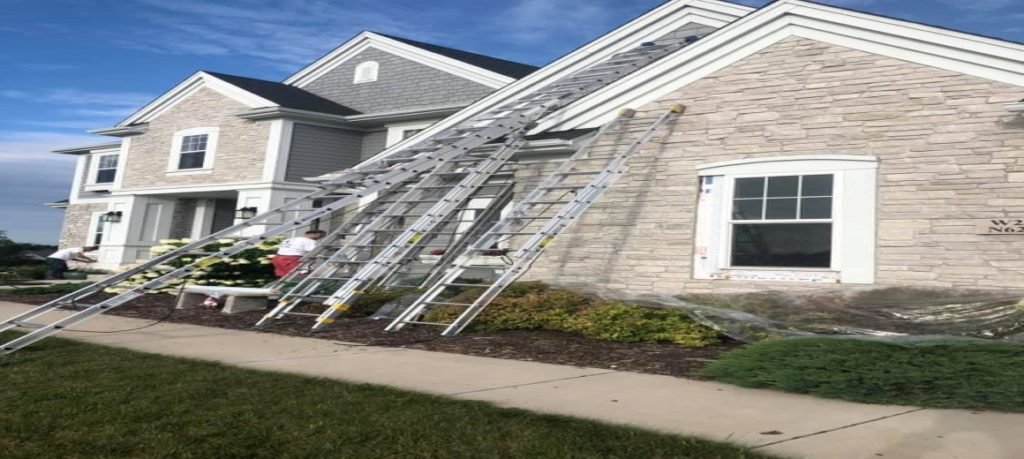
 Roofing project - T&J
Do You Need a Permit to Reroof in Wisconsin?
For a full or substantial re-roof, almost certainly yes. Any Wisconsin municipality that enforces the Uniform Dwelling Code (UDC), the statewide one- and two-family dwelling code, treats re-roofing as permit-required work. The City of Eau Claire spells it out plainly: re-roofing requires a building permit (When is a Permit Required?). "Just replacing the shingles" doesn't exempt you. Tearing off old roofing and laying new is the textbook definition of work that triggers a permit.
The permit is issued locally, your town or city building department reviews and approves it, but the framework comes from the state. The Wisconsin Department of Safety and Professional Services (DSPS) sets the rules and runs the online system that municipalities feed into. Madison and Milwaukee follow the same UDC framework as Waukesha and Brookfield, though permit timelines and local fees vary city to city. So the inspector you deal with is local; the standard behind their decision is statewide.
Who Can Actually Pull a Wisconsin Roofing Permit
Not just anyone with a ladder and a truck. Wisconsin requires two DSPS-issued credentials before a contractor can pull a residential building permit: the Dwelling Contractor Qualifier (DCQ), the certification that authorizes an individual to apply for permits, and the Dwelling Contractor (DC), the business-level certification required to provide labor on a permitted job. You need both in the chain for the work to be legal.
Here's what comparison shoppers should care about: these aren't lifetime credentials. Per the Wisconsin Builders Association, the DCQ renews every two years and requires 12 continuing education credits, while the DC renews annually through the state. When you pull a permit, the local municipality is required to record the contractor's information and verify both are current. If either has lapsed, the permit doesn't issue.
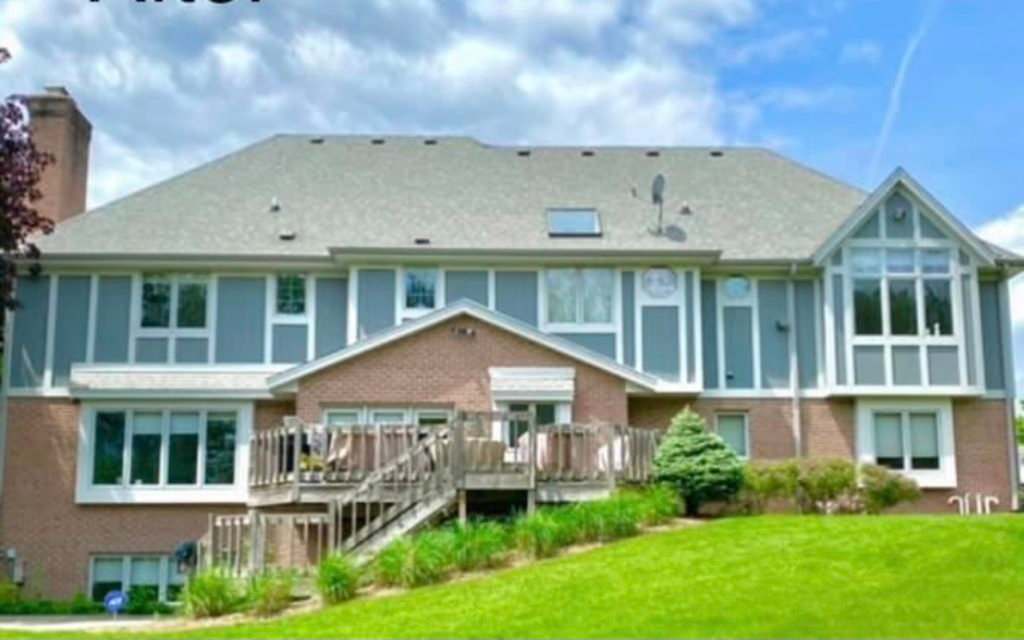 Roofing - T&J
Want this priced for your roofing?
John walks your space, measures it, and leaves a written itemized estimate. No cost, no obligation, no sales script.
Ask every contractor, "Are your DCQ and DC credentials current, and can you give me the numbers?" A contractor who hesitates, deflects, or asks you to pull the permit instead is often working around expired credentials. A current, credentialed contractor pulls permits as routine, it's literally what the DCQ authorizes.
The Permit Application Timeline & Cost
This is the part most bids skip, and it's the part that decides when your crew can actually start. The state's eSLA system requires a contractor's credentials to be processed up to one business day before a permit application can be submitted electronically through the Online Building Permit System (DSPS Online Building Permit System). So "we start Monday" isn't realistic unless the paperwork is already in the system.
After submission, local review takes time. In Waukesha County municipalities, a straightforward re-roof permit often clears within a few business days to a couple of weeks, but busy spring and summer seasons push that longer, plan for a wait of roughly two to four weeks from quote to start when the calendar is full. Permit fees are set locally and vary by municipality and project size; your building department publishes its fee schedule, and a credentialed contractor will fold that fee into the bid rather than surprising you with it later.
A contractor who promises an immediate start without mentioning permit timing is either skipping the permit or assuming you won't ask. The credential-processing step alone means a same-day start on a brand-new client is rarely possible.
The practical move is to ask each contractor for their realistic start date with the permit accounted for. The honest answer includes the review window. The low-ball answer pretends the permit doesn't exist.
Wisconsin's Two-Layer Shingle Rule, and Why It Affects Your Bid
Wisconsin mandates a maximum of two layers of shingles per roof. That single rule can swing your bid by a meaningful amount, and it's where low-ball quotes hide.
Here's how it plays out. Picture a 1960s Brookfield ranch that's already been re-roofed once. If the existing roof has two layers, state rules don't let a contractor lay a third on top. The roof has to come off, a full tear-off down to the deck, before new shingles go on. Tear-off is labor, disposal, and dumpster time. It's a real line item.
Now imagine two bids. One includes tear-off; one doesn't. The cheaper one looks like a bargain until you realize it physically can't be done legally on a two-layer roof without tearing off first. That's not a lower price, it's an incomplete scope that will balloon mid-project or fail inspection. The gap between the two bids is often exactly this line.
The question to ask: "How many shingle layers does my roof currently have, and is tear-off included in this quote?" That one question separates complete bids from optimistic ones.
Metal Roofing? You Need ARB Approval First
If you're considering metal roofing, there's an extra gate: approval from the Architectural Review Board (ARB), a local board that reviews exterior changes for compatibility with neighborhood standards, is mandatory before a re-roofing permit can issue.
The catch is timing. ARB decisions aren't same-week. The board meets on a schedule, your submission goes into a queue, and you wait for a ruling before the permit clock even starts. In 2026 we handled a Brookfield colonial where the ARB initially rejected the homeowner's metal-roof request; we resubmitted with proper architectural renderings showing the profile and color against the neighborhood, and got approval about six weeks later. A contractor who quotes metal and never mentions the ARB step either doesn't know it exists or is planning to skip it.
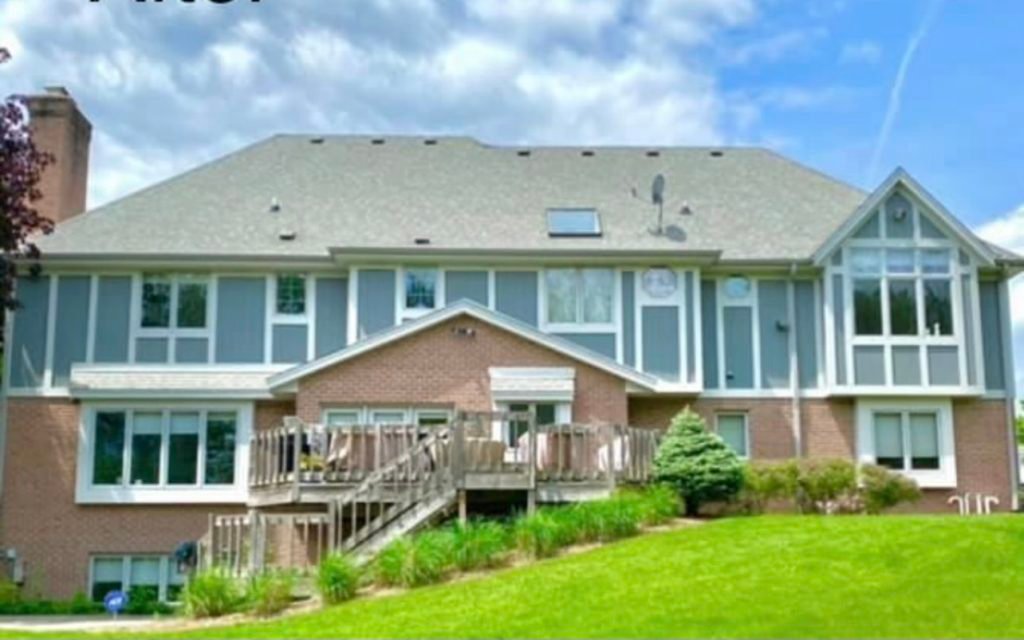 Roofing - T&J
Metal pairs naturally with exterior work that often runs alongside a re-roofing project like trim and fascia. Ask directly: "If I go metal, have you handled ARB approval in my municipality before, and how long did it take?"
Pre-1978 Homes: Lead-Safe Rules Add Another Layer
If your home was built before 1978, there's a requirement most low-ball bids ignore. Under ch. DHS 163, Wisconsin's lead-safe renovation rule, work that disturbs 20 sq. ft. or more of exterior paint on a pre-1978 dwelling triggers mandatory lead-safe training and certification (DSPS Online Building Permit System). Roofing work on an older home almost always crosses that threshold once you factor in fascia, soffit, and edge work.
What that means in practice: the contractor must hold lead-safe renovation certification, and the crew has to follow specific containment and disposal procedures the EPA's Renovation, Repair and Painting program lays out. That's labor and materials a non-certified crew doesn't price in.
ch. DHS 163 applies to dwellings built before 1978 once a project disturbs 20 sq. ft. or more of exterior paint (DSPS Online Building Permit System). If your contractor doesn't mention lead-safe compliance on an older home, the scope is legally incomplete, and the liability can land on you, not them.
We quoted a 1974 home in Waukesha where the homeowner's first bid missed lead-safe compliance entirely. We caught it, added the line, and the job passed inspection on the first try, which is the whole point of getting it right up front. For a pre-1978 home, ask: "Is your crew lead-safe certified, and is that in this scope?"
What Happens During Inspection
A permitted re-roof ends with a municipal inspection, and knowing what the inspector looks for helps you understand why a complete bid costs more. The inspector verifies the work matches the permitted scope: proper tear-off where required, sound roof decking, correct underlayment and ice-and-water shield at the eaves, properly installed flashing around chimneys and valleys, and adequate ventilation. On older homes, they'll also confirm lead-safe procedures were followed.
Common fail points are predictable: missing or undersized ice-and-water shield, flashing that's been reused instead of replaced, decking left in place when it should have been swapped, and, the big one, a third layer of shingles laid over an existing two layers in violation of state rule. A low-ball bid that cut these corners doesn't pass. The work gets flagged, and the homeowner is the one stuck arranging the redo.
A re-roof on a two-layer house without tear-off can't legally pass inspection, the third layer fails on sight.
When a contractor pulls the permit, they own the inspection. When you pull it, you own the failure. That's the quiet reason credentialing matters.
What a Complete Roofing Bid Looks Like vs. a Low-Ball One
This is the whole ballgame for a three-bid shopper. The lowest number on paper is rarely the lowest number you actually pay.
A complete roofing bid includes:
- A permit pulled by a contractor with current DCQ and DC credentials
- A tear-off line item if your roof already has two shingle layers
- The ARB approval process noted if you're going metal
- Lead-safe certification and procedures if your home predates 1978 (DSPS Online Building Permit System)
- Contractor bonding and insurance per s. 101.654(2)(a) (DSPS Online Building Permit System)
- A realistic start date that accounts for the permit review window (DSPS Online Building Permit System)
A low-ball bid omits:
- The permit, or quietly leaves it for you to pull
- Tear-off when your roof needs it
- The ARB step on metal
- Lead-safe compliance on an older home
So when you're staring at a higher quote and a lower one asking, "Why is yours more?", the honest answer is usually that the gap is these line items. The cheaper bid didn't find a magic discount. It left things off the page that the job still requires, and you'll pay for them either way: as a planned line item now, or as a change order, a failed inspection, or a denied insurance claim later.
Wisconsin even codified the warning. Under 101.65(lr), municipalities enforcing the UDC must give permit applicants a cautionary statement about contractor bonding and insurance (DSPS Online Building Permit System), the state effectively telling homeowners to check this before they sign.
Not sure if your bid is complete? Call (262) 352-9525 for a free scope review, we'll spot the gaps before you sign.