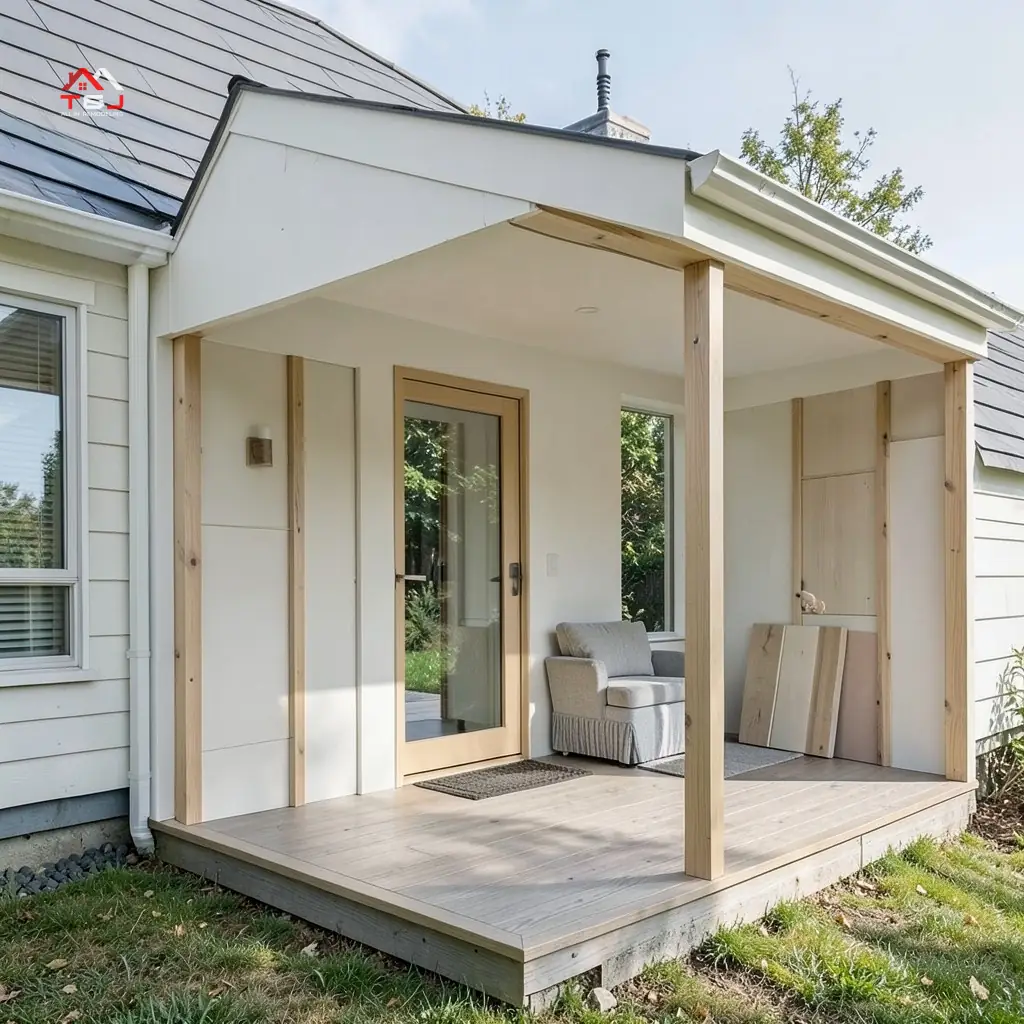
 Addition project - T&J
Yes, You Need a Permit, Here's Why It Matters for Your Bid
The Uniform Dwelling Code is the statewide rulebook for new construction and additions to one- and two-family homes (Residential Addition) (Residential Additions & Alterations). Every material and structural element has to meet it, no matter which Waukesha County town you live in. On top of the UDC, your local zoning office adds setbacks, lot coverage, and height limits. Think of the UDC as the floor and local zoning as the ceiling. Both get cleared before a permit issues.
Here's why this matters when you hold two or three quotes. Permit fees vary by town and by the square footage you add, so there's no flat statewide number, ask each building department directly. But the fee isn't the real point. The real point is who pulls the permit and who attends the inspections. A contractor who builds that into the scope is quoting the actual job. One who leaves it off looks cheaper on paper and isn't.
When you scope home addition projects in Waukesha County, treat permit handling as a line item you check for on purpose.
A low square-foot price with no mention of permits isn't a discount, it's a scope gap. The work still has to be permitted and inspected. The only question is whether you pay for it now or scramble for it mid-project.
What Triggers a Permit: Scope That Always Requires One
The threshold is simple. Any addition that expands your building footprint, adds heated and cooled square footage, or touches structural elements needs a building permit. A kitchen bump-out, a second story over an attached garage, a full in-law suite, all of it.
What catches homeowners off guard is the sub-trade permits that ride along with the building permit. These are separate, and they matter:
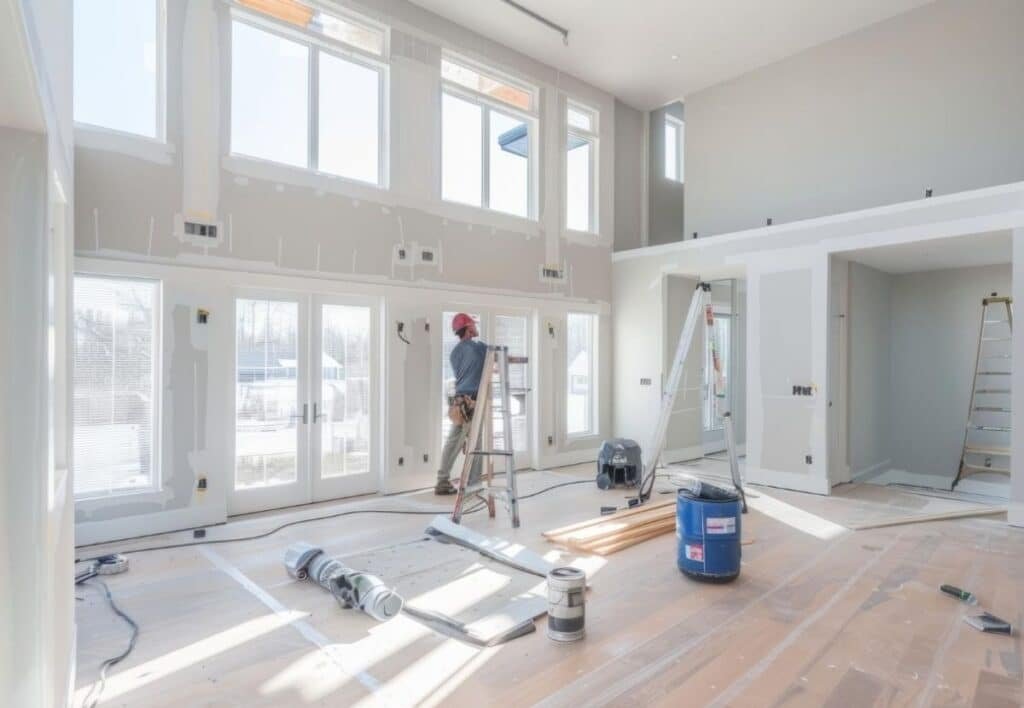 Addition - T&J
Want this priced for your addition?
John walks your space, measures it, and leaves a written itemized estimate. No cost, no obligation, no sales script.
- HVAC permit, required any time ductwork is extended into the new space (Residential Additions & Alterations). It is not bundled under the building permit.
- Plumbing permit, in Waukesha, only a licensed plumbing contractor may pull it and do the work (Residential Additions & Alterations).
- Electrical permit, same rule: licensed electrical contractor only (Residential Additions & Alterations).
That's three possible permits beyond the building permit, each with its own inspection. When a quote says "includes all permits" as one tidy line, push on it. Ask which permits, and pulled by whom. A contractor who can't name the licensed subs hasn't lined them up yet.
Ask every contractor this exact question, "Does your quote include the building permit AND the separate HVAC, plumbing, and electrical permits, and who are the licensed subs pulling them?" A complete contractor answers in ten seconds. A low-baller gets vague.
If your addition is mostly a bathroom expansion, the permit logic shifts a little, here's how Wisconsin permit rules apply to bathroom additions and expansions.
Required Documents: What You Submit to Get Approved
The submission package is bigger than most homeowners expect, and it's the first place a low bid quietly shifts work onto you. There are four core pieces:
- Plat of survey, a scaled map of your lot showing property lines, existing structures, and the proposed addition drawn to scale (Residential Additions & Alterations) (Residential Additions). It's the legal proof your addition sits inside your setbacks. Missing or not to scale, and the application bounces.
- Construction plans, floor plans, elevations, cross sections, and construction details (Residential Additions). Vague plans are the most common reason a permit gets kicked back.
- Shear wall bracing plan, the detailed drawing of how the structure resists lateral wind and load forces (Residential Additions). Inspectors always check it.
- Structural calculations for trusses, I-joists, and complex microlam (laminated beam) members, when the design requires them (Residential Additions). An engineer usually stamps these.
Two more conditions can apply. Before approval, the addition has to clear local zoning setbacks, and if your property is a designated landmark, sits in a special district, or carries specialized zoning, expect additional approvals.
If your property runs on a private septic system, Waukesha County requires a Preliminary Site Evaluation (PSE) before the building permit issues (Residential Additions). A PSE is the county's check that your existing on-site sewage system can handle the added load, skip it and the permit stalls. The same UDC document standards apply statewide; the Wisconsin DSPS administers the code.
The takeaway: preparing or coordinating all of this, survey, plans, bracing, calcs, PSE, is real work, often involving an architect or engineer. A bid that leaves document prep "to the homeowner" isn't cheaper, it hands you a part-time project-management job you didn't sign up for.
The Inspection Sequence: What Happens After Permit Approval
Once the permit issues, the build moves through a fixed inspection sequence. In Menomonee Falls, a representative Waukesha County municipality, it runs like this (Residential Additions):
Footing inspection
, after excavation, before any concrete is poured.
Foundation inspection
, before backfilling.
Rough carpentry inspection
, framing, before it's covered.
Insulation inspection
, before drywall goes up.
Final inspection
, the sign-off that makes the space legal to occupy.
Each of these is a hard gate. Work can't legally move past a stage until the inspector signs off, because each one covers work the next stage hides. That's why scheduling discipline matters: a missed or failed inspection doesn't cost an hour, it can cost days while you wait for the next slot. Menomonee Falls requires 24 hours' advance notice to guarantee an inspection time (Residential Additions).
This is also where code details get caught. The UDC requires a minimum of 76 inches of headroom clearance measured from the nosing of the treads to anything overhead (Residential Additions & Alterations), with riser height and tread depth set by SPS 321.04 (Residential Additions & Alterations). (A riser is the vertical face of each step; the tread is the part you step on.) An experienced framing crew catches a headroom or stair-geometry issue before the inspector arrives, that's the difference between a clean pass and a week of lost time. The full code text lives in the Wisconsin Administrative Code SPS chapters.
Step-by-Step Permit Timeline: From Application to Final Inspection
Here's the whole workflow in one place, so you can see where the days go:
Document prep (varies):
Survey, construction plans, shear wall bracing plan, structural calcs, and, if you're on septic, a Waukesha County PSE (Residential Additions & Alterations) (Residential Additions). This stage runs as fast or slow as your contractor and engineer move.
Permit submission and processing (5-7 business days):
In Menomonee Falls, processing takes 5 to 7 business days after a complete application is submitted (Residential Additions). Incomplete? It gets returned and the clock resets.
Permit issued, break ground.
Footing → foundation → rough carpentry → insulation → final
(Residential Additions), each needing 24 hours' advance notice (Residential Additions).
Final inspection passed, legal to occupy.
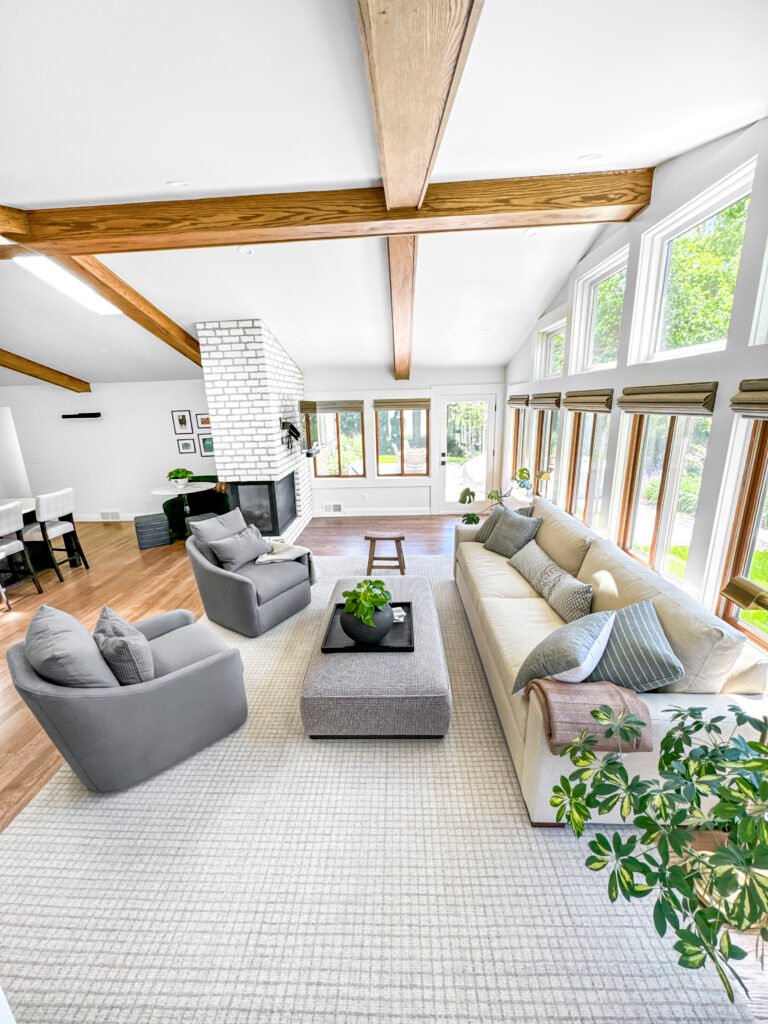 Addition - T&J
Permit processing runs 5-7 business days after a complete submission, but only if nothing is missing (Residential Additions).
The big lesson: permit time is separate from construction time. Build the 5-7 day processing window, plus document prep and any zoning or PSE review, into your schedule before you plan a groundbreaking date. Fees and timelines vary by town, so confirm specifics with the building department where your home sits. A contractor who has worked in that municipality already knows the local quirks.
Contractor Licensing: What to Check Before You Sign
To pull a building permit for a residential addition in Waukesha, the contractor must hold a Dwelling Contractor (DC) certification (Residential Additions & Alterations). The qualifying credential behind it, the Dwelling Contractor Qualifier (DCQ), may be held by a current employee of the firm (Residential Additions & Alterations). In plain terms: the DC is the company's license to do the work, and the DCQ is the certified individual who backs it.
The comparison-shopper move is blunt and effective: ask every contractor for their DC number before you sign, and verify it through the Wisconsin DSPS credential lookup. A contractor who can't produce that credential can't legally pull the permit, which means your project either stalls or proceeds illegally, and you own both outcomes.
The most common gap in a low bid isn't a thinner margin, it's a contractor who isn't DC-certified and was planning to have you pull the permit as the homeowner. That shifts the code-compliance liability onto you at every inspection stage.
You can file the building permit application yourself if you reside at the job address (Residential Additions & Alterations). But that's only the building permit, licensed trade work like plumbing and electrical still requires permits pulled by licensed contractors, no matter who owns the home (Residential Additions & Alterations). For most homeowners, letting a DC-certified general contractor manage the full package is the cleaner path. At T&J, John, our co-founder and project manager, and a credited contractor in the state of Wisconsin, handles every permit submission personally, so the package goes in correctly the first time.
What a Complete Bid Includes vs. What a Low Bid Leaves Out
Here's the checklist to run your quotes through, side by side. A complete scope includes:
- Permit fees and permit pulling, building permit plus separate HVAC, plumbing, and electrical permits where the work triggers them (Residential Additions & Alterations).
- Plan preparation or coordination, survey, construction plans, shear wall bracing, structural calcs (Residential Additions).
- Inspection scheduling and attendance, someone tracking the 24-hour-notice calendar and meeting the inspector on site (Residential Additions).
- A contingency line item, 10-15% is the recommended range for Wisconsin additions to absorb material and labor swings.
- Sub-trade coordination, named, licensed HVAC, plumbing, and electrical contractors (Residential Additions & Alterations).
A bid that omits permit fees, leaves plan prep to you, or won't name its licensed subs isn't a lower price, it's a shorter scope. The difference shows up as change orders once you're committed.
So when you ask us "Why is your quote higher than the other guy's?" the honest answer is almost always: it's what's included, not the hourly rate. Add the omitted permits, the document prep, the inspection management, and a real 10-15% contingency back into the cheap bid, and the two numbers converge, except now you've got surprises mid-project.
Questions to Ask Every Contractor Before You Decide
Use these word for word. They surface the gap between a complete contractor and a low-baller faster than anything else:
Are you DC/DCQ certified in Wisconsin, can I see the credential?
Does your quote include pulling the building permit and all sub-trade permits?
Who prepares the construction documents for permit submission?
How do you handle inspection scheduling, will you be on site for each one?
What's your contingency policy if material costs shift mid-project?
Have you built additions in this municipality before, do you know their submission requirements?
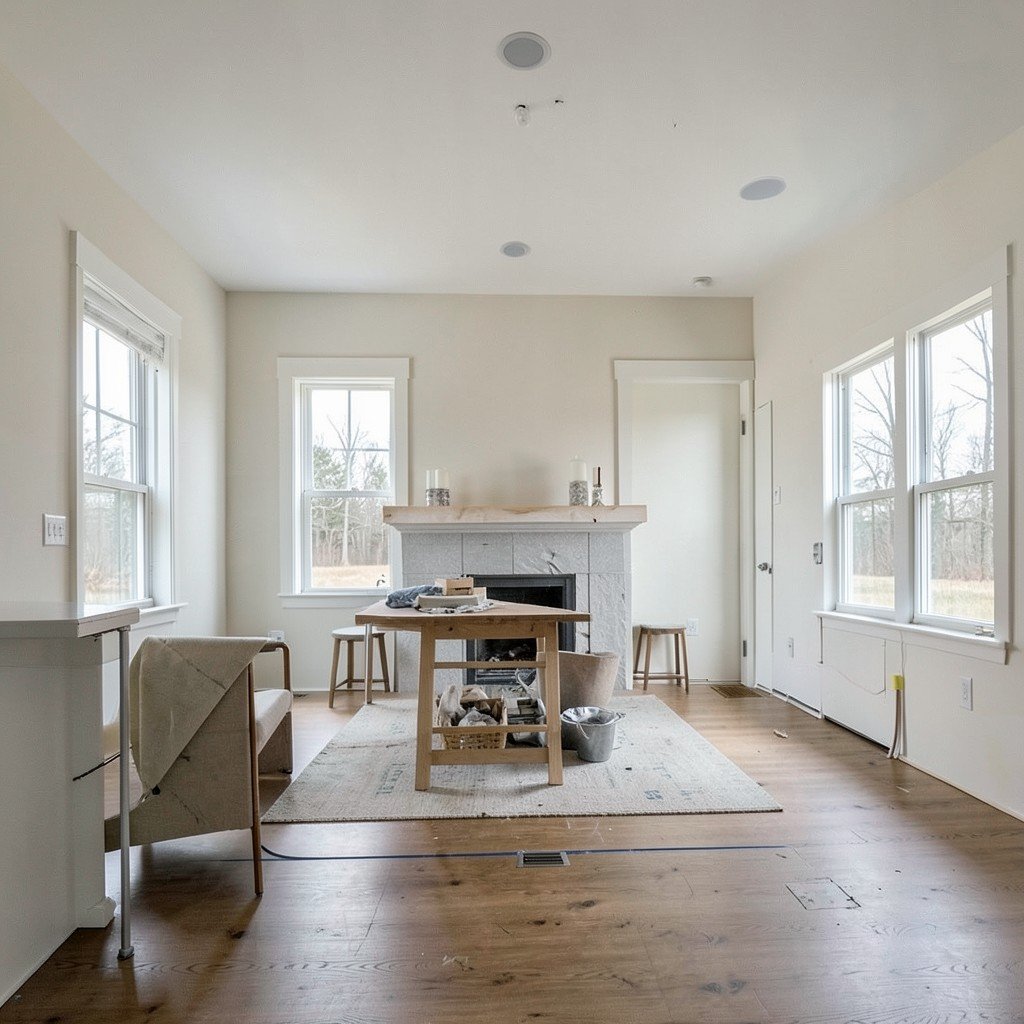 Addition - T&J
A contractor who answers all six cleanly is quoting the real job. One who deflects is quoting a fragment. If you'd like a straight set of answers to compare against your other quotes, our free in-home consultation is built for exactly that, no obligation, no sales call. Call (262) 352-9525.
Next Step: Get a Transparent Quote for Your Wisconsin Addition
The permit process is genuinely straightforward when your contractor knows it cold. T&J, a father-son team (Telli and John), handles permit pulling, inspection scheduling, and licensed sub-trade coordination on every addition we build across Waukesha County. If you're still weighing a home addition against buying a larger house, the permit timeline is one more real factor. When you're ready, schedule a free in-home consultation, no cost, no obligation. Call (262) 352-9525.
Frequently asked questions
Can I pull my own home addition permit in Wisconsin?
If you reside at the job address in Waukesha, you may submit the building permit application yourself (Residential Additions & Alterations), but that's only the building permit. Licensed trade work (plumbing, electrical, HVAC) requires permits pulled by licensed contractors in those trades, regardless of who owns the home (Residential Additions & Alterations). The deeper issue is liability: the UDC holds the permit applicant responsible for code compliance at every inspection stage. Pull it yourself, hire an unlicensed sub, and you own the problem when the inspector flags the work.
How long does it take to get a home addition permit in Wisconsin?
In Menomonee Falls, processing takes 5 to 7 business days after a complete application is submitted (Residential Additions). The reviewer is checking structural calcs, zoning and setback compliance, and, on septic properties, the PSE for sewage capacity. If any piece is missing, the application gets returned and the clock resets to zero. Factor in document-prep time before submission, plus any zoning or PSE review, so plan the full permit phase as its own block separate from construction.
What documents do I need to submit for a Wisconsin home addition permit?
The standard package is a plat of survey with the addition drawn to scale, construction plans (floor plans, elevations, cross sections, details), a detailed shear wall bracing plan, and structural calculations for trusses, I-joists, and complex microlam members when required (Residential Additions). Properties on private sewage systems in Waukesha County also need a Preliminary Site Evaluation (PSE) from the county before the building permit issues (Residential Additions). A missing piece bounces the whole application, so your contractor should prepare or coordinate all of it.
What inspections are required for a home addition in Wisconsin?
The required sequence in Waukesha County municipalities is: footing inspection (after excavation, before concrete), foundation inspection (before backfilling), rough carpentry inspection, insulation inspection (before drywall), and final inspection (Residential Additions). Each stage is a hard gate, work can't proceed until the inspector signs off, because each covers work the next stage hides. In Menomonee Falls you must give 24 hours' advance notice to schedule (Residential Additions), so a missed or failed inspection adds days.
Does a home addition in Wisconsin need to meet the Uniform Dwelling Code?
Yes, the Wisconsin Uniform Dwelling Code (UDC, Admin Code SPS 320-325) governs all new construction and additions to 1- and 2-family dwellings statewide (Residential Addition) (Residential Additions & Alterations). Every material, appliance, and construction element must meet UDC requirements regardless of municipality (Residential Additions & Alterations). Local zoning adds a second layer, setbacks, lot coverage, height limits. The UDC is the floor and local zoning is the ceiling; both must be satisfied before a permit issues and a final inspection passes.
What contractor license is required to build a home addition in Wisconsin?
In Waukesha, the contractor must hold a Dwelling Contractor (DC) certification to pull a building permit for a residential addition (Residential Additions & Alterations). The Dwelling Contractor Qualifier (DCQ), the individual holding the qualifying credential, may be a current employee of the DC firm (Residential Additions & Alterations). Before signing, ask for the DC number and verify it with the Wisconsin Department of Safety and Professional Services (DSPS). A contractor who can't produce this credential can't legally pull the permit.
Why does a home addition need a separate HVAC permit in Wisconsin?
Any ductwork extension into the new addition requires a separate HVAC permit in Waukesha, it's not covered under the building permit (Residential Additions & Alterations). The reason is code accountability: HVAC systems affect indoor air quality, combustion safety, and energy efficiency, so the state requires a licensed HVAC contractor to pull their own permit and have the work inspected independently. If a quote bundles HVAC into a lump sum without mentioning a separate permit, ask whether a licensed HVAC sub is included.