 Interior_General project - T&J
The Short Answer: What $100k Actually Buys in 2026
Here's a fast-read snapshot before we go deeper:
| Project | Realistic 2026 Range (Waukesha County) | What $100k Covers |
|---|---|---|
| Full mid-range kitchen remodel | $55k-$80k | Fully funded, with room for upgrades |
| Kitchen + one bathroom | $75k-$110k | Fully funded at mid-range finishes |
| Basement finish + one bath | $60k-$90k | Fully funded at mid-range finishes |
| Whole-home cosmetic refresh | $40k-$75k | Fully funded with budget to spare |
| Full gut renovation (1,500 sq ft) | $150k-$300k+ | Partial, not enough on its own |
| Home addition | $120k-$250k+ | Partial, not enough on its own |
The honest framing: $100k is a strong, targeted budget. Spend it on the one or two rooms that drive the most daily frustration, or the most resale value, and it goes a long way. Spread it thin across every room and nothing gets done right.
We work across Waukesha County, Brookfield, New Berlin, Elm Grove, Pewaukee, and beyond, and see similar housing stock and labor rates throughout the region. A 1960s ranch in New Berlin and a 1970s split-level in Elm Grove present nearly identical cost profiles for a kitchen or bath remodel.
A full gut renovation of a 1,500 sq ft home in the greater Milwaukee market typically runs $150k-$300k+. $100k is better deployed on targeted, high-impact rooms.
Project-by-Project Breakdown: Where $100k Goes
Think of a 1960s Brookfield split-level with an original kitchen, one updated bath, and a partially finished basement, that's the housing stock we work in most often. Here's how $100k maps to each project type.
Full Kitchen Remodel
 Interior_General - T&J
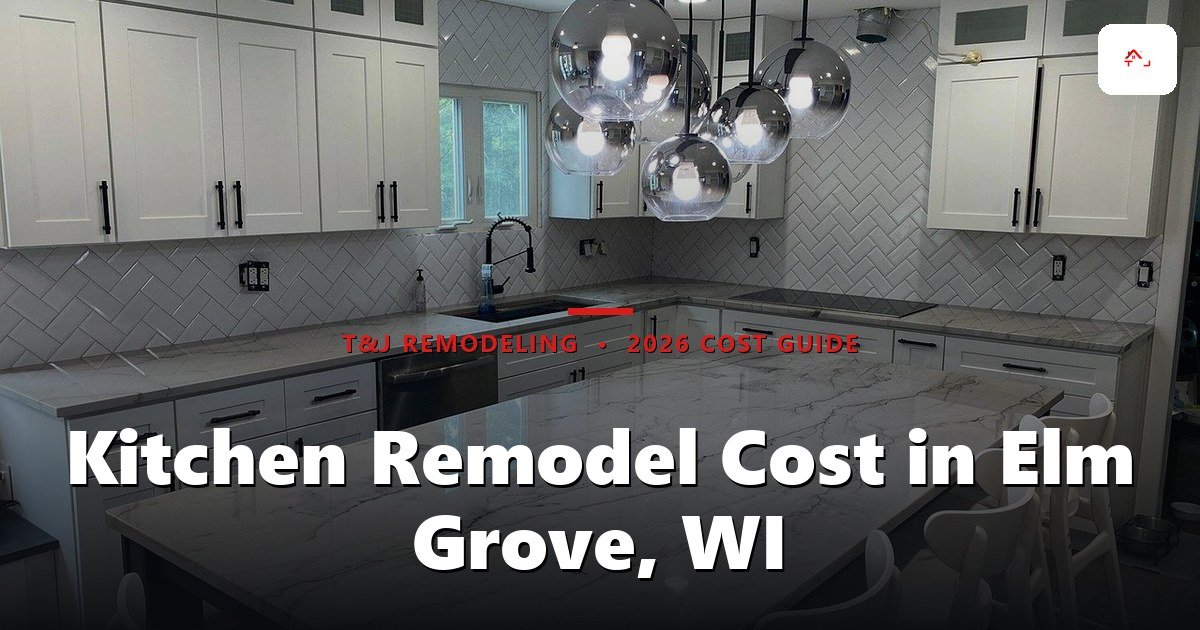
A mid-range kitchen remodel, semi-custom cabinetry, quartz or granite countertops, tile backsplash, updated fixtures, new appliances, and hardwood or LVP flooring, typically lands in the $55k-$80k range in this market. $100k funds this comfortably and leaves room for upgrades: a larger island, under-cabinet lighting, or a higher-end appliance package.
Want this priced for your interior_general?
John walks your space, measures it, and leaves a written itemized estimate. No cost, no obligation, no sales script.
What pushes cost up: moving the sink or range (new plumbing or gas rough-in), vaulting the ceiling, or going full custom cabinetry. What keeps it lower: keeping the existing layout, stock or semi-custom box cabinets, and laminate countertops.
Labor typically accounts for 35-50% of a kitchen remodel. Cabinets alone can run $15k-$40k depending on the line. Countertops add $3k-$8k for quartz. Appliances are a wildcard: a basic package runs $4k-$6k; a premium package can double that.
If you're planning a kitchen remodel and suspect you'll want recessed lighting or a range hood vent later, have the electrician rough in the circuits while the ceiling is already open. It costs a few hundred dollars now versus a few thousand in demo and drywall repair later.
Kitchen + One Bathroom
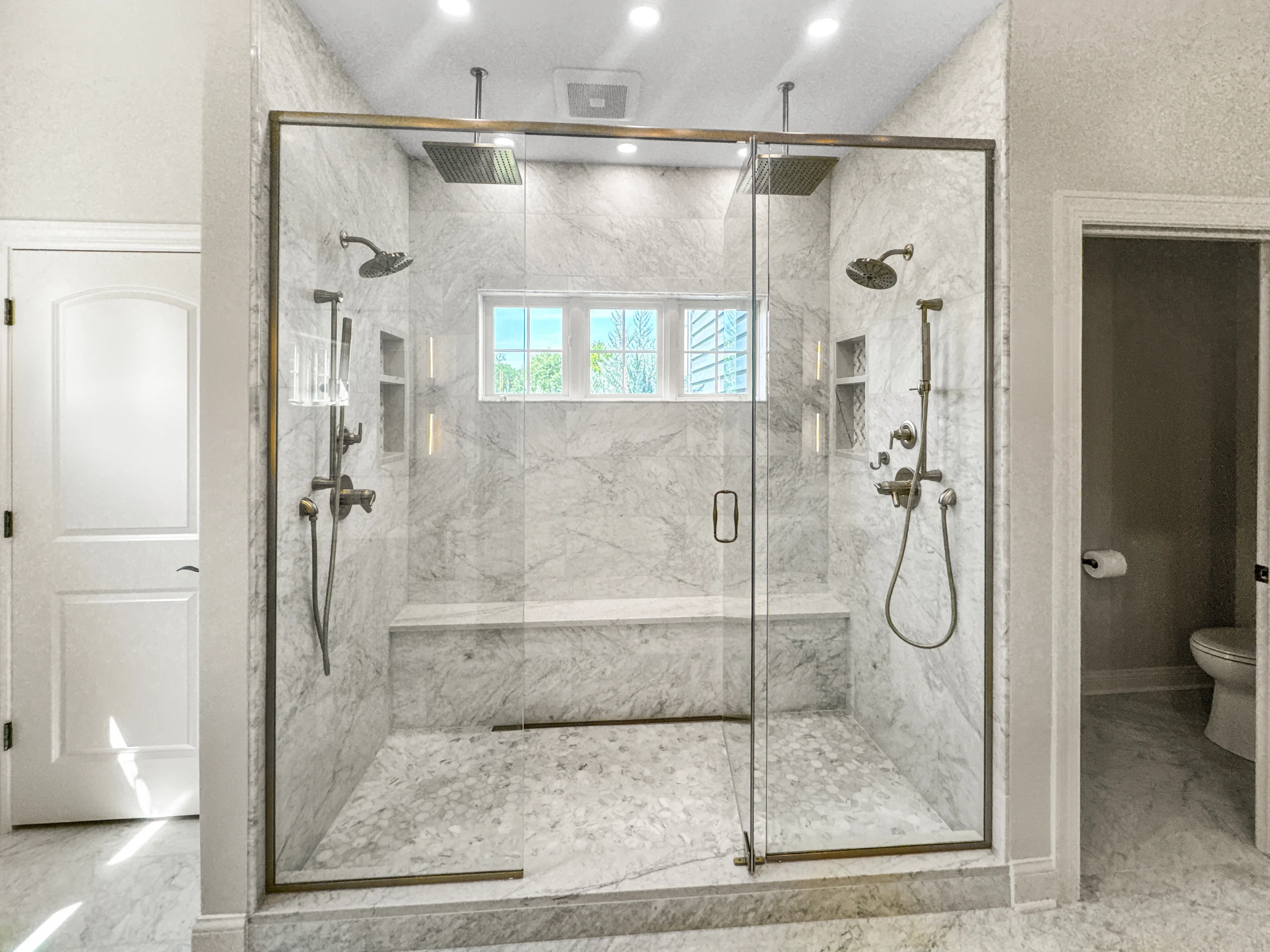
This is the most common $100k scope we see, and the highest-ROI allocation for homeowners planning to sell within five years. A mid-range primary bath (new tile shower or tub surround, vanity, toilet, fixtures, exhaust fan, and flooring) runs $25k-$40k. Paired with a $55k-$65k kitchen, you're at $80k-$105k, right in the $100k window at mid-range finishes.
We recently completed a kitchen-and-bath remodel in Wauwatosa for a 1970s ranch, $98k total, 12-week timeline. The homeowners kept the existing plumbing layout in both rooms, which held costs down and kept the project on schedule. That's the move when budget discipline matters.
The constraint: if the bathroom requires moving plumbing, relocating the toilet flange, rerouting drain lines, costs jump $5k-$15k depending on access. A cosmetic bath update that keeps all fixtures in place is the budget-friendly path.
Basement Finish + One Bath
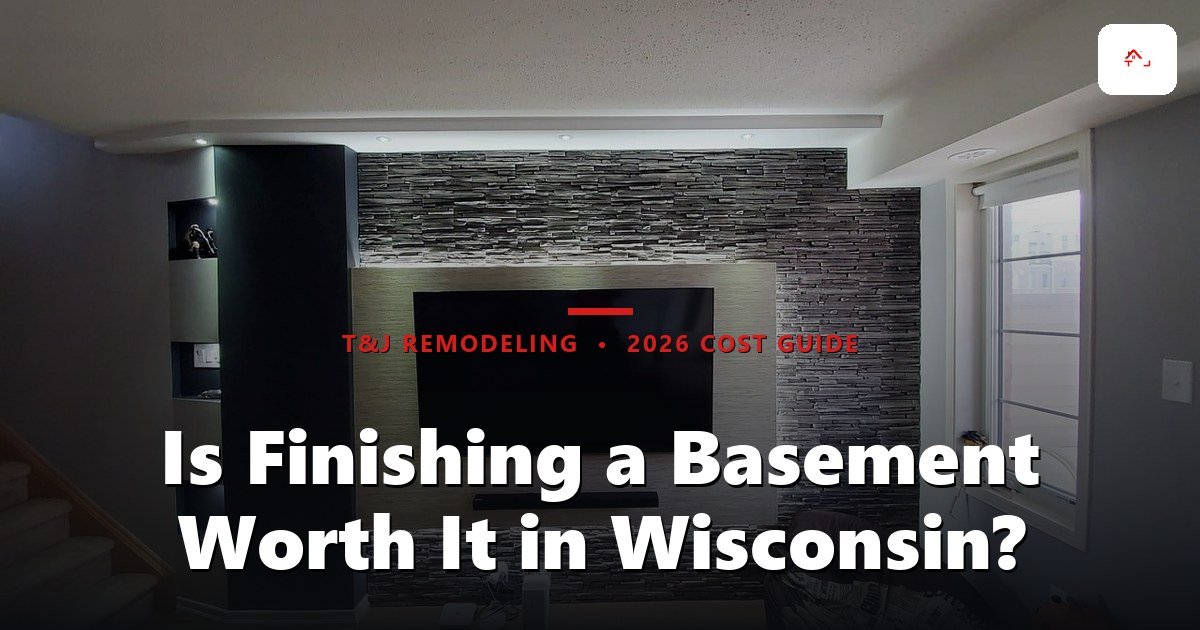
A finished basement, framed walls, R-19 batt insulation (fiberglass batts cut to fit between studs, the standard for below-grade walls per Wisconsin Residential Code energy requirements), drywall, LVP flooring, and basic lighting, runs roughly $30k-$55k for a typical 800-1,200 sq ft unfinished space. Add a 3/4 bath (shower, toilet, vanity) and you're at $50k-$80k, well within $100k.
Wisconsin Residential Code energy provisions require basement walls to meet minimum insulation thresholds. R-19 batt insulation between 2×6 studs is a common compliant approach; your building inspector will verify at the framing inspection. Budget permit fees of roughly $500-$1,500 for a basement finish project in most Waukesha County municipalities.
For a deeper look at what a finished basement project typically includes, see our page on what a finished basement project typically includes.
Basements are one of the few places where $100k can genuinely transform a home's livable square footage, adding a family room, home office, or guest suite that didn't exist before.
Whole-Home Cosmetic Refresh
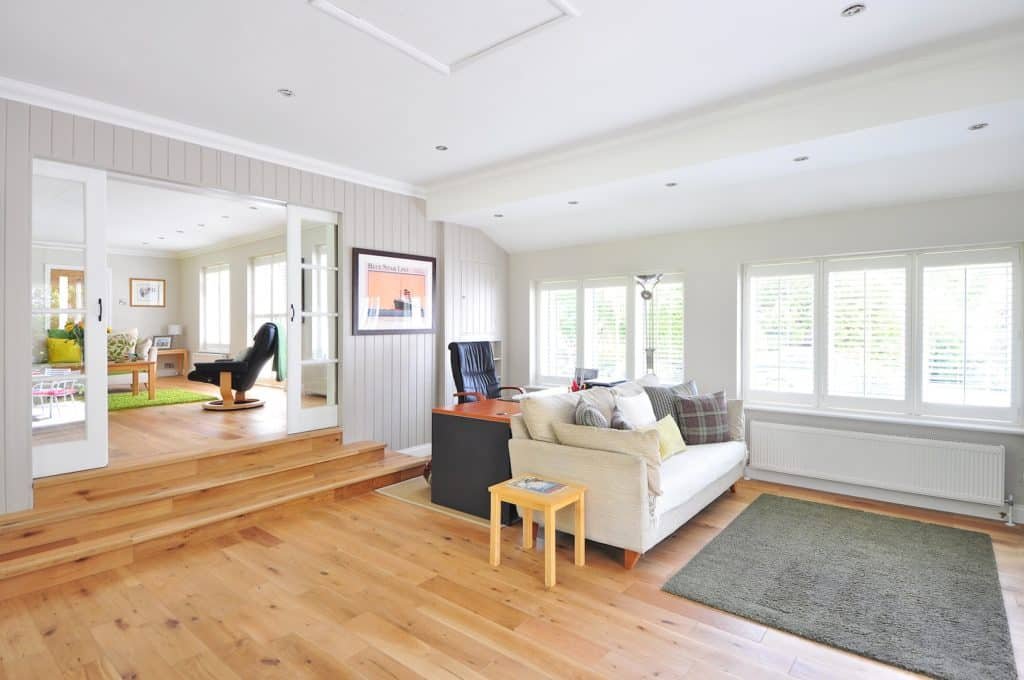
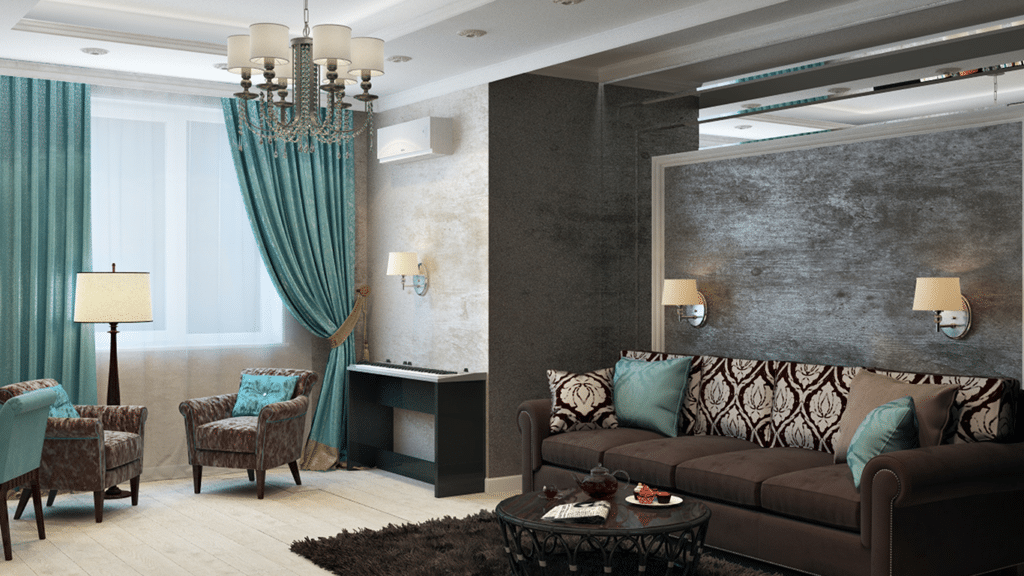
New LVP or hardwood flooring throughout, fresh paint on every wall and trim, updated light fixtures, new interior doors and hardware, and bathroom fixture swaps, this scope typically runs $40k-$75k for a 1,500-2,000 sq ft home. $100k covers it with room for a kitchen cabinet repaint or refacing and new countertops.
This is the right call for a home that's structurally sound but dated, and for homeowners who want the least disruption possible.
Cosmetic refreshes can uncover hidden issues once walls or floors open, old knob-and-tube wiring, galvanized plumbing, or subfloor rot. Budget a 10-15% contingency on any project touching walls or floors in a home built before 1980. In Waukesha County's older housing stock, this contingency gets used more often than not.
What Does $100k Cost Per Month? Financing Framed Honestly
Most homeowners don't think in project totals, they think in monthly payments. Here's illustrative math for three common financing structures, based on Q4 2025 market rate conditions as a baseline. These figures are examples only, your actual rate depends on your credit score, LTV, and lender. Contact your bank or credit union for current 2026 rates before budgeting.
| Financing Product | Illustrative Rate | Term | Est. Monthly Payment |
|---|---|---|---|
| HELOC (interest-only draw period) | 8.5% | Draw period only | ~$708/month |
| Fixed home improvement loan | 9.0% | 10 years | ~$1,267/month |
| Home equity loan / fixed rate | 7.5% | 15 years | ~$927/month |
A HELOC (Home Equity Line of Credit, a revolving credit line secured by your home's equity, with a variable rate tied to the prime rate) gives you flexibility: draw what you need, pay interest only during construction, then pay down principal afterward. The trade-off is that the rate floats, if prime rises, your payment rises with it.
A fixed home improvement loan locks your rate at origination. Higher monthly payment, but fully predictable. Better for homeowners who want a defined payoff date and no rate surprises.
LTV (loan-to-value ratio, your total mortgage debt divided by your home's appraised value) determines how much equity you can access. Most lenders allow a combined LTV of 80-90%, meaning a $400k home with $250k owed has roughly $110k-$130k in accessible equity at that range.
For a fuller breakdown of your options, our guide to home remodel financing options walks through HELOCs, home equity loans, and personal loan products side by side.
We walk every client through what the project costs before they commit to anything, so you know the monthly number before you sign, not after.
The Phasing Option: Stretch $100k Across Two Years
Phasing is the right move for a lot of Waukesha County homeowners, especially those who want the full kitchen-plus-bath scope but prefer to finance a smaller amount each year rather than drawing $100k at once.
A typical two-phase sequence:
- Year 1: Full kitchen remodel, $55k-$70k
- Year 2: Primary bath remodel, $30k-$45k
Benefits are real: smaller financing draw each year, less household disruption (one room at a time), and time to save cash between phases. A $60k HELOC draw in year one at an illustrative 8.5% interest-only runs roughly $425/month, meaningfully more manageable than a $100k draw.
The one practical rule for phasing: plan both phases before you start the first one. A good contractor can rough-in plumbing or electrical for the future bathroom while the kitchen walls are already open, a few hundred dollars in pipe or conduit now saves thousands in demo costs when you come back to the bath. Improvising phases after the fact means paying twice for the same wall.
Phasing does add some overhead, each project carries its own mobilization costs (setup, protection, cleanup, permit fees). That's real. But for cash-flow management, it's almost always worth it.
When planning a phased remodel, ask your contractor to photograph all rough-in locations and concealed work before walls close. Two years later, those photos save hours of guesswork and protect you if a different crew does phase two.
ROI Reality Check: Will $100k Add Value at Resale?
ROI in remodeling, the percentage of project cost recovered in added home value at resale, not a dollar-for-dollar return, is never guaranteed. Here's where $100k-scale projects typically land, using Remodeling Magazine's Cost vs. Value benchmarks as a 2026 baseline, adjusted modestly for 2026 material and labor inflation:
- Minor kitchen remodel: ~80% ROI
- Major kitchen remodel: ~60-65% ROI
- Bathroom remodel: ~55-70% ROI
- Basement finish: ~65-75% ROI
 Interior_General - T&J
For Waukesha County specifically: the $400k-$700k price band dominates much of Brookfield, Pewaukee, and Elm Grove. Buyers in that range expect updated kitchens and baths, homes without them sit longer and negotiate lower. A finished basement adds meaningful square footage in a market where buyers compare price per finished square foot.
The honest caveat: over-improving for the street hurts ROI. If comparable homes on your block sell at $450k, a $100k kitchen with custom cabinetry and commercial appliances won't return full value, the neighborhood price ceiling caps it. John and Telli have seen this play out on enough Waukesha County projects to say it plainly: know your comps before you spec the finishes.
For homeowners considering adding square footage to boost value, it's worth exploring home addition projects in Waukesha County to understand what that scope actually costs before assuming $100k is enough.
How to Allocate $100k: A Simple Decision Framework
Three questions get you to the right answer faster than any spreadsheet:
1. What's your primary pain point, function, aesthetics, or space? Function (a kitchen that doesn't work, a bathroom with no storage) → fix the broken room first. Aesthetics (dated finishes, worn flooring) → whole-home refresh or kitchen-first. Space (not enough of it) → addition or basement finish, but check whether $100k is realistic for the scope before committing.
2. Are you staying 5+ years or selling within 3? Staying long-term → prioritize what you'll use and enjoy daily. Selling soon → kitchen + bath refresh for ROI, keeping finishes mid-range and on-trend for your price point.
3. Can you absorb disruption to one room at a time, or do you need the whole project done at once? One room at a time → phase it (see above). Need it done at once → scope a single high-impact project and do it right rather than spreading $100k thin across too many rooms.
Example mappings:
- Staying 10 years + functional kitchen pain = full kitchen remodel first, bath in year two.
- Selling in 2 years = kitchen + bath refresh, mid-range finishes, strong ROI allocation.
- Need more space = addition consultation first to confirm whether $100k is realistic for your specific home.