Kitchen project - T&J
Most Wisconsin kitchen remodels land at $13,000-$33,000 for 2026, averaging around $22,000 for a full remodel, which works out to a monthly payment in the low-to-mid hundreds depending on your rate and term. If you've decided the kitchen needs work but you're stuck on whether you can afford it, you're in the right place. If you're comparing contractors right now, this guide covers what your project should cost per month, which financing products Wisconsin homeowners actually use, and how to vet the numbers before you sign anything.
We've helped homeowners across Waukesha County, the Milwaukee metro, and communities like Brookfield and Shorewood work through every option covered here since T&J All In Remodeling opened its Wisconsin doors in 2016. We're a licensed and insured Wisconsin remodeling contractor, and John, our co-founder and project manager, walks each client through scope and budget before a loan application ever goes out, so the number you borrow matches the number you spend.
What Does a Kitchen Remodel Actually Cost in Wisconsin, and What Does That Mean Per Month?
A typical Wisconsin kitchen remodel runs $13,000-$33,000, with a full remodel averaging about $22,000. Our labor and material costs sit in this range because skilled-trade wages and cabinet lead times in the Milwaukee metro track the broader Midwest, not the coastal spikes. Madison and Green Bay homeowners see similar numbers. What matters to most people isn't the lump sum, it's the monthly number.
Here's the real-world math: a $22,000 loan over 5 years at 10% APR runs about $415 a month. Stretch that to a 7-year term and the monthly drops, but you pay more interest overall. Use our kitchen remodeling cost estimate calculator to plug in your exact scope and rate, then we'll walk you through the monthly payment options so there are no surprises.
The average full kitchen remodel in the Milwaukee metro runs about $22,000, the number to anchor your monthly-payment math on.
The 5 Financing Options Wisconsin Homeowners Use Most
Wisconsin homeowners fund kitchen remodels five main ways: a HELOC, a home equity loan, a personal (unsecured) loan, contractor-arranged financing, or a 0% intro credit card for small phases. Which one fits depends on how much equity you have, your credit tier, and how fast you need the money. Equity-based products carry the lowest rates because your home secures the loan. Personal loans cost more but fund fast and risk nothing but your credit. Contractor programs are convenient at the point of sale. Credit cards only make sense for a slice under $5,000. Below is how each one works in practice, so you can match the product to your project before you sign.
1. HELOC (Home Equity Line of Credit)
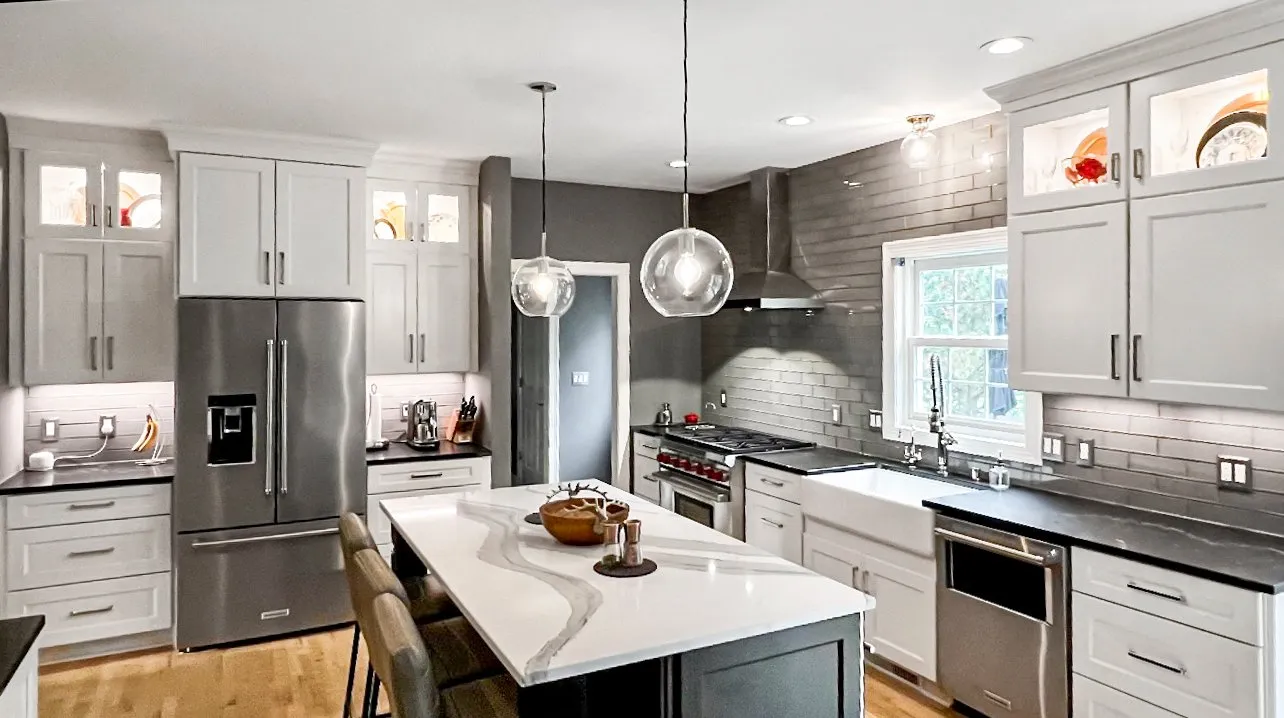 Kitchen - T&J
Best for homeowners with real equity built up. A HELOC is a revolving line secured by your home, usually capped by your loan-to-value (LTV: your total mortgage balance divided by the home's appraised value, generally capped around 80-85%). Rates are variable and the lowest of the five. The draw period lets you pull funds as the project moves along, which pairs well with a phased remodel. Downside: closing takes a few weeks and your house is collateral.
Want this priced for your kitchen?
John walks your space, measures it, and leaves a written itemized estimate. No cost, no obligation, no sales script.
2. Home Equity Loan
Same collateral as a HELOC, but structured as a fixed-rate lump sum with a locked monthly payment. Good if you want certainty and know your total number up front. Expect closing costs similar to a small mortgage. If you value a fixed payment over draw flexibility, this beats a HELOC.
3. Personal / Unsecured Loan
No equity required, no collateral, fast funding. Published lender programs offer kitchen-remodel loans from $5,000 to $100,000, with same-day funding in some cases. Rates run about 2 to 4 points higher than a HELOC because the lender has no house to fall back on. This is the go-to for newer homeowners who haven't built equity yet.
4. Contractor-Arranged Financing (GreenSky-style)
You apply at the point of sale and, once approved, receive a 16-digit account number and expiration date to pay your contractor directly. These programs give you roughly a 4-month window to make purchases as the project progresses, with the first payment on a fixed-rate plan due about 30 days after your first purchase. Convenient, but always compare the program's APR against a personal loan or HELOC.
5. 0% Intro APR Credit Card
Useful only for a small phase under $5,000 (a backsplash, new fixtures, a single appliance). Intro APR means a promotional 0% period, after which the rate jumps, often to around 20%. Only smart if you have a firm payoff plan before the promo ends.
Quick decision guide: equity available, use a HELOC or home equity loan; no equity or new homeowner, use a personal loan or contractor program; small phase only, use a 0% card with a payoff plan. Before you choose a product, knowing your full scope from a kitchen remodeling contractor in Waukesha helps you borrow the right amount.
Drawing the full contractor-financing balance on day one starts your clock and your interest before the work is done. Use the purchase window to draw as invoices come, not all at once.
HELOC vs. Personal Loan: Which Makes More Sense for a Kitchen Remodel?
For most Milwaukee-metro homeowners, it comes down to two things: how much equity you have and how fast you need the cash. A HELOC almost always carries a lower rate because your home secures it, but closing takes 2-6 weeks and you're putting the house up as collateral. A personal loan requires no equity, funds in a few days (same day with some lenders ), and risks nothing but your credit, though the rate runs 2 to 4 points higher. Lenders price risk. A secured loan is safer for them, so they charge less.
| Factor | HELOC | Personal Loan |
|---|---|---|
| Rate | Lower (variable) | 2-4 points higher (fixed) |
| Collateral | Your home | None |
| Funding speed | 2-6 weeks | A few days |
| Best for | Strong equity, patient timeline | New homeowners, fast need |
If you're thinking "I don't want to risk my house," that's a fair instinct. A HELOC is secured; a personal loan isn't. But the lower HELOC rate can save real money over a 5-to-7-year payoff. Weigh the rate spread against your comfort with the collateral, and factor your credit tier into which rate you'll actually qualify for. The Consumer Financial Protection Bureau publishes a plain-English rundown of how HELOCs and home equity loans work if you want a neutral reference before you talk to a lender.
Does a Kitchen Remodel Pay for Itself? The Wisconsin ROI Math
Partly, and the scope decides how much. A minor kitchen remodel recoups up to about 80% of its cost in added home value, while a major remodel recoups closer to 60%, per Remodeling magazine's 2026 Cost vs. Value Report. Apply that to the $22,000 Wisconsin average: a minor-scope remodel adds roughly $17,600 in value, meaning your true net cost after resale math is around $4,400. That reframes the whole financing conversation. You're not borrowing $22,000 into thin air, you're borrowing against an asset that gives most of it back.
We see this play out on real jobs. On a full kitchen we completed in Shorewood over about six weeks in 2024, the homeowners financed the work with a home equity line and updated cabinets, quartz counters, and lighting. When they had the home appraised the following spring to refinance, the updated kitchen carried back close to the 80% the minor-remodel data predicts, and the owner told us the space "finally feels like the house we meant to buy." Strong Waukesha County, Milwaukee, and Shorewood markets tend to reward updated kitchens well, since buyers here shop hard on kitchen condition. Financing now rather than waiting two years also captures appreciation on the improved home. Be honest with yourself, though: ROI swings with scope, materials, and the market at sale time. For a deeper breakdown, run your numbers through our cost estimate tool.
Can You Phase a Kitchen Remodel to Reduce What You Finance?
Yes, and phasing is one of the smartest ways to shrink the loan you need in year one. The idea is simple: do the high-cost structural work first, then finish the rest as budget allows. A common split is cabinets and countertops in year one, then appliances and flooring in year two. The catch is sequence. Some things have to go in a certain order or you'll pay to redo them.
Here are three logical phase splits:
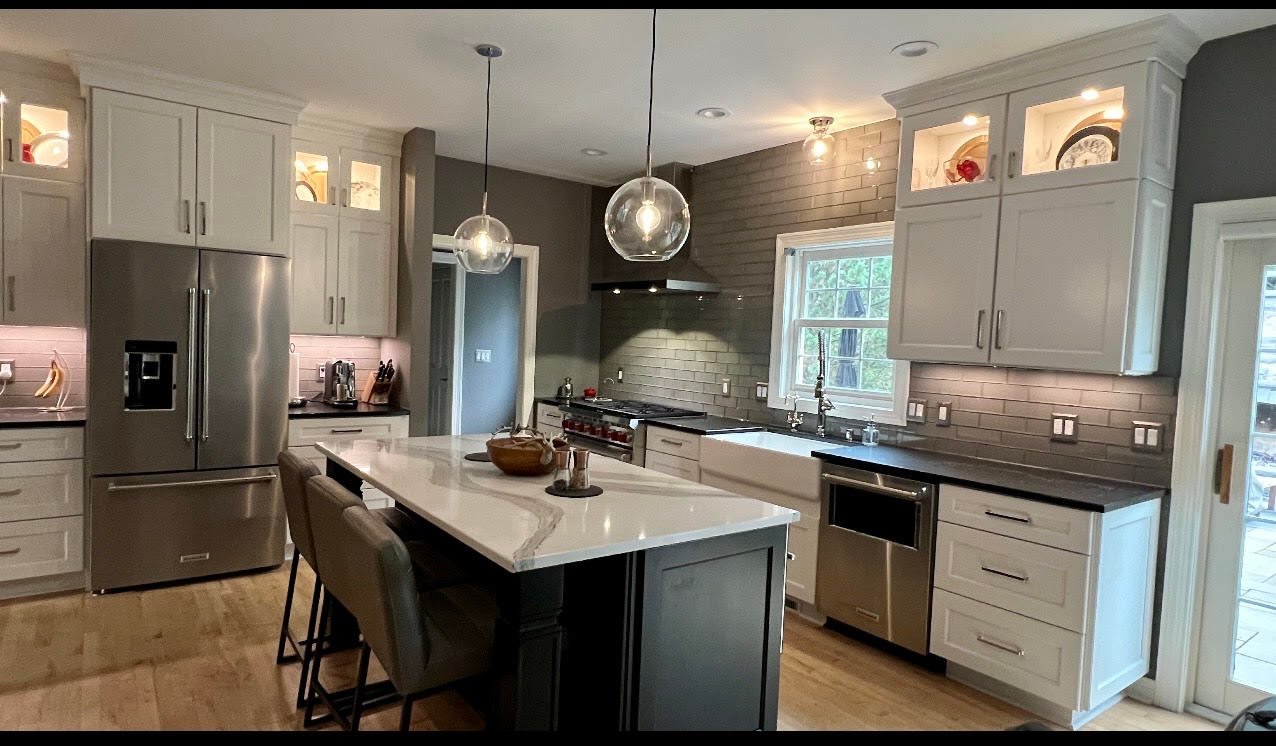 Kitchen - T&J
- Cabinets and countertops now, appliances later. Appliances are easy to add once the boxes are set.
- Structure and plumbing now, backsplash and lighting later. Cheap finishes wait; expensive rough-in doesn't.
- Everything but flooring now, flooring last. Flooring goes in near the end regardless, so deferring it rarely causes rework.
Don't tile a backsplash before you've locked in your countertop height and thickness. Change the counter later and the backsplash line no longer matches, which is a redo you'll pay for twice.
Phasing only works if your contractor plans the full scope up front so phase two doesn't undo phase one. On our projects, one point of contact runs the job's communication from start to finish, so when phase two starts you're not re-explaining scope to a new project manager. Smaller loans in year one can also improve your approval odds.
Wisconsin-Specific Programs, Tax Treatment, and Why Licensing Matters
A narrow slice of Wisconsin homeowners qualify for grant money. The USDA Rural Development program offers up to $10,000 for eligible home repairs in rural Central Wisconsin. Be clear on the limits: it's income-capped and available only in designated rural areas, which means it is not an option in Waukesha County or the Milwaukee metro. Check your address against the USDA eligibility map before you count on it.
On taxes, interest on a HELOC or home equity loan used to buy, build, or substantially improve your home may be deductible if you itemize, under IRS rules on home mortgage interest. Personal-loan interest generally is not. Wisconsin follows federal treatment for most mortgage-interest deductions. This is general information, not tax advice, so confirm with a CPA.
For the rest of us, Wisconsin homeowners in the Milwaukee metro benefit from competitive rates at local credit unions and regional lenders. A member with a strong deposit history can often beat a national lender's personal-loan rate through their own credit union, so it's worth a call before you commit.
One last trust point that affects your financing: lenders and appraisers both value work done by a licensed, insured contractor. In Wisconsin, remodelers are registered with the Department of Safety and Professional Services, and you can verify any contractor's credential through the DSPS license lookup. Financing a remodel from an unregistered handyman can create resale and appraisal problems down the road, so ask for the registration and proof of insurance before you sign anything.
A kitchen remodel that moves plumbing or adds circuits needs permits from your municipal building department under Wisconsin's Uniform Dwelling Code (SPS 320-325). Lenders don't require it, but your inspector and your resale value do.