 Addition project - T&J
What Does a Second Story Addition Cost in Wisconsin? (Quick Answer)
The per-square-foot number for building up, $300-$500/sqft, looks alarming next to Wisconsin's standard horizontal addition cost of about $106/sqft, and that gap is real, not contractor markup. A vertical addition removes your existing roof, reinforces the walls and foundation below to carry the new load, integrates a staircase, and protects your home from weather while it's open. A ground-floor addition skips every one of those steps.
For an 800-1,000 sqft floor, plan on $100,000-$300,000, with most mid-grade projects landing in the $150,000-$250,000 working range. Your final number depends on size, existing structural condition, finish level, and, critically, whether permits and design fees are written into the quote. They often aren't, which is exactly why two bids on the same house can read $40,000 apart.
Cost by Square Footage: What Size Are You Adding?
Picture a 1950s Brookfield ranch with a full basement and standard 2x4 framing. How much you'll spend comes down to how much floor you're stacking on top of it. Here's the size-based breakdown from current data:
| Square footage | Build cost range |
|---|---|
| 60 sqft (dormer) | $18,000-$30,000 |
| 100 sqft | $30,000-$50,000 |
| 200 sqft | $60,000-$100,000 |
| 300 sqft | $90,000-$150,000 |
| 400 sqft | $120,000-$200,000 |
| 800 sqft (full floor) | $80,000-$240,000 |
| 1,000 sqft (full floor) | $100,000-$300,000 |
 Addition - T&J
Building up costs $300-$500/sqft versus $80-$200/sqft for building out, a 2-4x premium per square foot.
Why the premium? Four things a ground-floor addition never touches. You're removing and rebuilding the roofline. You're reinforcing existing structure to carry a load it was never designed for. You're paying for temporary weather protection while the house sits open. And you're integrating a staircase into a finished first floor, which usually means giving up a closet or reworking a hallway. None of that is optional, and none of it shows up when you simply build outward onto a slab.
Want this priced for your addition?
John walks your space, measures it, and leaves a written itemized estimate. No cost, no obligation, no sales script.
What's Actually Inside That Quote? Line Items That Move the Number
This is where comparison shoppers get burned. Two bids can be $40,000 apart and the cheaper one isn't a deal, it's just missing pages. Here's what a complete second story scope includes, with the real numbers behind each line.
- Structural engineering / as-built drawings: $500-$2,000 for structural drawings, plus $700-$1,300 for as-built drawings if your home doesn't have them. Required before a single board goes up.
- Architect / design drawings: $2,400-$14,000 depending on complexity.
- Blueprint drawings alone: $800-$2,700.
- Framing: $4-$16/sqft.
- Roof removal and reinstallation: $4-$11/sqft, unique to building up.
- Interior finishes: $30-$300/sqft. This is the widest range and your biggest single wildcard.
- Labor: 40-60% of the total, roughly $28,000-$42,000 on a typical project.
- Permits and inspections: Should be line-itemed, tied to Wisconsin UDC SPS 321 compliance, which requires structural engineering sign-off, foundation load calculations, and a final inspection before occupancy, all non-negotiable steps that low bids often skip.
When two bids differ, lay them side by side line for line. The cheaper one is almost never cheaper labor, it's a missing line. Ask the low bidder to point to exactly where permits, structural drawings, and weather protection live in their number.
Red Flags in a Low Bid
A bid that comes in suspiciously low is usually leaving these off:
Permit fees and the time to pull them
, a real cost and a legal requirement.
Structural engineering drawings
, non-negotiable for a vertical add.
Temporary roof protection
during construction, materials and labor to keep weather out of an open house.
Staircase design and integration
into the existing floor plan.
HVAC extension
to the new floor, often a new zone or unit.
If a quote doesn't mention these, it's not a better price. It's an incomplete scope, and the difference surfaces as a mid-project change order, when you have the least leverage.
What Drives Your Quote Up, or Down
Six variables move a Wisconsin second story quote more than anything else.
Existing foundation and wall condition. Homes built before 1980 were often framed and footed for a single story. Adding a floor increases the load on every wall and footing below. We recently assessed a 1960s ranch in Elm Grove where the original 2x4 framing needed sister-joist reinforcement, a roughly $3,200 surprise that showed up in the structural drawings, not the initial walkthrough. The assessment that catches things like that costs $500-$2,000 in structural drawings up front, and it's cheaper to know before you sign than after the roof is off.
Roofline complexity. A simple gable comes off and goes back on cleaner than a hip or multi-pitch roof. More valleys, more cost.
Finish level. This is your single biggest lever. Interior finishes swing $30-$300/sqft, a basic bedroom-and-bath floor and a full luxury primary suite are different projects entirely.
HVAC extension. A new floor almost always needs an HVAC assessment, and frequently a new zone or unit to actually heat and cool the space.
Winter scheduling. Projects opened up in fall can require added weather protection through Wisconsin's cold months, real money in heat and tarping.
Permit timeline. Some Waukesha County municipalities (Elm Grove, Brookfield, New Berlin) review faster than others, ask your contractor for a local permit estimate specific to your city. Delays cost money, and a generic number is worth nothing here.
Building Up vs. Building Out: Which Makes More Sense for Your Property?
Quick gut check before you commit to going vertical. Building out runs $80-$200/sqft, needs available lot space, and involves simpler structural work. Building up runs $300-$500/sqft but changes nothing about your footprint, which is exactly why it wins on the tight lots common across older Waukesha County suburbs.
Your decision comes down to lot size, zoning setbacks, whether your existing foundation can carry the load, and any HOA rules. If you've got the yard and the setbacks, building out is usually cheaper per square foot. If you're hemmed in, up is the only way. If you're still weighing the whole project, our guide on whether adding on beats buying a bigger home is worth a read, and our overview of planning a home addition in Waukesha County covers both directions.
 Addition - T&J
How to Compare Quotes Without Getting Burned
The persona reading this is getting two or three bids and trying to figure out what "fair" looks like. Here's the honest answer: fair isn't the lowest number, it's the most complete scope at a defensible price. Ask every contractor you're quoting these six questions, and write the answers down.
Does your quote include permit pulling and fees?
If permits aren't in the number, they're coming later as your problem.
Who handles structural engineering, and are those drawings included?
On a vertical add, this is non-negotiable, someone has to calculate the load paths and stamp the drawings.
What's your plan for weather protection once the roof is off?
A real answer involves tarping, temporary framing, and a timeline. "We'll figure it out" is a red flag.
How are you extending HVAC to the new floor?
A new floor needs heat and cooling, ask whether that's a new zone, a new unit, or an existing-system tie-in.
What's your change-order process, how do you price surprises?
You want a written process and a markup you agree to up front, not a verbal "we'll be fair."
Are you a credited, licensed contractor in Wisconsin?
Only credentialed contractors can legally pull your permit, this question screens out a real risk in low-bid scenarios.
Now about the lowest-bid instinct. A bid that omits permits, structural drawings, and temporary protection can read $20,000-$40,000 cheaper on paper. It isn't. Those line items don't vanish, they show up later as change orders from that same contractor, or as separate contracts you end up managing yourself at the worst possible time.
The cheapest bid often becomes the most expensive project, because the missing line items get added back mid-build at no-leverage pricing, and you're stuck deciding between paying up or stopping with your house open to the weather.
On our jobs, John handles every project's communication directly, so when you ask one of those six questions, you're talking to the person who built the estimate, not a junior PM relaying answers. That's how scope stays honest from bid to final walkthrough.
Wisconsin Permits and Code: What You Need to Know Before You Start
Every second story addition in Wisconsin must comply with the Uniform Dwelling Code, UDC SPS 321, the state code governing one- and two-family dwelling construction, enforced through the Wisconsin Department of Safety and Professional Services. Permits are required, full stop, not a formality you can skip.
Each Waukesha County municipality, Brookfield, New Berlin, Elm Grove, runs its own building department with its own review timeline. For older homes, the department often wants as-built drawings ($700-$1,300 ) before issuing a permit, and structural drawings ($500-$2,000 ) are a separate requirement on top of that. Expect at least a footing/foundation inspection and a final occupancy inspection on a vertical add, standard checkpoints under the UDC.
In Wisconsin, only a credentialed contractor can legally pull a building permit for this work. T&J is a credited contractor in the state, John holds the credential, which matters because a low bidder who can't pull permits legally is a risk you don't find out about until inspection. The National Association of Home Builders flags unpermitted work as one of the top resale-killers for an addition.
Timeline: How Long Does a Second Story Addition Take in Wisconsin?
Plan on 5-8 months from signed contract to move-in for a well-managed full second story. Design and permitting typically runs 6-12 weeks, depending on how fast your municipality reviews and how complex the drawings are. Construction itself is 3-6 months for a full floor.
Wisconsin winters add wrinkles, work can continue cold-weather, but concrete curing and certain exterior tasks need extra measures, and spring starts generally run smoothest. Most delays trace back to permit backlogs, material lead times, or mid-project scope changes, all of which a real project manager flags early. Our own booking lead time typically runs 4-8 weeks depending on season, so the honest answer to "how fast can you start" depends on when you call.
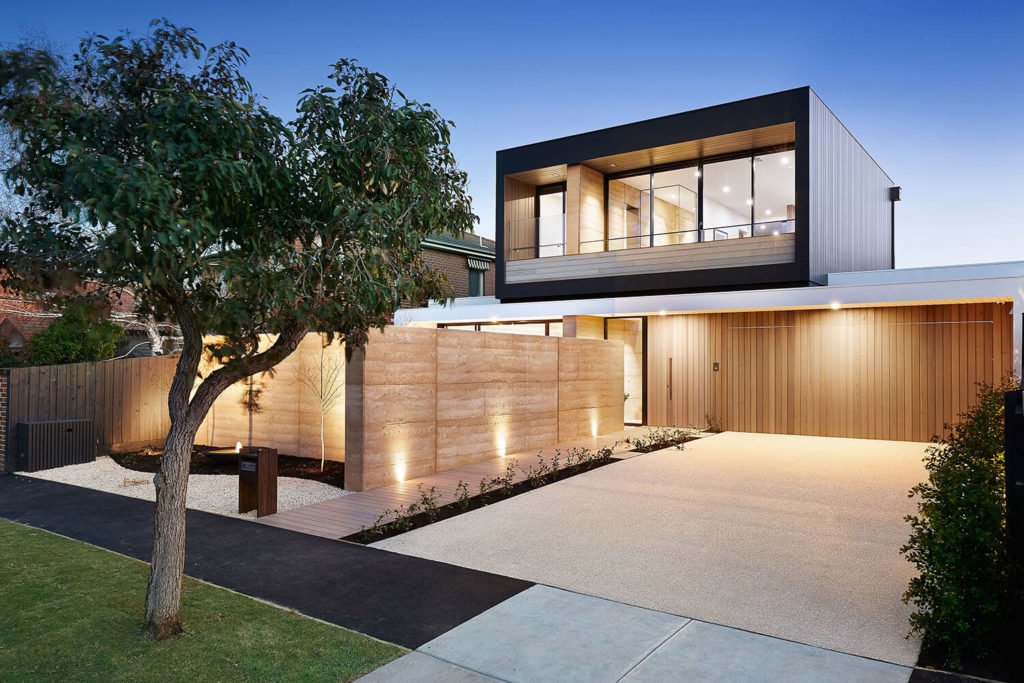 Addition - T&J
Ready to Get a Real Number for Your Wisconsin Home?
Here's the bottom line: most full-floor second story additions in Wisconsin run $100,000-$300,000, with mid-grade projects landing $150,000-$250,000. But that's a range, not your number. Your number is only real after a contractor walks your home and assesses the existing foundation and framing, everything above the structure is finishes you control, and everything below it is what your house can actually carry.
Want a starting ballpark before that visit? Run our home remodeling cost calculator in about 90 seconds, then book a free in-home consultation, no cost, no obligation. We're a father-son owned shop, and the owners are on every one of our home addition projects across Waukesha County. Call (262) 352-9525 to get started.
Frequently asked questions
How much does it cost to add a second story to a house in Wisconsin?
For most Wisconsin homeowners, a full second story addition runs $100,000-$300,000 depending on square footage, finish level, and the structural condition of the existing home. The national per-square-foot benchmark for building up is $300-$500/sqft, compared to $80-$200/sqft for a ground-floor addition, the premium exists because vertical additions require roofline removal, structural reinforcement, and temporary weather protection that horizontal additions never touch. A 1,000 sqft second floor at mid-grade finishes typically lands in the $150,000-$250,000 range, but the only reliable number comes after a contractor assesses your existing foundation and framing, because what your house can carry determines how much reinforcement, and cost, you're actually signing up for.
Why is adding a second story so much more expensive than a ground-floor addition?
Building up costs 2-4x more per square foot than building out because the scope is fundamentally different. First, you remove the existing roof and protect the open house from weather during construction, a cost that exists purely because the home is exposed. Second, you assess and often reinforce the existing walls and foundation, because adding a floor increases the load on structure that was sized for one story. Third, you integrate a staircase into a finished first floor, usually sacrificing a closet or hallway. The structural engineering alone, required before any vertical addition because Wisconsin code requires a stamped load calculation before a permit issues, adds $500-$2,000 in drawings before a single board is framed. None of these are optional; they're code requirements and structural necessities.
Do I need a permit to add a second story in Wisconsin?
Yes, without exception. All second story additions in Wisconsin must comply with the Uniform Dwelling Code (UDC SPS 321), which requires a building permit issued by your local municipality. The reason is structural and legal: the code mandates that someone verify the existing structure can carry the new load before construction begins, which is why architectural, structural, and often as-built drawings are part of the application. In Waukesha County, each municipality, Brookfield, New Berlin, Elm Grove, has its own building department and timeline. A licensed, credentialed contractor pulls the permits as part of scope; if a bid doesn't mention them, ask specifically. Unpermitted additions create title problems when you sell and can require expensive demolition or remediation, so skipping the permit isn't a shortcut, it's a liability that follows the house.
What's typically missing from a low second story addition bid?
Low bids most commonly omit permit fees and the time to pull them, structural engineering drawings, temporary roof protection during construction, staircase design and integration, HVAC extension for the new floor, and sometimes the architect's drawings entirely. Each of these is a real cost that surfaces mid-project, either as a change order from the original contractor or as a separate contract you have to manage yourself. The reason this works as a sales tactic is that homeowners compare the bottom-line number, not the line items, so the incomplete bid looks $20,000-$40,000 cheaper until those costs reappear. When comparing bids, ask each contractor to confirm in writing that their quote includes permits, structural drawings ($500-$2,000 ), and weather protection, the bid that looks cheaper often isn't.
How long does a second story addition take to complete in Wisconsin?
A realistic timeline is 5-8 months from signed contract to move-in. Design and permitting typically takes 6-12 weeks depending on the municipality's review speed and the complexity of the drawings, and construction runs 3-6 months for a full floor. The reason the range is wide is that Wisconsin winters add complexity, work can continue through cold months, but concrete curing and certain exterior tasks require additional measures like heating the work area, which slows the schedule. Projects that start in spring generally have the smoothest timelines. Delays most often come from permit review backlogs, material lead times, and scope changes mid-project, all of which a good project manager anticipates and communicates early, which is why the manager matters as much as the crew.
Can my existing foundation support a second story addition?
Maybe, and that's exactly why a structural assessment is the first step, not the last. Many Wisconsin homes built before 1980 have foundations and wall framing sized for a single story, and adding a second floor increases the load on every wall, beam, and footing below it. A structural engineer reviews the existing drawings (or creates as-built drawings if none exist) and determines whether reinforcement is needed; this assessment costs $500-$2,000 for the drawings alone and is non-negotiable for a permitted addition because Wisconsin code requires the load calculation before a permit issues. Skipping it, or hiring a contractor who doesn't require it, is how homeowners end up with structural problems years later. The assessment also protects you financially: if reinforcement is needed, you want that cost before you sign, not after the roof is off and you've lost all leverage.